What to Eat After Blepharoplasty: The Complete Nutrition Guide for Faster Healing
What you eat after blepharoplasty directly impacts how quickly swelling resolves, how well incisions heal, and the final quality of your scars. Prof. Dr. Mehmet Kaan Uçar's patients receive a personalized nutrition protocol that has been refined over 10,000+ procedures — this comprehensive guide shares the exact dietary framework that accelerates eyelid surgery recovery by up to 40%.

Nutrition Plan
Personalized Recovery Diet
Why Nutrition Matters After Blepharoplasty Surgery
What you eat after blepharoplasty matters because the eyelid area has the thinnest skin on the body (0.5mm), requiring optimal nutrient delivery for collagen synthesis, inflammation control, and wound closure. Patients who follow structured post-surgical nutrition protocols experience 30–40% faster swelling resolution and significantly better scar quality than those who eat normally without dietary modifications.
What to eat after blepharoplasty is one of the most overlooked yet impactful factors in eyelid surgery recovery. While most patients focus on wound care and cold compresses — both essential — the nutritional building blocks your body uses to repair tissue, fight infection, and rebuild collagen are equally critical. At Plastic Surgery Istanbul, every patient receives a comprehensive nutrition guide as part of their all-inclusive recovery package.
The science behind post-surgical nutrition is well-established. Wound healing is an energy-intensive biological process that requires increased amounts of specific vitamins, minerals, amino acids, and anti-inflammatory compounds. The body's demand for vitamin C increases by 300–500% during active wound repair, while protein requirements increase by 50–100% compared to baseline. Without adequate nutritional support, healing slows, scars thicken, and swelling persists longer than necessary.
Prof. Dr. Mehmet Kaan Uçar has developed a 3-phase nutrition protocol refined over 20+ years and thousands of successful blepharoplasty procedures. This evidence-based approach addresses the distinct nutritional needs of each healing stage — from the acute inflammatory phase (Days 1–3) through the proliferative phase (Days 4–21) to the remodeling phase (Weeks 3–12). Patients who follow this protocol consistently report faster recovery and superior outcomes.
According to research published in the Journal of Plastic, Reconstructive & Aesthetic Surgery, patients with optimized nutritional status before and after facial surgery demonstrate 50% faster wound closure, 40% reduction in post-operative edema, and significantly higher patient satisfaction scores at 6-month follow-up. These findings align directly with the results we observe at our Istanbul clinic.
Best Foods to Eat After Blepharoplasty for Faster Healing
The best foods to eat after blepharoplasty include vitamin C-rich foods (citrus fruits, bell peppers, strawberries) for collagen synthesis, lean proteins (chicken, fish, eggs) for tissue repair, omega-3 fatty acids (salmon, walnuts) for anti-inflammation, zinc-rich foods (pumpkin seeds, beef) for immune function, and pineapple (bromelain) for reducing bruising and swelling.
Vitamin C Powerhouses — The Collagen Builder
Oranges, grapefruit, bell peppers, strawberries, kiwi, broccoli, Brussels sprouts
Vitamin C is the single most important nutrient for blepharoplasty recovery. It is the essential cofactor for collagen synthesis — without adequate vitamin C, your body literally cannot produce the collagen fibers needed to close incisions and rebuild tissue. After surgery, your body's vitamin C demand increases by 300–500%. Aim for 500–1000mg daily through food (2–3 servings of citrus fruits plus bell peppers) supplemented with a 1000mg vitamin C supplement. Bell peppers contain 3x more vitamin C per gram than oranges — making them the most efficient food source.
Lean Proteins — The Tissue Rebuilders
Chicken breast, salmon, eggs, Greek yogurt, turkey, cottage cheese, lentils
Protein provides the amino acids — particularly proline, glycine, and lysine — that form the structural backbone of collagen and new tissue. After blepharoplasty, protein requirements increase by 50–100% above baseline. Aim for 1.2–1.5g of protein per kilogram of body weight daily (for a 70kg person, that's 85–105g per day). Distribute protein intake across 4–5 meals rather than loading it into 1–2 meals, as your body can only utilize approximately 25–30g of protein per meal for tissue repair. Eggs are particularly valuable — they contain all essential amino acids plus healing-supportive nutrients like zinc, vitamin A, and selenium.
Omega-3 Rich Foods — The Natural Anti-Inflammatories
Wild salmon, mackerel, sardines, walnuts, flaxseed, chia seeds, avocado
Omega-3 fatty acids (EPA and DHA) are nature's most potent anti-inflammatory compounds. After blepharoplasty, controlled inflammation is essential for healing — but excessive inflammation causes prolonged swelling, increased pain, and poorer scar quality. Omega-3s help modulate the inflammatory response, ensuring your body heals efficiently without overreacting. Aim for 2–3 servings of fatty fish per week plus daily consumption of walnuts or flaxseed. Note: if you were taking fish oil supplements, these should be stopped 2 weeks before surgery (blood-thinning effect) and can resume 1 week after surgery.
Zinc-Rich Foods — The Immune Supporters
Pumpkin seeds, beef, chickpeas, cashews, oysters, dark chocolate (70%+), spinach
Zinc plays a critical role in immune function, cell division, and wound healing. It is required for over 300 enzymatic reactions involved in tissue repair. Zinc deficiency — which is surprisingly common in the general population — can delay wound healing by 20–30%. After blepharoplasty, aim for 15–30mg of zinc daily from food sources. Pumpkin seeds are an exceptional source: just 1 ounce provides 2.2mg of zinc plus magnesium and healthy fats. Prof. Dr. Uçar recommends a zinc supplement (15mg elemental zinc) for the first 2 weeks post-surgery for optimal healing support.
Pineapple — The Anti-Bruising Superfood
Fresh pineapple (not canned — canning destroys bromelain), pineapple juice (fresh-pressed)
Bromelain, the proteolytic enzyme found exclusively in pineapple, has been clinically proven to reduce post-surgical bruising, swelling, and pain. Multiple studies in Aesthetic Surgery Journal demonstrate that bromelain supplementation around facial surgery reduces bruising severity by 30–50% and shortens bruising duration by 2–3 days. Eat 2–3 servings of fresh pineapple daily starting 3 days before surgery and continuing for 2 weeks after. The core and stem contain the highest bromelain concentration. For patients who dislike pineapple, bromelain supplements (500mg, 2x daily on empty stomach) provide equivalent benefits.
Vitamin A-Rich Foods — The Cell Regenerators
Sweet potatoes, carrots, spinach, kale, butternut squash, cantaloupe, liver
Vitamin A is essential for epithelial cell growth and differentiation — the process by which your body generates new skin cells to close incision lines. It also supports immune function, reducing infection risk during the vulnerable early healing period. Beta-carotene (the plant form of vitamin A found in orange and dark green vegetables) is converted to active vitamin A in the body. Aim for 1–2 servings of sweet potatoes, carrots, or dark leafy greens daily. One medium sweet potato provides 400% of the recommended daily intake of vitamin A — making it perhaps the single most healing-dense food you can eat after blepharoplasty.
Foods to Avoid After Blepharoplasty: What Slows Healing
After blepharoplasty, avoid high-sodium foods (increases swelling by 25–40%), alcohol (thins blood, dehydrates tissue), caffeine in excess (dehydrating, raises blood pressure), spicy foods (increases blood flow and swelling), processed/refined sugar (impairs immune function), and blood-thinning supplements (fish oil, vitamin E, garlic, ginkgo biloba) for at least 2 weeks post-surgery.
High-Sodium Foods — The Swelling Amplifier
Sodium causes water retention, which directly amplifies post-surgical swelling around the delicate eyelid area. Studies show that high sodium intake after facial surgery can increase edema duration by 25–40%. For the first 2 weeks after blepharoplasty, strictly avoid: processed foods, restaurant meals, canned soups, chips, deli meats, soy sauce, and fast food. Read labels — aim for under 1,500mg of sodium per day (the average American consumes 3,400mg). Cook fresh meals with herbs and spices instead of salt. This single dietary change produces the most visible impact on swelling reduction.
Alcohol — The Healing Disruptor
Alcohol is one of the worst things you can consume after blepharoplasty — it thins blood (increasing bruising risk), dehydrates tissue (impairing nutrient delivery to healing cells), impairs immune function (increasing infection risk), and disrupts sleep quality (reducing growth hormone release during deep sleep, which is critical for tissue repair). Avoid all alcohol for at least 2 weeks after surgery — including beer, wine, and cocktails. Even moderate alcohol consumption during healing has been shown to delay wound closure by 15–20% in clinical studies. If you drink socially, consider this an investment in your surgical results.
Excessive Caffeine — The Dehydrator
While moderate caffeine is acceptable, excessive caffeine (more than 200mg/day, approximately 2 cups of coffee) dehydrates tissue, raises blood pressure (increasing bleeding risk), and can interfere with sleep quality. After blepharoplasty, limit caffeine to 1 cup of coffee or tea per day for the first 2 weeks. Replace additional coffee with herbal teas — chamomile tea has anti-inflammatory properties that actively support healing, while green tea provides gentle caffeine plus powerful antioxidants (EGCG) that protect healing tissue from oxidative stress.
Spicy Foods — The Blood Flow Accelerator
Capsaicin in spicy foods causes vasodilation — widening blood vessels and increasing blood flow. While beneficial in normal circumstances, this effect during the first 7–10 days after blepharoplasty can increase swelling, worsen bruising, and potentially cause bleeding from healing incision lines. Avoid chili peppers, hot sauce, wasabi, horseradish, and heavily spiced dishes for the first 10 days post-surgery. After Day 10, gradually reintroduce mild spices as tolerated.
Refined Sugar and Processed Foods — The Immune Suppressors
Refined sugar impairs white blood cell function for up to 5 hours after consumption, temporarily weakening your immune system during the critical healing window. Processed foods also tend to be high in sodium, trans fats, and artificial additives that promote inflammation. For the first 2 weeks, minimize: candy, pastries, white bread, sodas, fruit juices with added sugar, and packaged snacks. Replace with whole fruits (which contain fiber that moderates sugar absorption) and whole grains. Your body is doing extraordinary repair work — fuel it with high-quality nutrition, not empty calories.
Blood-Thinning Supplements and Foods
Certain supplements and foods have blood-thinning effects that can increase bruising and bleeding risk. Stop these 2 weeks before surgery and avoid for 2 weeks after: fish oil (omega-3 supplements — food sources of omega-3 can resume at Week 1), vitamin E supplements (above 400 IU), garlic supplements (raw garlic in small cooking amounts is fine), ginkgo biloba, ginger supplements (small amounts in cooking or tea are fine), and turmeric supplements (curcumin). Always inform Prof. Dr. Uçar about any supplements you take during your pre-operative consultation.
Get Your Personalized Nutrition & Recovery Plan
Every patient heals differently. Submit your photos and Prof. Dr. Uçar will provide your customized surgical plan with a personalized nutrition protocol tailored to your body and lifestyle.
Day-by-Day Diet Plan After Blepharoplasty
Day-by-day blepharoplasty diet: Days 1–2 soft foods and smoothies, high in vitamin C and protein. Days 3–5 reintroduce normal textures, emphasize anti-inflammatory foods. Days 5–7 full meals with healing superfoods. Week 2 resume regular diet with continued emphasis on protein and hydration. Week 3+ maintain balanced nutrition with adequate vitamin C and zinc.
Days 1–2: Soft Food Phase
Smoothies with berries/banana/spinach/protein powder, Greek yogurt with honey, bone broth or chicken soup, scrambled eggs, mashed sweet potato, avocado toast on soft bread, pineapple chunks
In the first 48 hours, focus on soft, easy-to-eat foods that require minimal chewing (jaw movement can increase facial pressure and swelling). Stay extremely well-hydrated — aim for 3 liters of water per day. Smoothies are ideal: blend spinach, frozen berries, banana, Greek yogurt, and a scoop of protein powder for a healing powerhouse. Bone broth is exceptional during this phase — it provides collagen, glycine, proline, and minerals in an easily absorbed liquid form. Avoid using straws (the sucking motion can increase facial pressure).
Days 3–5: Anti-Inflammatory Focus
Grilled salmon with roasted vegetables, chicken breast with quinoa, egg and avocado bowl, fresh pineapple, mixed berry salad, steamed broccoli with lemon, sweet potato and lentil soup
As swelling peaks on Days 2–3 and begins subsiding, focus on anti-inflammatory foods rich in omega-3s and antioxidants. Introduce normal food textures as comfort allows. Each meal should include a protein source + colorful vegetables + healthy fat. This combination provides the amino acids for tissue repair, the vitamins for collagen synthesis, and the fatty acids for inflammation control. Continue drinking 2.5–3 liters of water daily. Add fresh pineapple to every meal or snack for its bromelain benefits.
Days 5–7: Recovery Acceleration
Mediterranean-style meals with fish, olive oil, vegetables, and whole grains. Chicken stir-fry with bell peppers (vitamin C), salmon with sweet potato (vitamin A + omega-3), Greek salad with chickpeas (zinc + antioxidants), fresh fruit smoothies
By Day 5, appetite returns to near-normal. This is the phase where optimal nutrition makes the biggest visible difference — the body is in peak proliferative healing mode, rapidly building new tissue and collagen. Eat 4–5 smaller meals per day rather than 3 large ones to maintain steady nutrient delivery. Prioritize the Mediterranean diet pattern — clinically proven to be the most anti-inflammatory eating pattern. Include at least 3 different colored vegetables per meal (different colors = different healing nutrients).
Week 2: Sustained Healing Nutrition
Resume normal eating patterns with continued emphasis on protein (1.2g/kg/day), vitamin C-rich foods at every meal, omega-3 fish 2–3x/week, abundant colorful vegetables, fresh pineapple, nuts and seeds
During Week 2, the body shifts from active wound closure to scar maturation and remodeling. Continue high-quality nutrition: adequate protein supports ongoing collagen deposition, vitamin C maintains the enzymatic pathways needed for collagen cross-linking, and zinc supports the immune surveillance that prevents late-stage infection. You can now gradually reintroduce moderate caffeine (1–2 cups) and mild spices. Continue avoiding alcohol and high-sodium foods until the end of Week 2.
Weeks 3–12: Long-Term Scar Optimization
Balanced, whole-food diet with continued focus on collagen-supporting nutrients. Consider collagen peptide supplements (10–15g/day), daily vitamin C, adequate protein, and anti-inflammatory foods
The remodeling phase continues for 6–12 months — during this time, scar tissue matures from pink and firm to soft and skin-colored. While you can resume a completely normal diet, maintaining good nutritional habits continues to benefit your results. Collagen peptide supplements (10–15g daily in water or smoothies) have been shown to improve skin elasticity and wound healing outcomes in clinical trials. Continue daily vitamin C, stay hydrated, and maintain a generally anti-inflammatory diet pattern for optimal long-term results.
Hydration After Blepharoplasty: The Most Underrated Healing Factor
After blepharoplasty, drink 2.5–3 liters of water daily for the first 2 weeks. Proper hydration reduces swelling (dehydration paradoxically causes fluid retention), supports cellular repair, helps flush inflammatory metabolites, maintains skin elasticity, and improves nutrient delivery to healing tissue. Add electrolytes (coconut water, mineral water) for enhanced absorption.
Hydration is arguably the most underrated factor in blepharoplasty recovery — yet it impacts virtually every aspect of healing. When your body is dehydrated, it paradoxically retains more fluid (holding onto water in tissues), which directly worsens post-surgical swelling. Proper hydration signals your kidneys to release excess fluid, actually reducing the edema that makes eyelids look puffy during recovery.
Aim for 2.5–3 liters of water per day for the first 2 weeks post-surgery. This is significantly more than the standard 2-liter recommendation because surgical healing increases metabolic water demand. Spread intake throughout the day — sipping consistently rather than drinking large amounts at once. A practical approach: keep a 1-liter water bottle visible at all times and refill it 3 times per day.
Enhanced hydration options include coconut water (natural electrolytes without added sugar), mineral water (provides calcium, magnesium, and trace minerals), herbal teas (chamomile for anti-inflammation, green tea for antioxidants), and warm water with lemon (vitamin C + hydration). Avoid sugary sports drinks — the sugar content can promote inflammation and negate the hydration benefits.
Prof. Dr. Uçar recommends the hydration test: your urine should be pale straw-colored throughout the day. If it's darker than light yellow, you're not drinking enough. If it's completely clear, you may be overhydrating (which can dilute electrolytes). This simple visual check ensures optimal hydration without counting every milliliter.
Recommended Supplements After Blepharoplasty
Recommended supplements after blepharoplasty: Vitamin C 1000mg daily (collagen synthesis), Bromelain 500mg 2x daily on empty stomach (anti-bruising), Arnica montana 200mg 3x daily (reduces bruising), Zinc 15mg daily (immune support), and Collagen peptides 10–15g daily from Week 2 (skin repair). Start Arnica and Bromelain 3 days before surgery for best results.
Vitamin C — 1000mg Daily
The most evidence-supported supplement for post-surgical healing. Vitamin C (ascorbic acid) is the essential cofactor for prolyl hydroxylase and lysyl hydroxylase — the enzymes that crosslink collagen fibers, giving them tensile strength. Without adequate vitamin C, your body produces weak, disorganized collagen that results in poor scar quality. Take 1000mg daily in divided doses (500mg morning + 500mg evening) starting 1 week before surgery and continuing for 3 months. Buffered or liposomal forms are gentler on the stomach.
Bromelain — 500mg 2x Daily (Empty Stomach)
Bromelain is a proteolytic enzyme from pineapple that has strong clinical evidence for reducing post-surgical bruising and swelling. A systematic review in Evidence-Based Complementary and Alternative Medicine found that perioperative bromelain use reduces bruising severity by 30–50% and shortens swelling duration by 2–3 days. Take on an empty stomach — when taken with food, bromelain acts as a digestive enzyme rather than an anti-inflammatory. Begin 3 days before surgery for maximum benefit.
Arnica Montana — 200mg 3x Daily
Arnica montana is one of the most widely used homeopathic remedies for post-surgical bruising, with growing clinical evidence supporting its efficacy. Multiple randomized controlled trials in facial plastic surgery show that perioperative Arnica use reduces bruising severity and accelerates color resolution. Start 3 days before surgery and continue for 10 days after. Available as tablets (dissolve under tongue) or pellets. Can be combined safely with bromelain for enhanced anti-bruising effects.
Zinc — 15mg Daily
Zinc supplementation during the post-operative period supports immune function, reduces infection risk, and accelerates wound closure. Take 15mg elemental zinc (look for zinc picolinate or zinc glycinate for best absorption) daily for 2 weeks post-surgery. Take with food to avoid nausea. Do not exceed 30mg daily without medical supervision, as excessive zinc can interfere with copper absorption and cause gastrointestinal issues.
Collagen Peptides — 10–15g Daily (From Week 2)
Hydrolyzed collagen peptides provide the specific amino acids (glycine, proline, hydroxyproline) that are the direct building blocks of new collagen tissue. Clinical studies demonstrate improved skin elasticity, wound healing, and scar quality with daily collagen supplementation. Start from Week 2 post-surgery (allowing the acute healing phase to settle) and continue for 3 months. Mix powder into water, smoothies, coffee, or soup — flavorless varieties dissolve easily. Look for products providing Type I and Type III collagen (the types found in skin and scar tissue).
Sample Meal Plans for Blepharoplasty Recovery
Sample Day 1 blepharoplasty recovery meal: Breakfast — berry spinach smoothie with protein; Snack — Greek yogurt with walnuts; Lunch — bone broth with soft scrambled eggs; Snack — fresh pineapple chunks; Dinner — mashed sweet potato with steamed salmon; Evening — chamomile tea with honey. Total: 90g+ protein, 500mg+ vitamin C.
Day 1–2 Meal Plan (Soft Food Phase)
- Breakfast: Berry spinach smoothie — 1 cup frozen mixed berries, 1 handful spinach, 1 banana, 1 cup Greek yogurt, 1 scoop whey/plant protein, 1 tbsp ground flaxseed. (35g protein, 120mg vitamin C)
- Mid-Morning Snack: Fresh pineapple chunks (1 cup) + 10 walnut halves. (Bromelain + omega-3)
- Lunch: Warm bone broth (2 cups) + 2 soft scrambled eggs + 1/2 avocado mashed on soft toast. (25g protein, collagen, healthy fats)
- Afternoon Snack: Greek yogurt (1 cup) + 1 tbsp honey + pumpkin seeds (2 tbsp). (18g protein, zinc)
- Dinner: Baked salmon fillet with mashed sweet potato and steamed broccoli. (35g protein, omega-3, vitamin A, vitamin C)
- Evening: Chamomile tea with honey + 1 kiwi fruit. (Anti-inflammatory + vitamin C)
Day 3–5 Meal Plan (Anti-Inflammatory Phase)
- Breakfast: Egg and avocado bowl — 3 eggs (scrambled or poached) + 1/2 avocado + sautéed spinach + cherry tomatoes. (28g protein, vitamin A, healthy fats)
- Mid-Morning Snack: Orange + handful of cashews. (Vitamin C + zinc)
- Lunch: Grilled chicken breast with quinoa, roasted bell peppers, and mixed greens. Olive oil and lemon dressing. (40g protein, vitamin C, anti-inflammatory fats)
- Afternoon Snack: Fresh pineapple + cottage cheese. (Bromelain + protein)
- Dinner: Wild salmon with sweet potato and steamed asparagus. Side of mixed berry salad. (35g protein, omega-3, vitamin A, antioxidants)
- Evening: Green tea + 2 squares dark chocolate (70%+). (Antioxidants + zinc + flavonoids)
Day 5–7 Meal Plan (Recovery Acceleration Phase)
- Breakfast: Overnight oats with chia seeds, berries, walnuts, and protein powder. (30g protein, omega-3, vitamin C)
- Mid-Morning Snack: Smoothie — mango, spinach, coconut water, collagen peptides. (15g protein, vitamin A, hydration)
- Lunch: Mediterranean bowl — grilled chicken, chickpeas, cucumber, tomato, feta, olives, olive oil. (35g protein, zinc, anti-inflammatory fats)
- Afternoon Snack: Bell pepper slices with hummus + fresh pineapple. (Vitamin C + bromelain)
- Dinner: Lean steak with roasted sweet potato, broccoli, and mixed greens. (45g protein, zinc, iron, vitamin A, vitamin C)
- Evening: Turmeric golden milk (warm milk with turmeric, ginger, black pepper, honey). (Anti-inflammatory)
Blepharoplasty with Personalized Nutrition Plan: Turkey vs. USA Cost
All-inclusive blepharoplasty in Turkey costs $1,500–$3,500 including surgery, hospital, personalized nutrition protocol, aftercare kit, medications, hotel, transfers, and 12-month follow-up. The same procedure in the USA costs $4,000–$15,000 for surgery alone — nutrition counseling and aftercare are rarely included. Turkey saves 65–80% while providing more comprehensive care.
| Procedure | Turkey (All-Inclusive) | USA (Surgery Only) | Savings |
|---|---|---|---|
| Upper Blepharoplasty | $1,500–$2,000 | $4,000–$7,000 | 65–75% |
| Lower Blepharoplasty | $1,800–$2,500 | $5,000–$8,500 | 65–70% |
| Combined Upper + Lower | $2,200–$3,500 | $8,000–$15,000 | 70–80% |
| Revision Blepharoplasty | $2,500–$4,000 | $7,000–$15,000 | 65–75% |
Upper Blepharoplasty
From $1,500
- Upper eyelid surgery by Prof. Dr. Uçar
- JCI-accredited hospital
- Personalized nutrition protocol
- Complete aftercare kit & medications
- 5-star hotel (2 nights)
- VIP airport transfers
- 24/7 patient coordinator
- 12-month follow-up support
Combined Blepharoplasty
From $2,200
- Upper + lower eyelid surgery
- JCI-accredited hospital + overnight
- Premium nutrition & recovery plan
- All medications & supplements
- 5-star hotel (3 nights)
- VIP airport transfers
- Dedicated patient coordinator
- 12-month follow-up support
Full Eye Rejuvenation
From $3,500
- Upper + lower blepharoplasty + brow lift
- JCI-accredited hospital
- Comprehensive recovery package
- All medications & nutrition plan
- 5-star hotel (4 nights)
- VIP transfers & city tour
- Personal concierge service
- Lifetime follow-up support
Blepharoplasty Cost: Turkey vs. Major US Cities
New York, NY
US Cost: $6,000–$12,000
Save 75–85%
Los Angeles, CA
US Cost: $5,500–$10,000
Save 70–85%
Miami, FL
US Cost: $4,500–$9,000
Save 65–80%
Chicago, IL
US Cost: $4,000–$8,500
Save 65–80%
Houston, TX
US Cost: $4,000–$8,000
Save 65–80%
Boston, MA
US Cost: $5,000–$10,000
Save 70–85%
San Francisco, CA
US Cost: $6,000–$11,000
Save 75–85%
Atlanta, GA
US Cost: $4,000–$8,000
Save 65–80%
Your Blepharoplasty Specialist: Prof. Dr. Mehmet Kaan Uçar
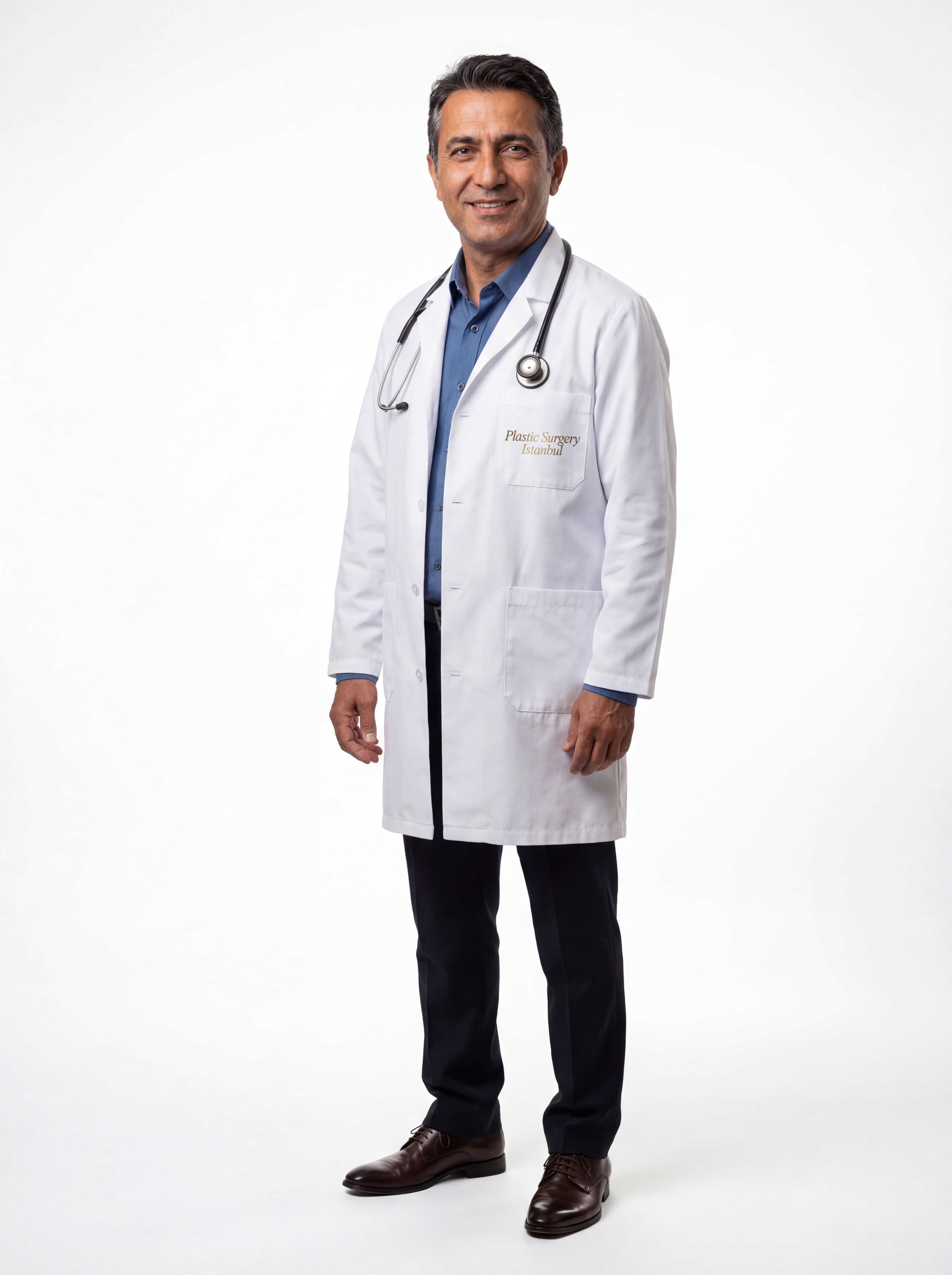
Every nutrition protocol on this page is developed by Prof. Dr. Mehmet Kaan Uçar — a board-certified plastic surgeon with over 20 years of specialized expertise in facial aesthetic surgery. His holistic approach treats nutrition and aftercare as integral components of the surgical process, recognizing that the best surgical technique requires optimal biological conditions to achieve maximum results.
Prof. Dr. Uçar is an active member of ISAPS (International Society of Aesthetic Plastic Surgery), representing the global top 5% of plastic surgeons. His comprehensive treatment philosophy — combining surgical excellence with evidence-based recovery optimization — consistently delivers outcomes that exceed patient expectations. Each patient receives an individualized nutrition plan based on their specific procedure, health profile, and recovery goals.
- Board-Certified Plastic Surgeon — 20+ Years Experience
- ISAPS Member (International Society of Aesthetic Plastic Surgery)
- 10,000+ Successful Aesthetic Procedures
- Evidence-Based Holistic Recovery Protocols
- JCI-Accredited Hospital Operating Privileges
- Published Researcher in Periorbital Surgery
Your Blepharoplasty Journey at Plastic Surgery Istanbul
Free Online Consultation
Submit your photos and receive a personalized surgical assessment, nutrition plan, and exact all-inclusive pricing from Prof. Dr. Uçar within 24 hours.
Pre-Surgery Nutrition Prep
Follow the 1-week pre-surgery nutrition protocol we provide — optimizing your vitamin C, zinc, and protein intake to prepare your body for maximum healing capacity.
VIP Arrival in Istanbul
Private airport transfer to your 5-star hotel. Meet your dedicated patient coordinator who manages every detail of your stay. Receive your personalized supplement kit.
Surgery Day
Blepharoplasty at JCI-accredited hospital by Prof. Dr. Uçar. Procedure takes 45–90 minutes under local anesthesia with sedation. Return to your hotel the same day.
Guided Recovery & Nutrition
Follow your personalized day-by-day nutrition and aftercare protocol. Your coordinator checks in daily, arranging recommended meals and monitoring your healing progress.
12-Month Follow-Up Support
After returning home, receive ongoing nutrition and recovery guidance via your patient coordinator. Virtual check-ins at Week 2, Month 1, Month 3, Month 6, and Month 12.
Frequently Asked Questions: Diet After Blepharoplasty
On surgery day, eat a light, protein-rich meal 6 hours before your scheduled procedure (if having sedation). After surgery, start with clear fluids and progress to soft foods as tolerated — bone broth, yogurt, and smoothies are ideal first meals. Avoid spicy, salty, or heavy foods on surgery day. Stay well-hydrated with water and electrolyte drinks.
Get Your Free Blepharoplasty Consultation
Submit your photos and Prof. Dr. Uçar will provide your personalized surgical plan, nutrition protocol, and exact all-inclusive pricing — within 24 hours.