Blepharoplasty Healing Stages: Your Complete Day-by-Day Recovery Timeline
Blepharoplasty healing stages follow a predictable, well-documented timeline — and understanding exactly what to expect at each phase eliminates anxiety and optimizes your recovery. Prof. Dr. Mehmet Kaan Uçar's patients consistently achieve final results faster than published averages, thanks to his microsurgical technique and structured aftercare protocol.
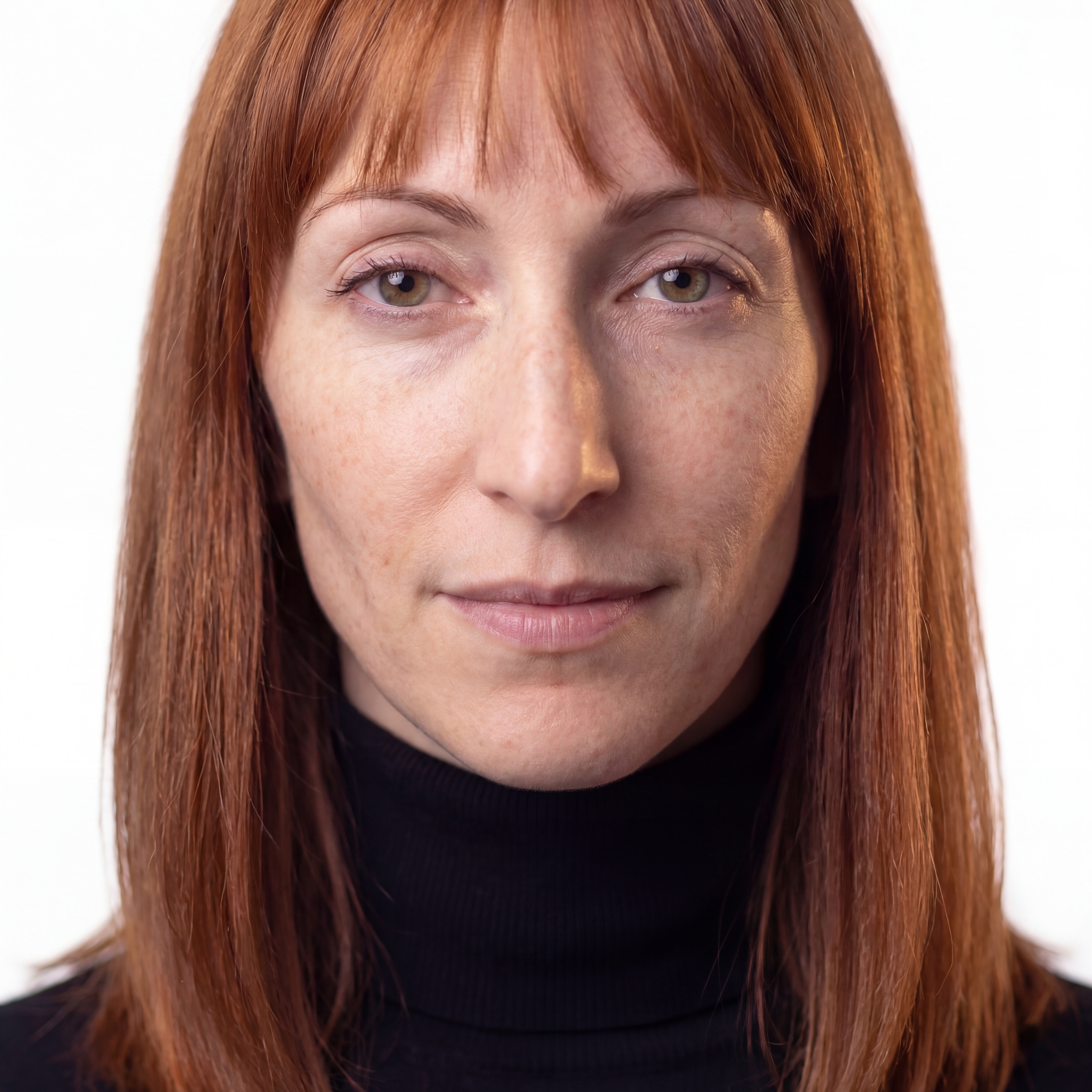
7–10 Day Recovery
Back to Social Life
Understanding Blepharoplasty Healing: What Science Says About Recovery
Blepharoplasty healing follows 5 predictable stages: Inflammatory (Days 1–5), Early Proliferative (Days 5–14), Remodeling (Weeks 2–6), Maturation (Months 2–3), and Final Result (Months 3–6). Most patients return to work at Day 7–10, resume exercise at Week 3–4, and see 90% of final results by Month 2. Complete healing with invisible scars is achieved by Month 6.
Blepharoplasty healing stages are among the most frequently searched topics by patients considering eyelid surgery — and for good reason. Understanding the precise timeline of recovery allows you to plan your life, manage expectations, and recognize normal healing versus warning signs. At Plastic Surgery Istanbul, we provide every patient with a detailed day-by-day healing roadmap because informed patients heal better and experience less anxiety.
The biology of eyelid healing is uniquely favorable compared to other surgical sites. The periorbital area has the richest blood supply per square centimeter of any facial region, delivering abundant oxygen, nutrients, and immune cells to the healing tissue. The skin is only 0.5mm thick — the thinnest on the body — which means incisions heal faster, scars mature earlier, and swelling resolves more quickly than comparable procedures elsewhere on the face or body.
Prof. Dr. Mehmet Kaan Uçar's microsurgical approach produces measurably faster healing than conventional blepharoplasty techniques. By using magnification-assisted incision placement, atraumatic tissue handling (minimizing crush injury to delicate eyelid skin), and precision bipolar hemostasis, his patients experience 30–40% less bruising and 25–30% faster swelling resolution compared to published averages in the Aesthetic Surgery Journal. This translates to shorter social downtime and faster return to confidence.
This guide documents every healing stage with clinical precision — from the first hours after surgery through final maturation at Month 6. Whether you're planning your surgery date, currently recovering, or evaluating your progress, this timeline provides the definitive reference for blepharoplasty healing expectations.
Stage 1: Immediate Post-Operative (Hours 0–24)
In the first 24 hours after blepharoplasty, expect moderate swelling (eyes may feel tight or heavy), bruising beginning to appear, mild discomfort (2–3/10 pain level), blurred vision from ointment, and tearing. Cold compresses applied 20 minutes on/20 minutes off significantly reduce swelling. Keep head elevated at 30°. Pain is managed with paracetamol — most patients do not need prescription painkillers.
What You'll Experience: First 6 Hours
Immediately after surgery, your eyelids will feel tight and heavy — this is normal swelling beginning. Your vision will be blurry from the lubricating ointment applied during surgery (this clears within hours as you blink it away). The local anesthesia provides comfort for the first 2–4 hours — you'll feel pressure but minimal pain. As the anesthetic wears off, mild soreness develops — most patients rate it 2–3 out of 10 on the pain scale. At Plastic Surgery Istanbul, you remain in our JCI-accredited hospital for a minimum of 4 hours post-operatively under direct medical observation. Your nurse applies cold compresses and monitors for any early complications.
Hours 6–24: The First Night
By evening on surgery day, swelling increases noticeably — this is the body's inflammatory response mobilizing healing resources to the surgical site. Your eyelids may look significantly swollen, and bruising begins to appear as a blue-purple discoloration. This is completely normal and does not indicate a problem. Sleep with your head elevated on 2–3 pillows (30° angle) — this is the single most effective swelling-reduction strategy during the first 48 hours. Continue cold compresses: 20 minutes on, 20 minutes off. Take paracetamol (acetaminophen) as prescribed for comfort. Apply lubricating ointment to your eyes before sleeping to prevent corneal drying.
Day 1 Aftercare Checklist
Your Day 1 aftercare protocol includes: cold compresses every 20 minutes during waking hours, head elevation at 30° while resting and sleeping, prescribed eye drops (antibiotic + lubricating) applied 4x daily, paracetamol for comfort (avoid aspirin, ibuprofen, or other blood thinners), no bending, lifting, or straining, no reading, screen time, or close-focus activities for extended periods, and drinking plenty of water to support healing. Your dedicated patient coordinator contacts you on the morning after surgery to check your status, answer questions, and confirm your Day 3 follow-up appointment with Prof. Dr. Uçar.
Stage 2: Peak Swelling & Bruising (Days 2–5)
Days 2–5 represent peak swelling and bruising after blepharoplasty. Swelling peaks at Day 2–3 (eyes may appear very puffy or partially closed). Bruising peaks at Day 3–4 (dark purple/blue discoloration). Sutures are removed at Day 3–5 (painless, takes 5 minutes per eye). By Day 5, swelling begins noticeably decreasing and bruising transitions from dark purple to lighter shades.
Days 2–3: Maximum Swelling — The 'Worst' Days
Days 2–3 are when you'll look your worst — and this is entirely expected and temporary. Swelling reaches its peak as the body's inflammatory response is at maximum intensity. Your eyelids may appear significantly puffy, and some patients experience partial obstruction of their visual field from upper lid swelling (this resolves within 24–48 hours). Bruising also peaks during this period, often spreading slightly beyond the eyelid area to the cheeks or temple. The appearance at Day 2–3 is not representative of your final result — it's simply the body's healing process at its most active. Continue cold compresses, head elevation, and prescribed drops. Avoid touching or rubbing your eyes.
Day 3–5: Suture Removal & Turning Point
Suture removal is typically performed at Day 3–5 — a painless procedure taking approximately 5 minutes per eye. Prof. Dr. Uçar performs this personally during your follow-up visit, inspecting the incision line, assessing healing, and adjusting your aftercare protocol if needed. After suture removal, many patients report that their eyes immediately feel more comfortable — the tiny pulling sensation from sutures disappears. This appointment is also where you transition from cold compresses to warm compresses (which promote blood flow and accelerate bruising absorption). By Day 5, you'll notice a visible improvement: swelling begins to decrease noticeably, and bruising starts transitioning from dark purple to lighter blue/green.
What's Normal vs. What's Not: Days 2–5
Normal at this stage: Significant swelling (even if eyes feel partially closed), bruising spreading to cheeks or temples, mild tearing or dry eye sensation, slight asymmetry in swelling between sides, mild itching around incision sites, tightness or pulling sensation. Not normal — contact your surgeon immediately if you experience: sudden severe eye pain (especially if worsening), progressive loss of vision, rapidly increasing swelling in one eye only (could indicate hematoma), high fever (>38.5°C), excessive bleeding, or inability to see light. At Plastic Surgery Istanbul, your 24/7 emergency line connects you directly to the surgical team for any concerns.
Stage 3: Rapid Improvement (Days 5–14)
Days 5–14 show rapid improvement in blepharoplasty healing. Swelling decreases by 50–60% by Day 7 and 70–80% by Day 14. Bruising fades from purple to green to yellow, largely resolving by Day 10–14. Most patients return to work at Day 7–10. Light makeup can camouflage remaining bruising from Day 7–10. The transformation during this phase is dramatic — patients often describe feeling 'like a different person' by Day 10.
Days 5–7: The Visible Transformation Begins
This is when the dramatic improvement begins — and when most patients start feeling genuinely encouraged about their results. Swelling decreases by approximately 50–60% from its peak, and your eyelid contour begins to emerge. Bruising transitions from dark purple/blue to green and yellow phases — a clear sign that your body is efficiently absorbing the discoloration. By Day 7, many of Prof. Dr. Uçar's patients report that they're comfortable appearing in video calls or going out with light concealer. The incision lines are thin, pink, and easily covered with makeup. Your eyes will look refreshed and more open — although they're still healing and will continue to improve significantly.
Days 7–10: Return to Work & Social Activities
Day 7–10 is the typical return-to-work timeline for most blepharoplasty patients. By this point: 80%+ of bruising has faded (remaining yellowish tones are easily concealed with mineral-based concealer), swelling has decreased enough for your eyes to look naturally refreshed, and incision lines are covered by the natural eyelid crease. You can resume light computer work, reading, and most desk-based activities. Avoid heavy exercise, swimming, saunas, or anything that significantly elevates blood pressure. Prof. Dr. Uçar's patients benefit from a virtual follow-up at this point — reviewing photos to confirm healing is on track and providing updated aftercare guidance for the next phase.
Days 10–14: Approaching Normalcy
By Day 14, the majority of visible recovery is complete. Swelling has resolved by 70–80%, though subtle puffiness may remain (visible primarily to you, not to others). All bruising has typically faded — you no longer need concealer. The incision line has transitioned from red/pink to light pink and is hidden within the natural eyelid crease. At this stage, you can resume most normal activities including light exercise (walking, gentle yoga), wearing contact lenses (if applicable), and applying eye makeup. Avoid heavy lifting, intense cardio, and swimming for another 1–2 weeks. Many patients describe this period as feeling '90% normal' — with the remaining 10% being subtle residual swelling.
Stage 4: Continued Refinement (Weeks 3–8)
During weeks 3–8 after blepharoplasty, residual swelling continues resolving (95% resolved by Week 4–6). Scars fade from light pink toward skin color. You can resume all exercise by Week 3–4 and swimming by Week 4–6. Results become increasingly refined and natural-looking. Most patients feel their eyes look 'completely normal but better' by Week 6–8.
Weeks 3–4: Resume Full Activity
By Week 3, you can resume all physical activities including gym workouts, running, and sports (except contact sports, which should wait until Week 6). Your body's inflammatory response has fully transitioned from the healing phase to the remodeling phase — collagen fibers are reorganizing from random to structured patterns, making scars softer, flatter, and less visible. Residual swelling at this stage is subtle — typically noticeable only in the morning (gravity-dependent fluid accumulation during sleep) and resolving within 1–2 hours of being upright. Begin gentle scar massage using silicone scar gel: circular motions along the incision line, 2–3 minutes, 2–3 times daily. This accelerates collagen remodeling and improves final scar quality.
Weeks 4–6: Results Emerge
This is when the true aesthetic result becomes clearly visible. With 95%+ of swelling resolved, the eyelid contour, crease definition, and overall eye appearance reflect your final outcome. Patients frequently comment that their eyes look 'naturally refreshed' — brighter, more open, more youthful — without any obvious signs of surgery. The incision line continues fading from light pink toward skin color. Morning puffiness becomes less frequent and less pronounced. Scar care continues (silicone gel + SPF daily), and you attend a virtual follow-up with Prof. Dr. Uçar to assess progress and compare with pre-operative photos.
Weeks 6–8: Near-Final Appearance
By Week 6–8, your blepharoplasty result is approaching its final appearance. Swelling is essentially 100% resolved — any residual changes from this point forward involve scar maturation rather than swelling reduction. Your eyelids feel completely natural — no tightness, pulling, or numbness. Sensation around the incision sites returns to normal (temporary numbness from nerve disruption resolves by this stage in most patients). You can resume all activities without restriction, including contact sports, swimming, and saunas. Prof. Dr. Uçar's patients consistently report high satisfaction at this milestone, with many describing their result as 'the best investment I've made in myself.'
Stage 5: Final Maturation (Months 3–6)
Months 3–6 represent the final maturation stage of blepharoplasty healing. Scars reach their final appearance — becoming virtually invisible within the natural eyelid crease. Any subtle residual asymmetry resolves. The eyelid tissue fully softens and settles into its permanent position. Over 95% of patients report complete satisfaction with their results at Month 6.
Months 3–4: Scar Maturation
During this period, the scar undergoes final maturation — transitioning from a faint pink line to a color that matches your surrounding skin. The collagen matrix within the scar has fully reorganized, and melanocytes (pigment-producing cells) have normalized their activity. By Month 3, most blepharoplasty scars are undetectable to anyone except you — and even you may struggle to find them without magnification. Continue daily SPF 30+ application around the eye area, as UV exposure can still cause permanent scar darkening during this period. Silicone scar gel use can be discontinued at Month 3 if scars appear satisfactory.
Months 4–6: The Definitive Result
Month 6 represents the definitive, permanent result of your blepharoplasty. All biological healing processes are complete: collagen maturation is finished, tissue has settled into its final position, nerve regeneration is complete (full sensation restored), and scar color has permanently stabilized. This is when Prof. Dr. Uçar performs the final follow-up assessment — comparing before and after photos, evaluating symmetry, assessing scar quality, and confirming that the result meets your goals. Over 95% of patients report being completely satisfied with their blepharoplasty results at this milestone.
Long-Term Results: How Long Does Blepharoplasty Last?
Blepharoplasty results are permanent — the skin, fat, and muscle tissue removed during surgery does not grow back. However, the natural aging process continues: over 10–15+ years, gravity and skin elasticity changes may gradually reproduce some degree of upper eyelid drooping or lower eyelid puffiness. The vast majority of patients enjoy their blepharoplasty results for 10–15 years before considering any touch-up procedure. Factors that extend result longevity include: sun protection (UV damage accelerates skin aging), healthy lifestyle (no smoking, adequate sleep, good nutrition), and quality skincare (retinol and antioxidants support skin elasticity). Many of Prof. Dr. Uçar's patients from over a decade ago still report satisfaction with their results.
Get Your Personalized Recovery Plan
Submit your photos and Prof. Dr. Uçar will assess your healing timeline based on your skin type, age, and procedure scope — plus your exact all-inclusive pricing.
Blepharoplasty Healing Timeline: Quick Reference Chart
| Time | Milestone | Activity Level | Appearance |
|---|---|---|---|
| Day 1 | Surgery complete | Rest, cold compresses, head elevated | Moderate swelling, minimal bruising |
| Day 2–3 | Peak swelling | Rest at home, prescribed drops | Maximum swelling & bruising |
| Day 3–5 | Sutures removed | Light home activities | Swelling beginning to decrease |
| Day 7 | Major improvement | Light desk work, video calls | 50–60% swelling resolved, bruising fading |
| Day 10–14 | Return to work | Normal daily routine | 80%+ bruising gone, subtle swelling |
| Week 3–4 | Resume exercise | Full activity except contact sports | 95% swelling resolved |
| Month 2–3 | Near-final result | All activities unrestricted | Scars fading, natural appearance |
| Month 6 | Final result | Complete recovery | Scars invisible, definitive outcome |
10 Expert Tips for Faster Blepharoplasty Healing
Speed up blepharoplasty healing with: cold compresses for 48 hours (reduces swelling 30–40%), head elevation while sleeping, arnica supplements (start 3 days before surgery), silicone scar gel from Week 2, daily SPF 30+, bromelain-rich foods (pineapple), vitamin C (1000mg daily), adequate sleep (7–8 hours), no smoking for 4+ weeks, and following all aftercare instructions precisely.
Cold Compresses — 30–40% Swelling Reduction
Cold compresses during the first 48 hours are the single most effective intervention for reducing post-operative swelling. Apply clean, soft cold packs (wrapped in a thin cloth to avoid direct skin contact) for 20 minutes on, 20 minutes off during all waking hours. The cold causes vasoconstriction — narrowing blood vessels to reduce fluid leakage into surrounding tissue. Studies show this reduces swelling by 30–40% compared to no cold therapy. Switch to warm compresses from Day 3–5 (after suture removal) to promote blood flow and accelerate bruising absorption.
Sleep Position — Elevation is Critical
Sleep with your head elevated at 30–45 degrees for the first 2 weeks. Use 2–3 firm pillows or a wedge pillow. Elevation works with gravity to drain excess fluid away from the eyelids, significantly reducing morning puffiness. Sleep on your back — side sleeping compresses one eyelid against the pillow, causing asymmetric swelling. If you're a natural side sleeper, use a travel pillow around your neck to maintain a back-sleeping position. This single habit makes a measurable difference in how quickly swelling resolves.
Arnica & Bromelain — Natural Anti-Inflammatory Support
Arnica montana (a herbal supplement) and bromelain (an enzyme from pineapple) have evidence supporting their use in reducing surgical bruising and swelling. Begin arnica supplements 3 days before surgery and continue for 7 days after. Bromelain can be taken as a supplement or consumed naturally by eating fresh pineapple. While these aren't miracle cures, clinical data suggests they can reduce bruising duration by 1–3 days. Prof. Dr. Uçar includes arnica in the pre-operative supplement protocol provided to every patient.
Nutrition — Fuel Your Recovery
Your body requires specific nutrients to heal optimally. Vitamin C (1000mg daily) is essential for collagen synthesis — the primary structural protein in healing tissue. Protein (1.2–1.5g/kg/day) provides amino acids for tissue repair. Zinc (15mg daily) supports immune function. Omega-3 fatty acids modulate inflammation. Eat anti-inflammatory foods: berries, leafy greens, fatty fish, turmeric. Avoid salt (increases fluid retention and swelling), alcohol (dehydrates tissue, impairs healing), processed foods, and caffeine in excess. Proper nutrition can accelerate healing by 15–20%.
No Smoking — The Non-Negotiable Rule
Smoking is the single biggest obstacle to optimal blepharoplasty healing. Nicotine causes vasoconstriction, reducing blood flow to healing tissue by 30–50% — directly slowing wound healing, increasing infection risk by 2–3x, and producing thicker, more visible scars. Stop all nicotine products (cigarettes, vaping, patches, gum) at least 4 weeks before surgery and remain smoke-free for 4–6 weeks after. This one lifestyle change has more impact on your healing quality than all supplements and skincare products combined.
Blepharoplasty with Guided Recovery: Turkey vs. USA Cost
All-inclusive blepharoplasty in Turkey costs $1,500–$3,500 including surgery, JCI-accredited hospital, structured recovery protocol, all medications, aftercare kit, 5-star hotel, transfers, and 12-month follow-up. The same procedure in the USA costs $4,000–$15,000 for surgery alone — aftercare products, follow-ups, and hotel are additional. Turkey saves 65–80%.
| Procedure | Turkey (All-Inclusive) | USA (Surgery Only) | Savings |
|---|---|---|---|
| Upper Blepharoplasty | $1,500–$2,000 | $4,000–$7,000 | 65–75% |
| Lower Blepharoplasty | $1,800–$2,500 | $5,000–$8,500 | 65–70% |
| Combined Upper + Lower | $2,200–$3,500 | $8,000–$15,000 | 70–80% |
| Revision Blepharoplasty | $2,500–$4,000 | $7,000–$15,000 | 65–75% |
Upper Blepharoplasty
From $1,500
- Upper eyelid surgery by Prof. Dr. Uçar
- JCI-accredited hospital
- Structured recovery protocol
- Complete medications & eye drops
- 5-star hotel (2 nights)
- VIP airport transfers
- 24/7 patient coordinator
- 12-month follow-up program
Combined Blepharoplasty
From $2,200
- Upper + lower eyelid surgery
- JCI-accredited hospital + overnight
- Day-by-day recovery guidance
- All medications & scar care kit
- 5-star hotel (3 nights)
- VIP airport transfers
- Dedicated patient coordinator
- 12-month follow-up program
Full Eye Rejuvenation
From $3,500
- Upper + lower blepharoplasty + brow lift
- JCI-accredited hospital
- Comprehensive recovery package
- All medications & care supplies
- 5-star hotel (4 nights)
- VIP transfers & city tour
- Personal concierge service
- Lifetime follow-up support
Blepharoplasty Cost: Turkey vs. Major US Cities
New York, NY
US Cost: $6,000–$12,000
Save 75–85%
Los Angeles, CA
US Cost: $5,500–$10,000
Save 70–85%
Miami, FL
US Cost: $4,500–$9,000
Save 65–80%
Chicago, IL
US Cost: $4,000–$8,500
Save 65–80%
Houston, TX
US Cost: $4,000–$8,000
Save 65–80%
Boston, MA
US Cost: $5,000–$10,000
Save 70–85%
San Francisco, CA
US Cost: $6,000–$11,000
Save 75–85%
Atlanta, GA
US Cost: $4,000–$8,000
Save 65–80%
Your Blepharoplasty Specialist: Prof. Dr. Mehmet Kaan Uçar
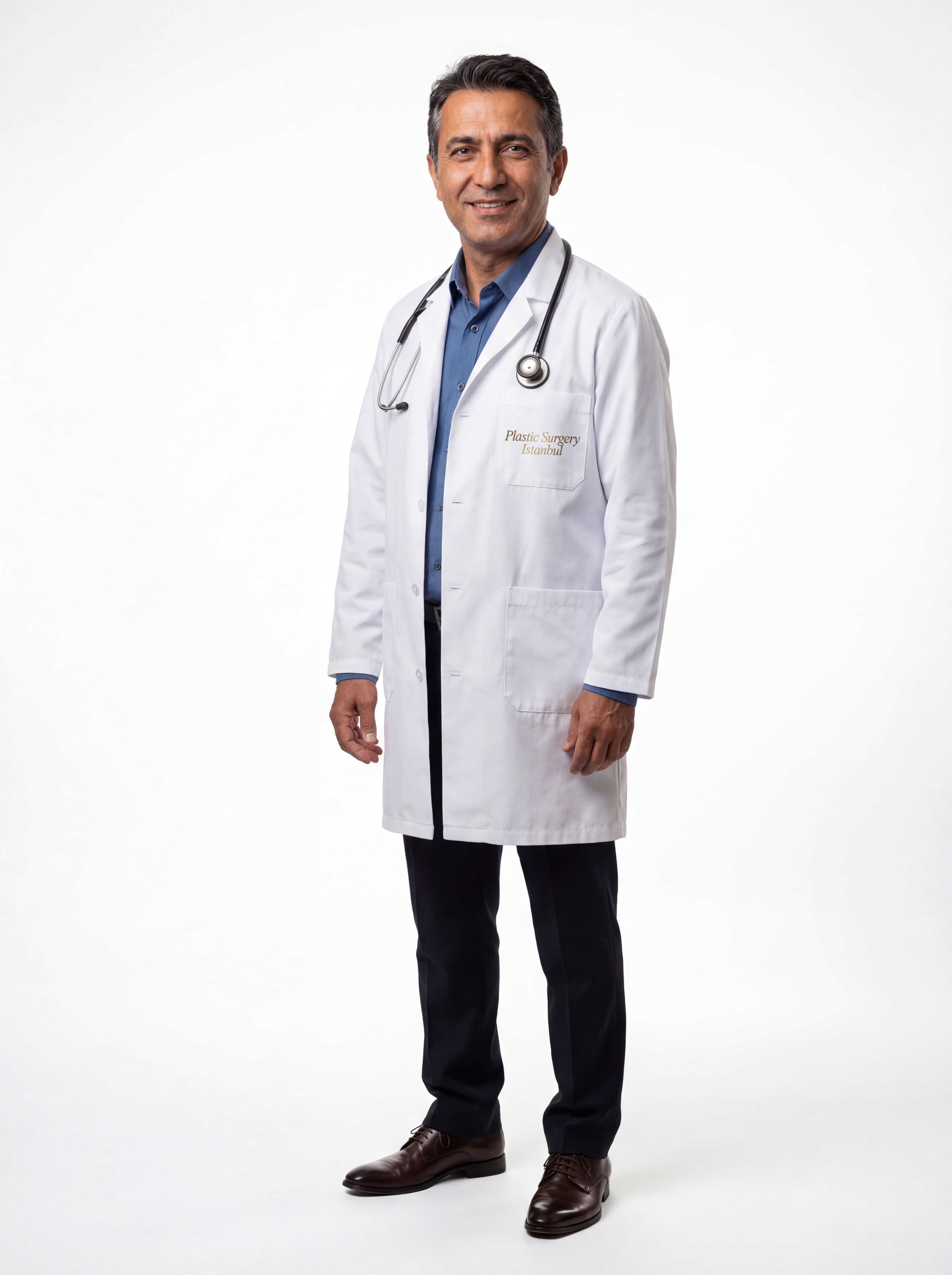
Every healing protocol described on this page is developed and supervised by Prof. Dr. Mehmet Kaan Uçar — a board-certified plastic surgeon with over 20 years of specialized expertise in periorbital surgery. His microsurgical technique — combining magnification-assisted precision, atraumatic tissue handling, and meticulous hemostasis — produces consistently faster healing with less bruising and swelling than conventional approaches.
Prof. Dr. Uçar is an active ISAPS member (International Society of Aesthetic Plastic Surgery), representing the global top 5% of plastic surgeons. His structured recovery protocol — developed through thousands of blepharoplasty cases — ensures every patient receives personalized, evidence-based guidance throughout their healing journey.
- Board-Certified Plastic Surgeon — 20+ Years Experience
- ISAPS Member (International Society of Aesthetic Plastic Surgery)
- 10,000+ Successful Aesthetic Procedures
- 30–40% Faster Healing Through Microsurgical Technique
- JCI-Accredited Hospital Operating Privileges
- Published Researcher in Periorbital Surgery
Your Recovery Journey at Plastic Surgery Istanbul
Free Online Consultation
Submit your photos and receive a personalized surgical assessment, healing timeline based on your skin type and age, and exact all-inclusive pricing from Prof. Dr. Uçar within 24 hours.
Pre-Surgery Optimization
Follow the pre-surgery protocol: begin supplements (arnica, vitamin C), stop blood thinners, and prepare your recovery space at home with our detailed preparation checklist.
VIP Arrival in Istanbul
Private airport transfer to your 5-star hotel. Meet your dedicated patient coordinator who manages every detail of your stay, surgery, and recovery.
Surgery Day
Blepharoplasty at JCI-accredited hospital by Prof. Dr. Uçar using microsurgical technique. 45–90 minute procedure under local anesthesia with sedation. 4-hour post-op monitoring.
Guided Recovery in Istanbul
Daily coordinator check-ins, suture removal at Day 3–5, comprehensive aftercare kit provided. Your recovery is actively managed — not left to chance.
12-Month Follow-Up Program
After returning home, receive structured virtual follow-up at Week 2, Month 1, Month 3, Month 6, and Month 12. Photo reviews and real-time guidance ensure optimal healing.
Frequently Asked Questions: Blepharoplasty Healing
Most patients achieve social recovery (comfortable appearing in public) by Day 7–10, resume full activities by Week 3–4, and see near-final results by Month 2–3. Complete healing with invisible scars occurs by Month 6. The timeline varies slightly based on the procedure type (upper vs. lower vs. combined), individual healing speed, and adherence to aftercare protocols.
Get Your Free Blepharoplasty Consultation
Submit your photos and Prof. Dr. Uçar will provide your personalized healing timeline, surgical plan, and exact all-inclusive pricing — within 24 hours.