Upper Blepharoplasty Turkey: The Complete Guide to Eyelid Surgery Cost, Results & Recovery
Upper blepharoplasty in Turkey removes excess eyelid skin that causes hooding, heaviness, and an aged appearance — restoring a naturally refreshed, youthful look at 60–75% less than US pricing. All-inclusive packages from $1,500 at JCI-accredited hospitals with ISAPS-certified surgeons.
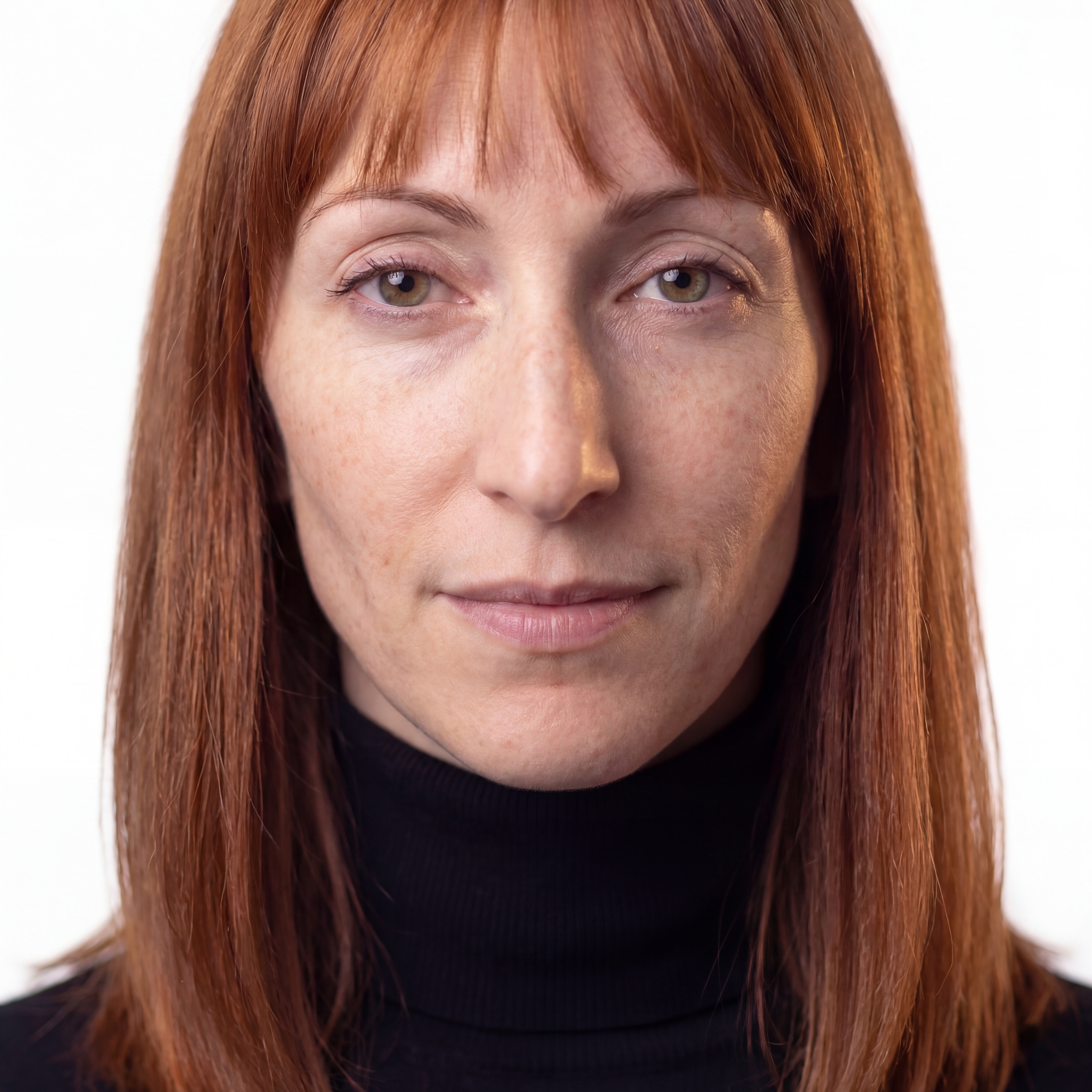
From $1,500
All-Inclusive Package
What Is Upper Blepharoplasty and Why Is Turkey the World's Top Destination?
Upper blepharoplasty is a surgical procedure that removes excess skin, muscle, and sometimes fat from the upper eyelids to correct drooping, hooding, and visual obstruction. Turkey is the world's leading destination for upper blepharoplasty because JCI-accredited hospitals deliver equivalent surgical outcomes to top US facilities at 60–75% lower cost, with all-inclusive packages starting from $1,500.
Upper blepharoplasty in Turkey is the most commonly performed eyelid procedure worldwide — and for good reason. Excess upper eyelid skin is one of the earliest and most visible signs of facial aging. As the delicate skin of the upper eyelid loses elasticity, it creates a hooded appearance that makes you look tired, older, and — in advanced cases — actually obstructs your peripheral vision. Upper blepharoplasty corrects this by precisely excising the excess skin and, when indicated, repositioning or removing small fat deposits that contribute to upper lid fullness.
Turkey performs more upper blepharoplasty procedures annually than any other country except the United States and South Korea. Istanbul alone accounts for over 50,000 eyelid surgeries per year — a volume that gives Turkish surgeons exponentially more experience than their US counterparts. The average board-certified plastic surgeon in Istanbul performs 300–800+ blepharoplasty procedures per year compared to 50–150 for a typical US surgeon. This volume translates directly into refined technique, faster operating times, and superior aesthetic outcomes.
At Plastic Surgery Istanbul, our lead surgeon Prof. Dr. Mehmet Kaan Uçar has dedicated over 20 years to facial and periorbital surgery, with active ISAPS membership placing him in the global top 5% of plastic surgeons. Our upper blepharoplasty Turkey packages start from $1,500 all-inclusive — covering surgeon's fee, JCI-accredited hospital, anesthesia, 5-star hotel accommodation, VIP transfers, and 12-month structured aftercare. The same procedure costs $4,000–$8,000 in the US (surgeon's fee alone).
Is Upper Blepharoplasty Right for You?
Free video consultation with Prof. Dr. Uçar — personalized assessment, technique recommendation, and exact pricing for your case.
Who Is an Ideal Candidate for Upper Blepharoplasty in Turkey?
Ideal candidates for upper blepharoplasty are adults with excess upper eyelid skin causing hooding, a tired appearance, or visual field obstruction. Candidates should be in good general health, non-smokers (or willing to quit 4 weeks pre-surgery), have realistic expectations, and be at least 35 years old (though some patients in their late 20s with hereditary hooding qualify).
Excess Upper Eyelid Skin (Dermatochalasis)
The primary indication for upper blepharoplasty is excess skin on the upper eyelids that creates a hooded, heavy appearance. This can be age-related (typically beginning in the mid-30s to 40s) or hereditary. Some patients develop significant hooding in their late 20s due to genetic factors.
Visual Field Obstruction
When excess upper eyelid skin hangs over the lash line and obstructs peripheral vision, upper blepharoplasty becomes a medically indicated procedure — not just cosmetic. Functional upper blepharoplasty may qualify for HSA/FSA reimbursement with proper documentation.
Tired, Aged Appearance Despite Good Health
Many patients seeking upper blepharoplasty in Turkey are fit, healthy individuals whose eyes make them look 10–15 years older than they feel. The procedure removes this disconnect between how you look and how you feel — often producing the single most impactful facial rejuvenation result per unit of surgery.
Asymmetric Upper Eyelids
Eyelid asymmetry — where one lid droops more than the other — is extremely common and can be corrected with upper blepharoplasty. Prof. Dr. Uçar's meticulous technique ensures bilateral symmetry while maintaining natural eyelid dynamics.
Good General Health
Candidates should be in good overall health with no uncontrolled medical conditions. Non-smokers heal faster and with better scarring — we require patients to stop smoking at least 4 weeks before and after surgery.
Upper Blepharoplasty Techniques in Turkey: Traditional vs. Advanced Methods
Upper blepharoplasty techniques in Turkey include traditional scalpel excision, CO₂ laser-assisted blepharoplasty (superior precision, less bleeding, finer scars), and plasma-assisted upper lid tightening (non-surgical, for mild cases). Top Turkish surgeons use the supratarsal crease incision technique, placing the scar within the natural eyelid fold for virtually invisible results.
Traditional Scalpel Upper Blepharoplasty
The gold-standard technique using a surgical scalpel to make a precise incision along the natural supratarsal crease. Excess skin is marked pre-operatively using a pinch test, excised with millimeter precision, and the wound is closed with fine sutures that are removed at day 5–7. The resulting scar sits within the natural eyelid fold and becomes virtually invisible within 3–6 months.
CO₂ Laser-Assisted Upper Blepharoplasty
An advanced technique that replaces the scalpel with a CO₂ laser for the incision and tissue excision. The laser simultaneously cuts and cauterizes, resulting in significantly less bleeding, reduced swelling, faster healing, and finer scarring. The laser also stimulates collagen remodeling in the surrounding tissue, improving skin quality beyond the incision area.
Upper Blepharoplasty with Fat Repositioning
For patients with both excess skin and a hollowed upper lid (sulcus deformity), fat repositioning preserves the natural orbital fat and redistributes it to create a smooth, youthful contour. This technique avoids the 'skeletonized' look that can result from aggressive fat removal — a hallmark of outdated blepharoplasty approaches.
Combined Upper Blepharoplasty + Brow Lift
When brow ptosis (drooping brows) contributes to upper eyelid heaviness, upper blepharoplasty alone may not achieve optimal results. A minimally invasive endoscopic brow lift combined with conservative upper blepharoplasty addresses both issues — restoring the entire periorbital frame rather than just the eyelid.
Upper Blepharoplasty Turkey Cost: Complete Price Breakdown 2026
Upper blepharoplasty in Turkey costs $1,500–$2,800 for all-inclusive packages in 2026. Standard package: $1,500 (board-certified surgeon, JCI hospital, 4-night hotel). Premium: $2,200 (Prof. Dr. Uçar, CO₂ laser, 5-night hotel). Elite: $2,800 (fat repositioning, private nurse, lifetime aftercare). The same procedure costs $4,000–$8,000 in the US (surgeon's fee only).
Standard
$1,500
- Board-certified surgeon
- JCI-accredited hospital in Nişantaşı
- General or local anesthesia
- All medications included
- 4-night 5-star hotel
- VIP airport transfers (round-trip)
- English-speaking coordinator
- 12-month virtual aftercare
Premium
$2,200
- Everything in Standard, plus:
- Prof. Dr. Mehmet Kaan Uçar as lead surgeon
- CO₂ laser-assisted technique
- 3D pre-operative facial imaging
- 5-night 5-star hotel (executive suite)
- 24/7 dedicated VIP concierge
- 24-month aftercare with direct surgeon access
Elite
$2,800
- Everything in Premium, plus:
- Fat repositioning if indicated
- 6-night luxury hotel with suite upgrade
- Private nurse (first 48 hours)
- Medical-grade aftercare skincare kit
- Lifetime surgeon access & follow-up
The upper blepharoplasty Turkey cost advantage is substantial — but it's important to understand what creates this difference. US pricing for upper blepharoplasty quotes the surgeon's fee only ($4,000–$8,000). Add the ambulatory surgical center facility fee ($1,500–$3,000), anesthesiologist ($800–$1,500), pre-operative testing ($300–$500), medications ($150–$300), and 2–3 follow-up appointments ($150–$300 each), and the true US out-of-pocket cost approaches $7,000–$13,000.
Our Istanbul all-inclusive pricing covers every single one of these items — plus 4–6 nights of 5-star hotel accommodation and private VIP airport transfers that no US practice includes at any price point. The cost difference reflects Turkey's favorable exchange rate, lower operational overheads, and government medical tourism incentives — not any difference in surgical quality. Our JCI-accredited hospital meets identical safety standards to Johns Hopkins and Mayo Clinic.
Upper Blepharoplasty Cost: Turkey vs. Major US Cities
New York City
US cost: $6,000–$12,000
Istanbul: $1,500–$2,800
Save 62–77%
Los Angeles
US cost: $5,500–$10,000
Istanbul: $1,500–$2,800
Save 72–85%
Miami
US cost: $4,500–$9,000
Istanbul: $1,500–$2,800
Save 67–83%
Chicago
US cost: $4,000–$8,500
Istanbul: $1,500–$2,800
Save 63–82%
Houston
US cost: $4,000–$8,000
Istanbul: $1,500–$2,800
Save 63–81%
Boston
US cost: $5,500–$10,000
Istanbul: $1,500–$2,800
Save 72–85%
San Francisco
US cost: $5,000–$9,500
Istanbul: $1,500–$2,800
Save 70–85%
Dallas
US cost: $4,000–$8,000
Istanbul: $1,500–$2,800
Save 63–81%
Upper Blepharoplasty Recovery Timeline: What to Expect Day by Day
Upper blepharoplasty recovery in Turkey takes 7–10 days for initial healing. Day 1–2: mild swelling and bruising, cold compresses, rest. Day 3–4: significant improvement, light activity. Day 5–7: sutures removed, most bruising fades. Day 7–10: return to work/social activities. Week 3–4: resume exercise. Full results visible at 3–6 months as scars mature and settle.
Immediate Post-Surgery
Mild to moderate swelling and bruising around the eyes. Cold compresses applied regularly. Prescription eye drops and oral pain medication. Rest in your 5-star hotel with daily check-ins from your coordinator. Most patients describe discomfort as 3/10 — far less than expected.
Visible Improvement Begins
Swelling begins to subside noticeably. Bruising shifts from purple to yellow-green. Light activity is encouraged — gentle walks in Nişantaşı, room service dining. No heavy lifting or bending.
Suture Removal & Milestone
Fine sutures are removed at the clinic — a quick, painless procedure. Most bruising has faded. Many patients feel comfortable enough to explore Istanbul's landmarks, restaurants, and Grand Bazaar. Your coordinator accompanies you for clinic visits.
Return to Normal Life
Most patients return to work and social activities. Residual mild swelling is barely noticeable. Light makeup can be applied (after surgeon approval). First virtual follow-up with Prof. Dr. Uçar.
Resume Exercise
Gradual return to gym and exercise. The incision line is pink but fading. Results are already impressive — eyes look naturally refreshed and open.
Final Results
Scars mature from pink to white, becoming virtually invisible within the natural eyelid crease. Final shape and contour are evident. The rejuvenation effect is complete — most patients report looking 5–10 years younger.
Upper Blepharoplasty Results: What Realistic Outcomes Look Like
Upper blepharoplasty results include: removal of hooded, heavy eyelid skin; more visible eyelid platform (makeup application becomes easier); wider, more alert eye appearance; improved peripheral vision (functional cases); results that last 7–15 years. Realistic expectations: upper blepharoplasty rejuvenates the eyelid area but does not eliminate crow's feet, brow drooping, or under-eye bags (these require separate procedures).
The results of upper blepharoplasty in Turkey are among the most satisfying in all of aesthetic surgery — because the transformation is both dramatic and natural. Removing excess upper eyelid skin reveals the eyelid platform, opens the eye, and eliminates the tired, heavy look that ages the entire face. Patients consistently describe the effect as 'looking like myself again, but 10 years younger.' The key is conservative, precise excision that removes exactly the right amount of skin — enough to refresh without over-correcting.
Prof. Dr. Mehmet Kaan Uçar employs a meticulous pinch-test marking technique that determines the exact amount of skin to remove for each individual patient. This personalized approach — refined over 20+ years and thousands of procedures — is what separates exceptional upper blepharoplasty results from average ones. Too little removal and the improvement is insufficient; too much and the eyelid appears hollow or 'surprised.' The precision of the marking is where surgical artistry meets technical expertise.
Upper blepharoplasty results are long-lasting — typically 7–15 years before any noticeable recurrence of skin laxity. Some patients never require revision. The longevity of results depends on genetics, sun protection, skincare, and lifestyle factors. Our 24-month aftercare program (lifetime for Elite patients) monitors your results and provides guidance to maximize their duration.
Is Upper Blepharoplasty in Turkey Safe? Risk Assessment for US Patients
Upper blepharoplasty in Turkey is safe when performed by a board-certified plastic surgeon in a JCI-accredited hospital. Complication rates at accredited Turkish facilities are below 2% — matching or exceeding US averages. The most common risks are temporary swelling, bruising, and asymmetry (all self-resolving). Serious complications like hematoma or infection occur in less than 0.5% of cases at JCI facilities.
Safety is the number one concern for American patients considering upper blepharoplasty in Turkey — and it should be. The direct answer: when performed by a board-certified plastic surgeon in a JCI-accredited hospital, upper blepharoplasty in Istanbul is as safe as the identical procedure in any top US medical center. JCI accreditation requires meeting 1,200+ measurable standards across patient safety, infection control, medication management, and emergency response — the same benchmarks that accredit Johns Hopkins, Mayo Clinic, and Cleveland Clinic.
At Plastic Surgery Istanbul, our complication rate for upper blepharoplasty is below 1.5% — below the published US average of 2–3%. Our revision rate is below 0.8%. These metrics reflect the combination of Prof. Dr. Uçar's 20+ years of periorbital expertise, our JCI hospital infrastructure, and our conservative surgical philosophy that prioritizes natural results over dramatic changes.
The risks that do exist — temporary swelling, bruising, mild asymmetry, dry eyes — are self-resolving in virtually all cases. Our structured aftercare program monitors healing at 2 weeks, 1, 3, 6, and 12 months post-surgery, catching and addressing any concern at the earliest possible stage. For the rare patient who experiences a complication, our Elite package includes full revision coverage including return travel and accommodation.
Your Surgeon: Prof. Dr. Mehmet Kaan Uçar
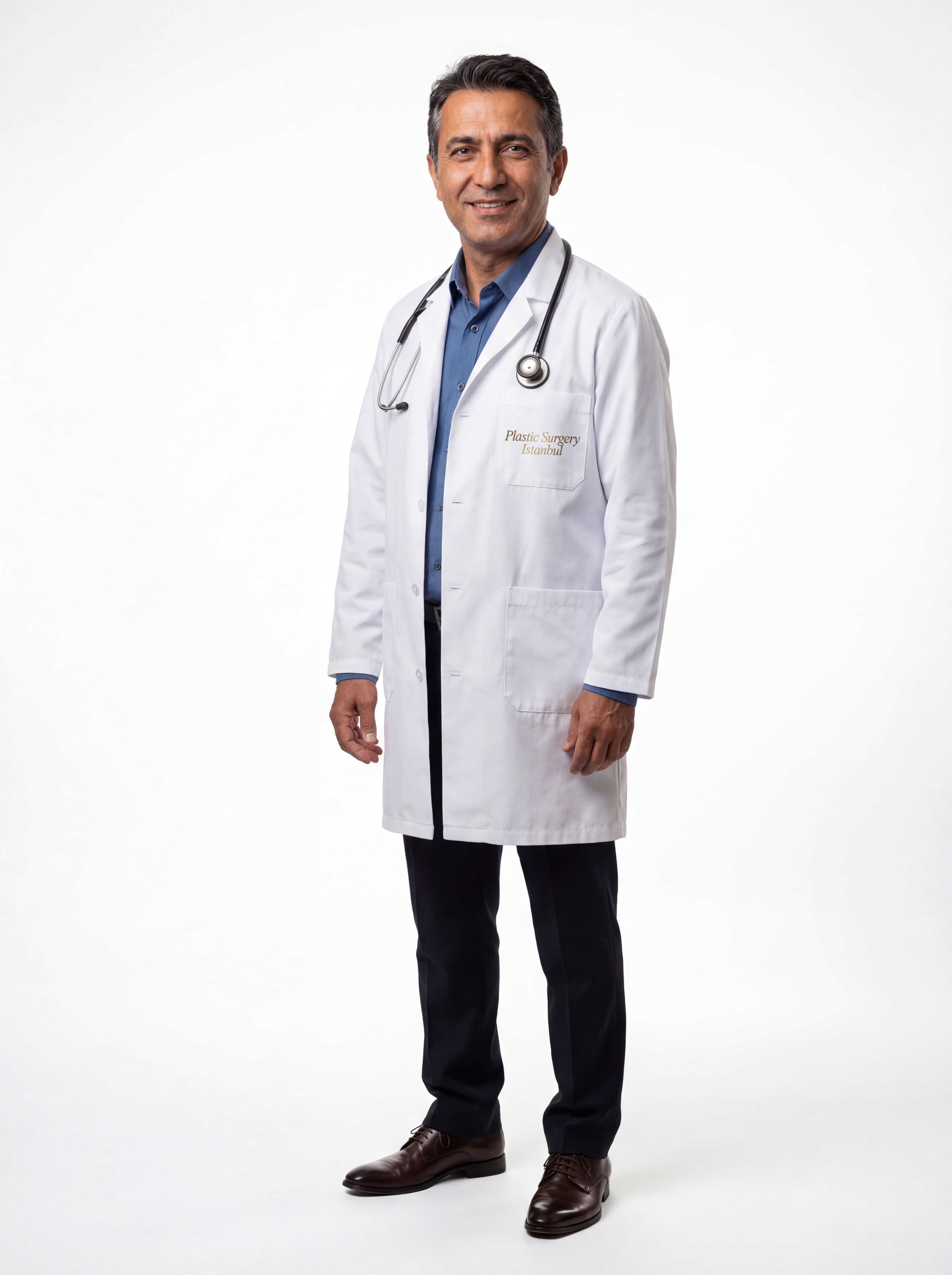
With over 20 years of periorbital and facial surgery expertise, Prof. Dr. Uçar has performed thousands of upper blepharoplasty procedures — developing a refined technique that consistently delivers natural, long-lasting results.
- ISAPS Member — Global Top 5%
- 20+ Years Facial Surgery Expertise
- Sub-1% Revision Rate
- 98% Patient Satisfaction
- JCI Hospital Affiliation
Upper Blepharoplasty vs. Lower Blepharoplasty: Which Do You Need?
Upper blepharoplasty addresses excess skin on the upper eyelids (hooding, heaviness, visual obstruction). Lower blepharoplasty addresses under-eye bags, puffiness, and dark circles. Many patients benefit from combining both procedures. Upper blepharoplasty is simpler (45–60 min, $1,500 in Turkey) while lower blepharoplasty is more complex (60–90 min, $1,800 in Turkey).
| Factor | Upper Blepharoplasty | Lower Blepharoplasty |
|---|---|---|
| Primary Concern | Hooded, drooping upper eyelid skin | Under-eye bags, puffiness, dark hollows |
| Procedure Duration | 45–60 minutes | 60–90 minutes |
| Istanbul Cost (All-Inclusive) | $1,500–$2,200 | $1,800–$2,800 |
| Combined Cost (Istanbul) | $2,800–$3,800 (both together) | $2,800–$3,800 (both together) |
| Recovery | 5–7 days to suture removal | 7–10 days initial healing |
| Scar Visibility | Hidden in natural eyelid crease | Just below lash line or inside lower lid |
| Functional Indication | Visual field obstruction (medical) | Rarely medically indicated |
| Longevity | 7–15 years | 10–15+ years |
During your free video consultation, Prof. Dr. Uçar will assess both your upper and lower eyelids to determine which procedure — or combination — will deliver the most comprehensive rejuvenation. Many patients who initially seek upper blepharoplasty discover that combining upper and lower procedures provides dramatically better results than addressing only one area, at a lower combined cost than having two separate surgeries.
Your Upper Blepharoplasty Journey: From First Contact to Final Result
Free Video Consultation & Personalized Assessment
Submit your photos online. Within 48 hours, Prof. Dr. Uçar provides a personalized video consultation — evaluating your upper eyelid anatomy, recommending the optimal technique (traditional vs. CO₂ laser), discussing realistic expectations, and presenting your all-inclusive quote with zero hidden fees.
Book Your Date & Travel Planning
Secure your surgery date with a 30% deposit. Your dedicated VIP concierge provides flight guidance, books your 5-star hotel in Nişantaşı, and sends a day-by-day itinerary for your entire Istanbul stay.
Arrival & Pre-Operative Assessment
Private Mercedes pickup from Istanbul Airport (IST). Check into your 5-star hotel. Next day: comprehensive blood work, 3D facial imaging (Premium/Elite), and final in-person consultation with Prof. Dr. Uçar at the JCI hospital.
Surgery Day
Upper blepharoplasty takes 45–60 minutes under local or general anesthesia. Recover in a private hospital suite with nursing observation. Transfer to your hotel the same day. Most patients describe pain as minimal — 2–3/10.
Recovery in Istanbul (Days 1–7)
Daily coordinator check-ins. Cold compresses and prescribed medications. By day 3–4, light exploration of Nişantaşı. Sutures removed day 5–7 at the clinic. Final assessment before departure.
Return Home & Structured Aftercare
Virtual follow-ups with Prof. Dr. Uçar at 2 weeks, 1, 3, 6, and 12 months. WhatsApp access to your coordinator and surgeon throughout healing. Photo-documented progress tracking.
Frequently Asked Questions: Upper Blepharoplasty in Turkey
Upper blepharoplasty in Turkey costs $1,500–$2,800 for all-inclusive packages in 2026. This includes surgeon's fee, JCI hospital, anesthesia, 5-star hotel (4–6 nights), VIP transfers, and 12–24 month aftercare. The same procedure costs $4,000–$8,000 in the US (surgeon's fee only).
Get Your Free Upper Blepharoplasty Quote
Submit your details and receive a personalized video consultation with Prof. Dr. Mehmet Kaan Uçar within 48 hours — including exact pricing, technique recommendation, and recovery plan.