Deep Plane Facelift Cost: Turkey vs UK
British patients save 60–70% on deep plane facelift surgery in Istanbul compared to Harley Street and private UK clinics — without compromising on surgeon credentials, hospital accreditation, or surgical technique. This page compares every cost component line by line, in both GBP and USD, so you know exactly where your money goes.

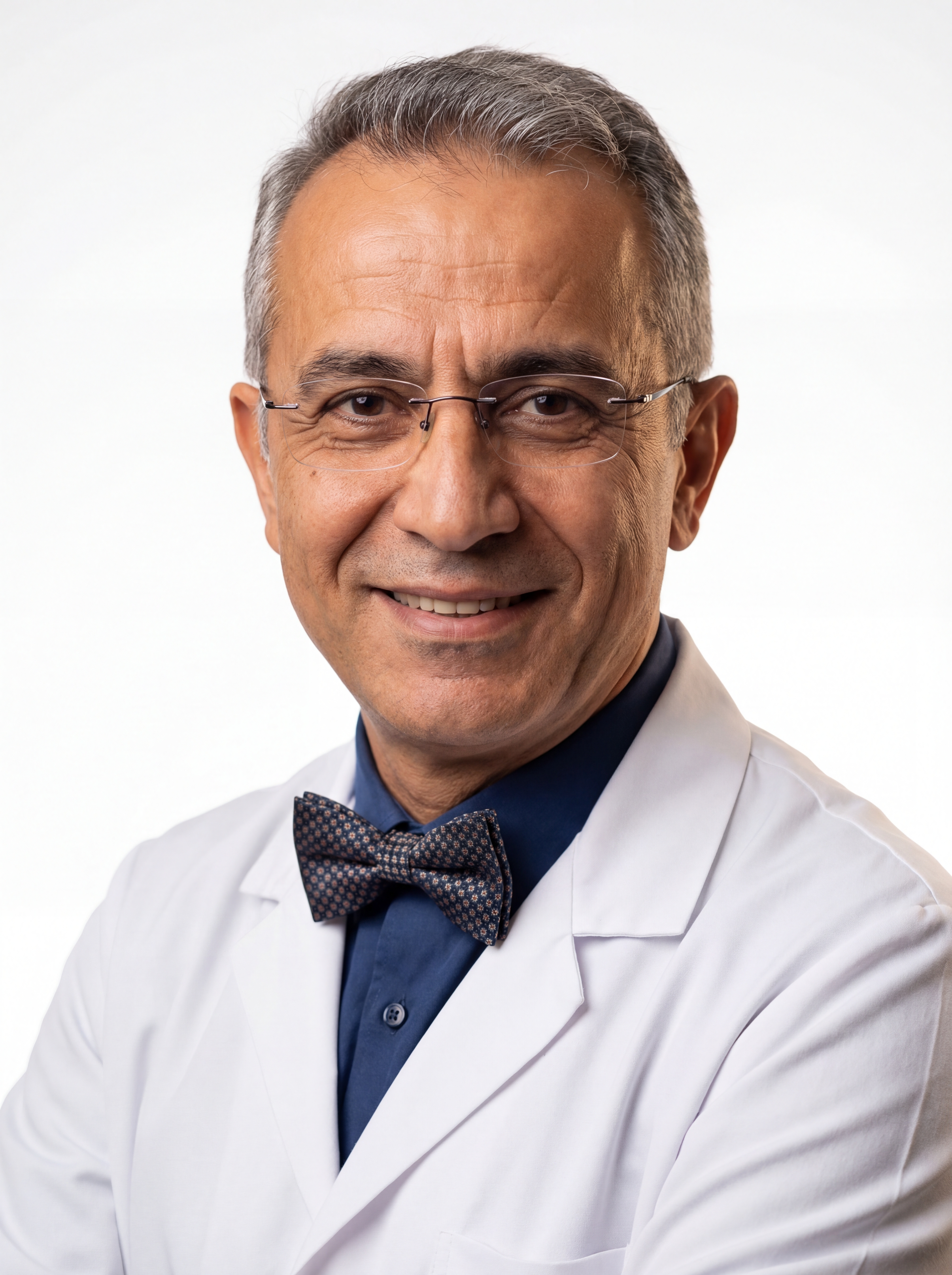
Prof. Dr. Cengiz Volkan Demirtaş
Board-Certified Plastic Surgeon · 7,200+ Facial Ops
Deep Plane Facelift Cost: Turkey vs UK — At a Glance
How Much Does a Deep Plane Facelift Cost in Turkey vs the United Kingdom?
A deep plane facelift costs £4,000–£8,000 all-inclusive in Istanbul, Turkey — covering surgeon's fee, JCI-accredited hospital, 5-star hotel, private transfers, and aftercare. In the United Kingdom, the same procedure costs £15,000–£35,000+ for surgery alone at private clinics, with hotel, transfers, and coordinator not available. British patients save 60–70% by choosing Istanbul without any reduction in surgical quality or safety standards.
The deep plane facelift cost equation has shifted dramatically for British patients. A procedure that once required £20,000–£35,000 at a Harley Street clinic is now accessible at a fraction of the price in Istanbul — performed by surgeons with equal or superior credentials, at hospitals carrying the same international accreditation as the UK's finest private institutions.
But cost alone doesn't tell the story. The real question British patients should ask is: "What am I receiving for my money in each country?" This page answers that question with complete transparency — comparing every cost component between Istanbul and the UK. No vague estimates. No hidden charges. No marketing spin. Just data that empowers you to make an informed decision.
At Plastic Surgery Istanbul, every deep plane facelift is performed by Prof. Dr. Cengiz Volkan Demirtaş — a university professor with 7,200+ facial operations, international fellowship training, and board certification recognised across Europe and beyond. The cost is lower. The surgeon is not.
The British Association of Aesthetic Plastic Surgeons (BAAPS) reports average facelift costs of £8,000–£12,000 in the UK — but that's for standard SMAS lifts. Deep plane facelifts, which require significantly more expertise and operative time, command premiums of 50–200% above those figures at leading London clinics. When you add facility fees, anaesthesia, aftercare, and VAT, the total quickly escalates beyond £25,000. In Istanbul, all of this — plus a 5-star hotel and VIP transfers — costs less than the UK surgeon's fee alone.
Deep Plane Facelift Cost in Turkey: Complete Breakdown for UK Patients
A deep plane facelift in Turkey costs £4,000–£8,000 (approx. $5,000–$10,000) all-inclusive. This covers the surgeon's fee (£2,400–£4,800), anaesthesiologist (included), JCI hospital with private room (included), all pre-op tests (included), medications (included), 5–7 night 5-star hotel (included), VIP transfers (included), and a dedicated English-speaking coordinator (included).
Surgeon's Fee: £2,400–£4,800
The surgeon's fee for a deep plane facelift in Turkey ranges from £2,400 to £4,800, depending on case complexity and package tier. At Plastic Surgery Istanbul, this covers the full deep plane technique — sub-SMAS dissection with retaining ligament release, composite flap repositioning, platysma muscle work for neck rejuvenation, and zero-tension skin closure.
This fee is for the same procedure performed by Prof. Dr. Cengiz Volkan Demirtaş regardless of package level. The surgical quality, technique, and attention never change between tiers. What changes is the hospitality experience — hotel class, transfer vehicle, and concierge services.
Hospital & Anaesthesia: Included in Every Package
In the UK, private hospital facility fees and anaesthetist fees are billed separately — often £2,000–£5,000 for the facility and £1,500–£3,000 for anaesthesia. In Turkey, both are included in the all-inclusive package price. You receive a private room (or suite in VIP tier) at a JCI-accredited hospital, with overnight nursing monitoring, continuous vital signs tracking, and all medical supplies.
The anaesthesiology team is board-certified and experienced in facial surgery protocols, using the same monitoring equipment — capnography, BIS monitoring, arterial line placement — found in top UK private hospitals. The safety standard is identical.
Pre-Operative Tests & Labs: Included
Comprehensive pre-operative testing — full blood count, metabolic panel, coagulation studies, ECG, chest X-ray — is included in every package. In the UK, private clinics charge £300–£800 for these tests, or you may face NHS waiting times for GP referrals. In Istanbul, tests are performed at the JCI-accredited hospital on your pre-operative day, with results reviewed by Prof. Dr. Demirtaş and the anaesthesiology team before surgery is confirmed.
Post-Operative Medications & Supplies: Included
All post-operative medications — antibiotics, pain management, anti-swelling protocols, compression garments — are included. British patients typically spend £150–£400 on private prescriptions and post-surgical supplies. At Plastic Surgery Istanbul, your recovery kit is prepared before surgery and delivered to your hotel room with clear English-language instructions.
5-Star Hotel Accommodation: 5–7 Nights Included
Your package includes 5–7 nights at a partnered hotel — 4-star for Essential packages, 5-star for Premium and VIP. Hotels are within 15 minutes of the hospital and clinic. Rooms are prepared for post-surgical recovery: extra pillows for elevated sleeping, ice packs, and coordinator visits twice daily.
For British patients familiar with London hotel rates (£200–£500/night), the value is remarkable. Seven nights of luxury recovery accommodation in Istanbul is included in a package that costs less than the UK surgeon's fee alone. You recover in comfort while your coordinator manages every detail.
VIP Transfers & Patient Coordinator: Included
Private airport pickup, all hospital and clinic transfers, and a dedicated English-speaking patient coordinator are included. Your coordinator is available 24/7 via WhatsApp, handles scheduling, translation, pharmacy runs, and any special request. In the UK, you arrange your own transport and communicate with the surgeon's office during business hours only.
Deep Plane Facelift Cost in the United Kingdom: What You Actually Pay
A deep plane facelift in the UK costs £15,000–£35,000+ in total. The surgeon's fee alone ranges from £10,000–£25,000. Anaesthetist fees add £1,500–£3,000, facility fees add £2,000–£5,000, and pre-op tests, medications, and follow-up visits are billed separately. No hotel, transfers, or coordinator are included.
UK Surgeon's Fee: £10,000–£25,000
The surgeon's fee for a deep plane facelift in the UK ranges from £10,000 to £25,000, depending on the surgeon's location, reputation, and demand. Leading Harley Street deep plane facelift specialists typically charge £15,000–£25,000 for the surgeon's fee alone — before facility fees, anaesthesia, or aftercare are added.
Regional UK clinics may offer lower surgeon's fees (£10,000–£15,000), but deep plane facelift expertise is concentrated in London, where costs are highest. By comparison, Prof. Dr. Demirtaş — with 7,200+ facial operations and equivalent credentials — performs the same procedure for £2,400–£4,800.
UK Anaesthetist Fee: £1,500–£3,000
Anaesthesia for a 4–6 hour deep plane facelift is billed separately in the UK at £1,500–£3,000. This covers the anaesthetist's time, monitoring equipment, and medications. In Istanbul, this identical service — with board-certified anaesthesiologists and the same monitoring standards — is included in the all-inclusive price.
UK Facility Fee: £2,000–£5,000
Private hospitals and surgical facilities charge £2,000–£5,000 for operating theatre time, nursing staff, supplies, and equipment. London facilities charge significantly more than those outside the M25. In Istanbul, the JCI-accredited hospital fee is included, and the standard is consistently high regardless of the package tier.
UK Additional Costs: £1,500–£4,000+
British patients face additional costs: pre-operative tests (£300–£800 privately), prescription medications (£150–£400), compression garments (£50–£120), follow-up consultations (£150–£350 each for 3–5 visits), and potentially VAT at 20% on the surgeon's fee at some clinics. None of these are typically bundled into the quoted surgeon's fee.
The deep plane facelift is not available on the NHS as it is classified as a cosmetic procedure. All costs are entirely out-of-pocket. When patients compare the UK "surgeon's fee" to the Istanbul "all-inclusive package price," they're not comparing like for like — the UK number excludes thousands of pounds in additional mandatory costs.
Deep Plane Facelift Cost Comparison Table: Turkey vs UK
Line-by-line cost comparison shows deep plane facelift in Turkey costs £4,000–£8,000 all-inclusive vs £15,000–£35,000+ in the UK for surgery alone. Turkey includes hospital, hotel, transfers, coordinator, and aftercare — all billed separately (or not available) in the UK.
| Cost Item | Turkey (Istanbul) | United Kingdom |
|---|---|---|
| Surgeon's Fee | £2,400 – £4,800 | £10,000 – £25,000 |
| Board-Certified Anaesthetist | Included | £1,500 – £3,000 |
| Hospital / Surgical Facility | Included (JCI-accredited) | £2,000 – £5,000 |
| Pre-Op Tests (Blood, ECG, Imaging) | Included | £300 – £800 |
| Post-Op Medications | Included | £150 – £400 |
| Compression Garments | Included | £50 – £120 |
| 5-Star Hotel (5–7 Nights) | Included | Not Included (£200–£500/night in London) |
| Private VIP Transfers | Included | Not Available |
| English-Speaking Coordinator 24/7 | Included | Not Available |
| Follow-Up Consultations (In-Person) | Included (3–5 visits) | £150–£350 per visit |
| Virtual Follow-Up (12 months) | Included | Rarely offered |
| Total All-In Cost | £4,000 – £8,000 | £15,000 – £35,000+ |
The numbers speak for themselves. A deep plane facelift in Istanbul — performed by a professor with 7,200+ operations, at a JCI-accredited hospital, with 5-star hotel and VIP transfers included — costs less than the surgeon's fee alone at a comparable Harley Street practice. The savings are real, the quality is documented, and thousands of British patients who've made this journey can verify it.
What's particularly notable is what Istanbul includes that the UK doesn't even offer: a dedicated patient coordinator, private transfers, luxury hotel recovery, and virtual follow-up for 12 months. These aren't optional extras — they're standard. The British private healthcare model charges more and delivers less of the total patient experience.
Why Is Deep Plane Facelift Cheaper in Turkey Than the UK?
Deep plane facelifts cost less in Turkey due to lower operating costs (rent, staff wages, indemnity insurance), favourable Turkish lira exchange rates, government healthcare investment, and a competitive medical tourism market — not lower quality. Surgeons hold international board certifications, hospitals carry JCI accreditation, and equipment is identical to UK facilities.
Cost of Living & Operating Expenses
The single biggest factor in Turkey's lower prices is cost of living. A surgeon's clinic in Istanbul costs a fraction of Harley Street rent. Staff wages, utilities, indemnity insurance premiums, and administrative overhead are proportionally lower. These savings are passed directly to patients — not absorbed as additional profit margin.
A top Harley Street surgeon might pay £30,000–£60,000 per month in clinic rent, staff salaries, and professional indemnity insurance. In Istanbul, those same operational costs are 70–80% lower. The surgeon's skill, training, and operative time are equivalent. The overhead is dramatically different.
Currency Exchange Advantage
The British pound to Turkish lira exchange rate creates a significant price advantage for UK patients. While Turkish surgeons earn competitive salaries in local purchasing power, the conversion to GBP produces prices that seem remarkably low to British patients. This isn't subsidised or artificial — it's straightforward currency economics that benefits every Briton who travels for care.
Government Investment in Healthcare Infrastructure
The Turkish government has invested billions in healthcare infrastructure, positioning Turkey as the world's leading medical tourism destination. Istanbul welcomed over 1.2 million medical tourists in 2024. This investment created internationally trained surgeons, JCI-accredited hospitals, and patient-focused infrastructure. Competition among Turkish clinics keeps prices accessible while driving quality upward.
Turkey now has more JCI-accredited hospitals than any country outside the United States — including the UK. The infrastructure isn't emerging — it's mature, regulated, and continuously audited by international accreditation bodies.
Surgical Volume & Specialisation
High surgical volume creates efficiency that reduces per-patient costs. Prof. Dr. Demirtaş has performed 7,200+ facial operations — a volume that most UK surgeons will never reach in their entire careers. This volume creates operational efficiency, refined technique, shorter operative times, and lower complication rates.
In surgical literature, high volume is consistently associated with better outcomes. The surgeon who has performed 7,200 facelifts operates with a level of pattern recognition and complication management that a surgeon with 500 procedures simply cannot match. You're paying less and getting more experience.
Is the Quality the Same? Turkey vs UK Deep Plane Facelift Standards
Yes. Deep plane facelift quality in Turkey matches the UK at top clinics. JCI hospital accreditation enforces identical safety standards. Surgeons like Prof. Dr. Demirtaş hold international board certifications, train at world-class institutions, and use the same techniques, equipment, and protocols as leading Harley Street surgeons.
JCI Accreditation vs CQC Registration
UK private hospitals are regulated by the Care Quality Commission (CQC). Turkish hospitals serving international patients carry JCI accreditation — the same international gold standard held by the Mayo Clinic, Cleveland Clinic, and top private hospitals worldwide. JCI requires compliance with over 1,400 measurable patient safety standards covering surgical protocols, infection control, medication management, and emergency response.
Both CQC and JCI ensure high standards, but JCI's scope is broader and more granular. A JCI-accredited hospital in Istanbul meets standards that many UK private hospitals aren't assessed against. You can verify any hospital's JCI status on the Joint Commission International website.
Surgeon Credentials: Prof. Dr. Demirtaş vs UK Surgeons
Prof. Dr. Cengiz Volkan Demirtaş holds credentials that match or exceed most UK deep plane facelift surgeons: university professorship, international board certification, fellowship training at world-renowned institutions, publications in peer-reviewed journals, and 7,200+ facial operations. His credential profile is directly comparable to the most sought-after surgeons on Harley Street.
The difference? He practises in Istanbul, where operating costs are 70–80% lower. His skill, training, and dedication to patient outcomes are not discounted — only the overhead costs are lower. Those savings benefit you directly.
Surgical Technique: Identical Deep Plane Protocol
The deep plane facelift technique is not location-dependent. Whether performed in London or Istanbul, it involves sub-SMAS dissection below the superficial musculoaponeurotic system, release of the zygomatic, masseteric, and mandibular retaining ligaments, composite flap repositioning of skin, fat, and muscle as a single unit, platysma muscle tightening for neck definition, and zero-tension skin closure for minimal scarring.
Prof. Dr. Demirtaş uses intraoperative nerve monitoring to protect the facial nerve during dissection — the same technology used at the most advanced UK centres. Operating room equipment, suture materials, and surgical instruments are manufactured by the same companies (Ethicon, Medtronic, Stryker) used in British hospitals.
Real-World Cost Scenarios: What British Patients Actually Pay
Scenario 1: Deep Plane Facelift on Harley Street, London
A 56-year-old woman from Surrey consults a leading deep plane facelift surgeon on Harley Street. Surgeon's fee: £22,000. Anaesthesia: £2,500. Facility fee: £3,800. Pre-op tests: £600. Medications: £250. Follow-up visits (4): £1,000. Total: £30,150. She recovers at home in Surrey, managing her own care, ice packs, and transport to Harley Street for follow-ups.
The same patient at Plastic Surgery Istanbul: VIP Elite Package: £8,000 — including Prof. Dr. Demirtaş (7,200+ ops), JCI hospital, 5-star hotel suite (7 nights), private Mercedes transfers, 24/7 coordinator, lymphatic massage, spa treatments, and 12-month virtual follow-up. Return flight from Heathrow: £200. Total: £8,200. Savings: £21,950.
Scenario 2: Deep Plane Facelift in Manchester
A 50-year-old man from Manchester receives quotes from two regional private clinics. Average quote: £18,000 (surgeon only). Adding anaesthesia (£2,200), facility (£3,500), and aftercare (£1,200) brings the total to £24,900. Wait times for the most experienced surgeons stretch to 3–6 months.
The same patient's Istanbul experience: Premium Package: £6,500 — Prof. Dr. Demirtaş, JCI hospital, 5-star hotel (7 nights), luxury transfers, coordinator, PRP treatment, lymphatic massage, and cultural tour. Flight from Manchester: £250. Total: £6,750. Savings: £18,150.
Scenario 3: Deep Plane Facelift in Edinburgh
A 62-year-old woman from Edinburgh researches deep plane facelifts. She discovers that very few Scottish surgeons offer the deep plane technique, requiring her to travel to London anyway. London surgeon: £20,000. Anaesthesia: £2,300. Facility: £3,600. Travel and accommodation in London: £800. Tests and aftercare: £1,500. Total: £28,200.
In Istanbul: Essential Package: £4,500 — complete deep plane facelift with Prof. Dr. Demirtaş, JCI hospital, 4-star hotel (5 nights), transfers, coordinator, and all aftercare. Flight from Edinburgh: £180. Total: £4,680. Savings: £23,520. Even the most affordable Istanbul package delivers a more comprehensive experience.
Can You Get a Deep Plane Facelift on the NHS?
No. Deep plane facelifts are classified as cosmetic procedures and are not available on the NHS. All facelift surgery in the UK must be paid privately, with costs ranging from £15,000–£35,000+. Turkey offers the same procedure for £4,000–£8,000 all-inclusive.
The NHS does not fund cosmetic facial surgery, including deep plane facelifts. Regardless of the degree of facial ageing or its psychological impact, the procedure is classified as elective and cosmetic under NHS guidelines. This means 100% of the cost is out-of-pocket for British patients — whether performed in the UK or abroad.
Since you're paying privately in either case, the comparison becomes purely about value for money. A deep plane facelift in the UK costs £15,000–£35,000+ for surgery alone, with aftercare billed separately. In Istanbul, £4,000–£8,000 covers everything — surgery, hospital, hotel, transfers, coordinator, and 12 months of virtual follow-up. The NHS question is moot; the value question is not.
Some patients initially explore whether their Private Medical Insurance (PMI) might cover a facelift. In virtually all cases, PMI policies explicitly exclude cosmetic surgery. Whether you have Bupa, AXA Health, or Vitality, you'll be paying out-of-pocket — making Istanbul's all-inclusive pricing even more compelling.
Travelling from the UK to Istanbul for Deep Plane Facelift
Istanbul is a 3.5–4 hour direct flight from London, Manchester, Birmingham, Edinburgh, and other UK cities. Return flights cost £150–£400. British citizens do not need a visa for Turkey (stays under 90 days). The short flight and easy logistics make Istanbul more accessible than many UK patients expect.
Flights from the UK to Istanbul
Istanbul Airport (IST) receives direct flights from all major UK airports: London Heathrow, Gatwick, Stansted, Luton, Manchester, Birmingham, Edinburgh, Glasgow, Bristol, and Leeds Bradford. Flight time is just 3.5–4 hours — shorter than flying to many European holiday destinations. Turkish Airlines, British Airways, easyJet, and Pegasus operate multiple daily routes.
Return flights typically cost £150–£300 on budget carriers and £250–£400 on full-service airlines. Business class is available from £600–£1,200. Even at the highest flight cost, the total Istanbul experience costs a fraction of a UK private procedure.
Visa & Entry Requirements for British Citizens
British citizens do not need a visa to enter Turkey for stays under 90 days. You simply present your passport at Istanbul Airport and receive an entry stamp. No e-visa application, no consulate visit, no additional paperwork. The process is identical to visiting any EU country — straightforward and hassle-free.
Typical 10-Day Schedule for UK Patients
Day 1: Arrive Istanbul (afternoon flight from UK). VIP airport pickup. Hotel check-in. Evening at leisure. Day 2: Pre-operative appointments — medical examination, blood tests, ECG, 3D facial analysis, final consultation with Prof. Dr. Demirtaş. Day 3: Surgery day. Hospital admission, procedure (4–5 hours), overnight monitoring. Day 4: Hospital discharge. Transfer to hotel.
Days 5–7: Recovery at hotel with daily coordinator visits and scheduled check-ups. Light walks, room service, gentle self-care. Drain removal (if placed). Days 8–9: Suture removal. Final examination. Cleared for gentle activities — optional Bosphorus tour or light sightseeing. Day 10: VIP transfer to airport. Short 4-hour flight home with aftercare instructions and scheduled virtual follow-up appointments.
The Complete Patient Journey: From UK Consultation to Istanbul Surgery
Free Virtual Consultation
Video call with Prof. Dr. Demirtaş from your home in the UK. Discuss goals, assess facial anatomy with 3D imaging, review medical history. Receive personalised surgical plan and exact pricing in GBP. No obligation, no consultation fee.
Transparent Quote & Booking
Receive an all-inclusive quote with every item listed in pounds sterling. No hidden fees, no surprise charges. Secure your date with a refundable deposit. Your English-speaking coordinator is assigned immediately.
Pre-Travel Preparation
Coordinator provides packing list, pre-op dietary instructions, medication adjustments, and flight recommendations from your nearest UK airport. Pre-operative medical questionnaire reviewed by Prof. Dr. Demirtaş before you travel.
Istanbul Arrival (Day 1)
VIP airport pickup in luxury vehicle — just 3.5–4 hours from London. Check into your 5-star hotel. Orientation call with coordinator. Rest and prepare for pre-operative appointments.
Pre-Op & Surgery (Days 2–3)
Comprehensive medical evaluation, blood work, ECG, 3D analysis. Final surgical planning with Prof. Dr. Demirtaş. Surgery day: 4–5 hour deep plane facelift at JCI hospital. Overnight monitoring with private nursing.
Recovery & Follow-Up (Days 4–9)
Hotel recovery with twice-daily coordinator visits. Scheduled check-ups with Prof. Dr. Demirtaş. Drain removal, suture removal. Lymphatic massage sessions (Premium/VIP). Light sightseeing when cleared.
Departure & Ongoing Care (Day 10+)
Final examination and flight clearance. VIP airport transfer. Short flight home to the UK. Detailed aftercare instructions. Virtual follow-ups at 1, 3, 6, and 12 months. 24/7 medical support line for any concerns.
Financing a Deep Plane Facelift in Turkey from the UK
Many British patients finance their Istanbul procedure using medical finance providers (Chrysalis Finance, Omni Capital), personal loans from high-street banks, or 0% credit cards with extended interest-free periods. Since the total cost is £4,000–£8,000 — compared to £15,000–£35,000 in the UK — financing in Turkey is significantly more manageable. Monthly payments on a £6,000 procedure are roughly £150–£250/month over 24 months.
Some patients use the savings from choosing Istanbul to pay outright instead of financing. A patient who would have financed £25,000 in the UK can pay £6,500 cash in Istanbul and still have £18,500 in their savings account. That's not just savings — it's financial freedom combined with a superior surgical experience.
Plastic Surgery Istanbul accepts bank transfers (BACS/CHAPS), credit cards (Visa, Mastercard, American Express), and cryptocurrency. Your coordinator assists with payment logistics to ensure a smooth, transparent transaction with no currency confusion or hidden processing fees. All quotes are provided in both GBP and USD.
Deep Plane Facelift Before & After Results
Save £10,000–£25,000 on Your Deep Plane Facelift
Get a personalised cost comparison with exact pricing in GBP from Prof. Dr. Demirtaş. Free virtual consultation — no obligation, no pressure.
Get Your Free Price QuoteFrequently Asked Questions: Deep Plane Facelift Cost Turkey vs UK
In Turkey, a deep plane facelift costs £4,000–£8,000 all-inclusive (surgeon, hospital, hotel, transfers, aftercare). In the UK, the same procedure costs £15,000–£35,000+ for surgery alone, with hotel, transfers, and coordinator not available. British patients save 60–70% by choosing Istanbul.
Related Deep Plane Facelift Resources
Get Your Free Deep Plane Facelift Price Quote in GBP
Receive a personalised cost comparison within 24 hours. Free virtual consultation with Prof. Dr. Demirtaş included — see exactly how much you'll save vs your UK quote.