Blepharoplasty Recovery Time: What to Expect Day by Day
Blepharoplasty recovery time is one of the most common concerns for patients considering eyelid surgery. The good news: blepharoplasty has one of the fastest recovery timelines of all facial surgeries — most patients return to normal activities within 7–10 days. This evidence-based guide from Prof. Dr. Mehmet Kaan Uçar covers every recovery phase in detail, from the first hour after surgery to your final result at 6 months.
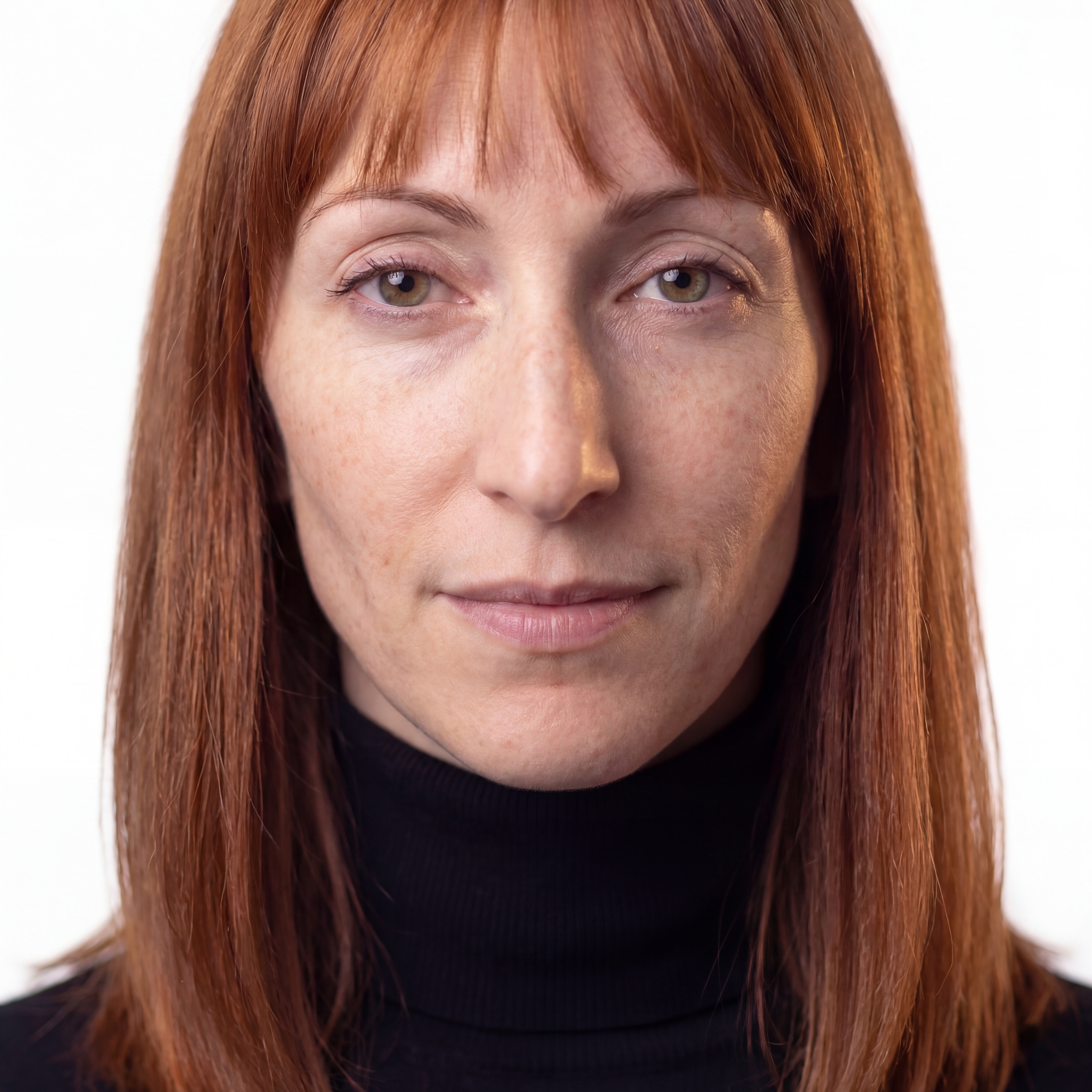
7–10 Day Recovery
Back to Normal Fast
How Long Is Blepharoplasty Recovery? The Evidence-Based Answer
Blepharoplasty recovery time is 7–14 days for most patients. Upper blepharoplasty recovery is typically 7–10 days (return to work and social activities), while combined upper and lower blepharoplasty takes 10–14 days. Complete healing with scar maturation and final tissue settling takes 3–6 months. Factors affecting recovery include the type of procedure (upper vs. lower vs. combined), surgical technique, patient age, and adherence to post-operative instructions.
Blepharoplasty recovery time is remarkably shorter than most patients expect. Unlike facelift surgery (2–4 weeks recovery) or rhinoplasty (3–6 weeks), eyelid surgery involves minimal tissue disruption, small incisions hidden within natural creases, and a blood supply-rich area that heals rapidly. This makes blepharoplasty one of the most efficient cosmetic procedures in terms of the transformation-to-downtime ratio.
At Plastic Surgery Istanbul, Prof. Dr. Mehmet Kaan Uçar has performed thousands of blepharoplasty procedures and has refined a recovery protocol that minimizes downtime while maximizing result quality. His technique emphasizes precise tissue handling, minimal cauterization (to reduce post-operative swelling), and meticulous hemostasis (blood vessel control) — all of which directly translate to faster healing and less bruising.
Understanding the recovery timeline before your procedure allows you to plan your schedule, set realistic expectations, and prepare your home recovery environment. Patients who travel from the United States to Istanbul for blepharoplasty typically spend 7–10 days in Turkey — enough time for suture removal, initial recovery assessment, and a comfortable flight home. By the time you land back in the US, most visible signs of surgery have already faded significantly.
According to ASPS (American Society of Plastic Surgeons), blepharoplasty consistently ranks among the top 5 cosmetic surgical procedures in the United States, with over 325,000 procedures performed annually. The combination of high patient satisfaction (over 95% according to RealSelf), fast recovery, and dramatic results makes it one of the most rewarding investments in facial rejuvenation — especially when performed at our JCI-accredited facility in Istanbul at 65–80% less than US pricing.
Blepharoplasty Recovery Timeline: Complete Day-by-Day Breakdown
Day 1: rest with cold compresses, moderate swelling. Day 2–3: peak swelling and bruising. Day 3–5: sutures removed, rapid improvement. Day 7: most patients socially presentable. Day 10–14: return to all normal activities. Month 1–3: residual swelling resolves. Month 6: final result with mature scars.
Immediately After Blepharoplasty
After surgery (45–90 minutes for upper; 90–120 minutes for combined), you rest in a private recovery suite for 1–2 hours. Your eyes will be covered with light gauze and cool compresses. You'll feel minimal pain — typically described as mild tightness rather than actual pain. Prof. Dr. Uçar prescribes pain medication, antibiotics, and anti-inflammatory drops. Your patient coordinator drives you to your 5-star hotel, where you rest with your head elevated at 30–45 degrees.
✓ Do
- Apply cold compresses every 20 minutes
- Keep head elevated at 30–45 degrees
- Take prescribed medications on schedule
- Rest with eyes closed as much as possible
✗ Don't
- ✗ Do not touch or rub your eyes
- ✗ Do not bend over or lift anything heavy
- ✗ Do not watch screens for extended periods
- ✗ Do not sleep face-down
Initial Swelling and Bruising Phase
The first 48 hours show the most dramatic swelling and bruising — this is completely normal and expected. Your eyelids may appear significantly puffy, and bruising typically ranges from pink-red to purple-blue. Some patients experience mild tearing or blurred vision (from ointment applied to incisions). This is the phase that looks the 'worst' but improves rapidly from here. Continue cold compresses religiously — they reduce swelling by 30–40%.
✓ Do
- Continue cold compresses every 20 minutes while awake
- Take short, gentle walks around your hotel room
- Sleep elevated on 2–3 pillows
- Use prescribed eye drops and ointment
✗ Don't
- ✗ Do not panic at swelling — it's temporary
- ✗ Do not take aspirin, ibuprofen, or blood thinners
- ✗ Do not wear contact lenses
- ✗ Do not expose eyes to direct sunlight
Suture Removal and Rapid Improvement
This is the turning point in recovery. Sutures are removed on Day 3–5 in a painless 5-minute procedure at the clinic. Once sutures are out, healing accelerates dramatically. Bruising begins shifting from dark purple to yellow-green (a sign of healing). Swelling reduces noticeably each day — patients often report waking up looking significantly better than the previous morning. Light reading and limited screen time can resume.
✓ Do
- Attend your suture removal appointment
- Begin gentle eye exercises as instructed
- Start applying scar healing ointment
- Increase walking and light activity
✗ Don't
- ✗ Do not skip the suture removal appointment
- ✗ Do not apply makeup to the incision area yet
- ✗ Do not exercise vigorously or lift weights
- ✗ Do not swim or submerge in water
Social Recovery Milestone
By Day 7, the majority of patients are socially presentable — meaning you can be seen in public without obvious signs of surgery. Bruising has largely resolved or can be easily concealed with light makeup (which is now permitted on the surrounding area, though not directly on the incision line). Swelling has reduced by approximately 70–80%. Most patients feel comfortable returning to desk-based work, dining out, and light social activities. This is typically when US patients fly home.
✓ Do
- Resume light makeup around (not on) incision lines
- Return to desk work and light activities
- Begin wearing sunglasses outdoors (UV protection)
- Continue gentle scar massage as instructed
✗ Don't
- ✗ Do not apply eye makeup directly on incisions until week 3
- ✗ Do not engage in strenuous exercise yet
- ✗ Do not expose scars to direct sunlight
- ✗ Do not pull or stretch the eyelid skin
Returning to Full Activities
By Week 2, most residual bruising has completely resolved. Swelling continues to decrease gradually — though you may notice slight morning puffiness for another 2–3 weeks (this is normal lymphatic fluid retention). The eyelid crease becomes more defined as swelling recedes. Full eye makeup can be applied. Light exercise (walking, yoga, stationary bike) can resume at Week 2. More intense exercise (weight lifting, running, swimming) at Week 3.
✓ Do
- Resume full eye makeup routine
- Gradually increase exercise intensity
- Apply SPF 30+ sunscreen around the eye area
- Continue scar care with silicone-based products
✗ Don't
- ✗ Do not expose healing scars to tanning beds or prolonged sun
- ✗ Do not wear false eyelashes or eyelash extensions yet
- ✗ Do not resume contact sports until week 4
- ✗ Do not discontinue scar care
Tissue Settling and Scar Maturation
During this phase, the final result progressively reveals itself. Residual swelling — particularly subtle puffiness that may not be noticeable to others but you can detect — continues to resolve. The eyelid crease settles into its final position. Scars transition from slightly pink/raised to flat and skin-colored. By Month 3, approximately 90% of your final result is visible. Any numbness or slight tightness sensation in the eyelid area resolves completely.
✓ Do
- Continue daily SPF application around eyes
- Attend your 1-month and 3-month follow-up appointments
- Resume all normal activities including contact sports
- Take comparison photos to track your progress
✗ Don't
- ✗ Do not assess your 'final result' before Month 3
- ✗ Do not consider revision surgery before Month 6
- ✗ Do not neglect sun protection on healing tissue
Final Result — Complete Maturation
Your blepharoplasty result is now fully mature. Scars are virtually invisible — hidden within the eyelid crease (upper) or completely internal (transconjunctival lower). The tissue has completed all remodeling. This is your new baseline appearance, which will age naturally from this refreshed starting point — typically lasting 10–15+ years for upper blepharoplasty before aging becomes noticeable again. Congratulations on your transformation.
✓ Do
- Enjoy your refreshed, rejuvenated appearance
- Maintain a good skincare routine for longevity
- Consider complementary treatments like Botox for maintenance
- Share your experience to help other patients
✗ Don't
- ✗ There are no restrictions at this stage
Get Your Personalized Recovery Plan
Every patient heals differently. Submit your photos and Prof. Dr. Uçar will provide a customized recovery timeline based on your specific procedure and anatomy.
Upper vs. Lower Blepharoplasty Recovery: Key Differences
Upper blepharoplasty recovery is typically faster (7–10 days to social recovery) because it involves only skin and muscle excision in an area with excellent blood supply. Lower blepharoplasty recovery takes 10–14 days due to deeper tissue manipulation, fat repositioning, and the sensitivity of the lower lid structure. Combined procedures follow the lower blepharoplasty timeline.
| Recovery Factor | Upper Blepharoplasty | Lower Blepharoplasty |
|---|---|---|
| Social Recovery | 7–10 days | 10–14 days |
| Return to Work | 5–7 days (desk work) | 7–10 days (desk work) |
| Bruising Duration | 5–7 days | 7–14 days |
| Swelling Peak | Day 2–3 | Day 2–4 |
| Swelling 80% Resolved | Week 2 | Week 3 |
| Exercise Resumption | Week 2 | Week 3 |
| Scar Maturation | 2–3 months | 3–4 months (subciliary) |
| Final Result Visible | 3 months | 3–6 months |
| Suture Removal | Day 3–5 | Day 5–7 (if external) |
| Pain Level | Minimal (1–2/10) | Mild (2–3/10) |
12 Expert Tips to Speed Up Blepharoplasty Recovery
Speed up blepharoplasty recovery by: applying cold compresses every 20 minutes for the first 48 hours, sleeping elevated at 30–45 degrees, avoiding blood thinners for 2 weeks, staying hydrated, eating anti-inflammatory foods, protecting eyes from sun exposure, and following your surgeon's post-operative instructions precisely.
Cold Compresses: The Single Most Effective Tool
Applying cold compresses (not ice directly on skin) for 20 minutes on, 20 minutes off during the first 48 hours reduces swelling by 30–40% and significantly decreases bruising. Use gel-based eye masks stored in the refrigerator (not freezer) or clean gauze soaked in ice water. This is the single most impactful recovery action you can take.
Sleep Elevated for the First Week
Keeping your head elevated at 30–45 degrees during sleep prevents fluid accumulation around the eyes. Use a wedge pillow or stack 2–3 regular pillows. Some patients find sleeping in a recliner chair most comfortable for the first 3–4 nights. This position reduces morning swelling by up to 50%.
Stop Blood Thinners 2 Weeks Before and After
Aspirin, ibuprofen, fish oil supplements, vitamin E, and alcohol all thin the blood and increase bruising. Prof. Dr. Uçar requires patients to discontinue these 2 weeks before surgery and avoid them for 2 weeks after. Use acetaminophen (Tylenol) for pain management instead. This simple step can reduce bruising duration by 3–5 days.
Arnica Montana: Natural Bruise Reduction
Arnica montana supplements (taken orally) and arnica gel (applied topically, away from incisions) have been shown in clinical studies to reduce bruising intensity and duration after facial surgery. Prof. Dr. Uçar recommends starting arnica 3 days before surgery and continuing for 7 days after. While not a miracle cure, many patients report noticeably less discoloration.
Hydration Accelerates Healing
Drink at least 2–3 liters of water daily during recovery. Proper hydration supports cellular repair, reduces swelling (counterintuitively, dehydration causes more fluid retention), and helps flush metabolic waste products from healing tissue. Avoid caffeine and alcohol, which are dehydrating and can increase swelling.
Anti-Inflammatory Diet During Recovery
Eat foods rich in omega-3 fatty acids (salmon, walnuts), vitamin C (citrus fruits, bell peppers), vitamin A (sweet potatoes, carrots), and bromelain (pineapple). Avoid processed foods, excess sodium (which increases water retention and swelling), and spicy foods (which can increase blood flow and bruising).
Protect Eyes from Sunlight
UV exposure can cause healing scars to hyperpigment (darken permanently). Wear high-quality, wrap-around sunglasses with UV400 protection whenever outdoors for the first 3 months. Apply SPF 30+ sunscreen around the eye area (not on incision lines during the first 2 weeks) once cleared by your surgeon.
Avoid Screens for the First 48 Hours
Extended screen time (phone, computer, TV) causes dry eyes, eye strain, and increased blinking — all of which stress healing eyelid tissue. For the first 48 hours, minimize screen time entirely. After Day 3, gradually resume with frequent breaks (20-20-20 rule: every 20 minutes, look at something 20 feet away for 20 seconds).
Use Prescribed Eye Drops Religiously
Prof. Dr. Uçar prescribes antibiotic drops (infection prevention), lubricating drops (comfort), and anti-inflammatory drops (swelling reduction). Use them exactly as directed — skipping doses extends recovery. Artificial tears are particularly important as blepharoplasty can temporarily reduce blink reflex efficiency, causing dryness.
Gentle Walking from Day 1
Light walking (5–10 minutes, 2–3 times daily) starting from Day 1 promotes circulation, reduces swelling, prevents blood clots, and improves mood during recovery. Avoid vigorous exercise, bending over, or heavy lifting for 2–3 weeks — these increase blood pressure to the head and can cause bleeding or increased swelling.
Don't Rush Makeup Application
While light makeup around (not on) incision lines can resume at Day 7–10, avoid applying products directly on or near the healing incision for at least 2–3 weeks. When you do resume eye makeup, use new products (to avoid bacterial contamination) and remove gently with micellar water rather than rubbing.
Follow Your Surgeon's Specific Instructions
Every patient heals differently, and Prof. Dr. Uçar provides personalized post-operative instructions based on your specific procedure, anatomy, and healing response. These instructions supersede general advice. If you have any concerns during recovery — unusual pain, vision changes, excessive bleeding — contact your coordinator immediately via our 24/7 support line.
Blepharoplasty Recovery: When to Be Concerned
Normal blepharoplasty recovery includes swelling, bruising, mild tightness, temporary blurred vision (from ointment), and slight asymmetry during healing. Contact your surgeon immediately if you experience severe pain, vision loss, excessive bleeding, signs of infection (increasing redness, warmth, pus), or inability to close your eyes completely.
Normal Recovery Symptoms
- Moderate swelling (peaks Day 2–3, resolves by Week 2)
- Bruising ranging from pink to purple to yellow-green
- Mild tightness or pulling sensation in eyelids
- Temporary blurred vision from ointment application
- Light sensitivity for 3–5 days
- Slight asymmetry during the healing process (tissue settles at different rates)
- Mild tearing or watery eyes for 1–2 weeks
- Numbness around incision area (resolves in 1–3 months)
Contact Your Surgeon If
- Severe, increasing pain not controlled by prescribed medication
- Sudden vision loss or persistent double vision
- Excessive bleeding that doesn't stop with gentle pressure
- Signs of infection: increasing redness, warmth, swelling, or discharge after Day 3
- Inability to fully close your eyes (may indicate overcorrection)
- Fever above 101°F (38.3°C)
- Severe headache or eye pressure
Prof. Dr. Uçar's complication rate is below 2% — significantly lower than published international averages. This is achieved through meticulous surgical technique, conservative tissue removal, proper patient selection, and comprehensive post-operative monitoring. Every patient receives a 24/7 emergency contact number and daily check-ins during their first week of recovery.
Blepharoplasty Recovery for International Patients: Travel Timeline
For patients traveling from the United States to Istanbul for blepharoplasty, the travel-recovery timeline is a critical planning factor. Prof. Dr. Uçar and our patient coordination team have perfected this process over thousands of international cases — ensuring a seamless experience from landing at Istanbul Airport to flying home with your refreshed new look.
The recommended Istanbul stay is 7–10 days: Day 1 for arrival, pre-operative consultation, and medical tests at our JCI-accredited hospital; Day 2 for surgery; Days 3–5 for suture removal and monitored recovery; and Days 6–10 for light sightseeing while your healing continues. By Day 7, most patients are socially presentable and comfortable in public. Flying is safe from Day 7 onward — cabin pressure does not adversely affect eyelid surgery healing.
Your all-inclusive package includes 5-star hotel accommodation, airport VIP transfers, a dedicated English-speaking patient coordinator available 24/7, all post-operative medications and care supplies, and follow-up appointments. After returning home, Prof. Dr. Uçar continues monitoring your recovery through our telemedicine platform — reviewing progress photos at 2 weeks, 1 month, 3 months, and 6 months post-surgery.
Many US patients combine their blepharoplasty trip with exploring Istanbul — visiting the Hagia Sophia, Blue Mosque, Grand Bazaar, and Bosphorus cruise during their recovery days. By Day 5–7, most patients feel well enough for light tourism with sunglasses. This 'recovery vacation' aspect is one of the unique advantages of medical travel to Turkey, transforming a medical procedure into a memorable cultural experience.
Blepharoplasty Cost with Recovery Package: Turkey vs. USA
All-inclusive blepharoplasty in Turkey costs $1,500–$3,500 including surgery, hospital, anesthesia, medications, 5-star hotel, airport transfers, and post-op care. The same procedure in the USA costs $4,000–$15,000 for surgery fees alone — plus additional costs for facility, anesthesia, medications, and follow-up visits that can add $2,000–$5,000.
| Procedure | Turkey (All-Inclusive) | USA (Surgery Only) | Savings |
|---|---|---|---|
| Upper Blepharoplasty | $1,500–$2,000 | $4,000–$7,000 | 65–75% |
| Lower Blepharoplasty | $1,800–$2,500 | $5,000–$8,500 | 65–70% |
| Combined Upper + Lower | $2,200–$3,500 | $8,000–$15,000 | 70–80% |
| Revision Blepharoplasty | $2,500–$4,000 | $7,000–$15,000 | 65–75% |
| Bleph + Brow Lift Combo | $3,000–$4,500 | $10,000–$18,000 | 70–75% |
Upper Blepharoplasty
From $1,500
- Upper eyelid surgery by Prof. Dr. Uçar
- JCI-accredited hospital facility
- General or local anesthesia
- Pre-op blood work & ECG
- 5-star hotel (2 nights)
- VIP airport transfers
- 24/7 patient coordinator
- All post-op medications & care kit
- 12-month follow-up support
Combined Blepharoplasty
From $2,200
- Upper + lower eyelid surgery
- JCI-accredited hospital with overnight stay
- General anesthesia
- Complete pre-op testing
- 5-star hotel (3 nights)
- VIP airport transfers
- Dedicated patient coordinator
- Complete recovery care package
- 12-month follow-up support
Full Eye Rejuvenation
From $3,500
- Upper + lower blepharoplasty
- Brow lift or fat grafting
- JCI-accredited hospital facility
- Full anesthesia & monitoring
- 5-star hotel (4 nights)
- VIP airport transfers & city tour
- Personal concierge service
- Complete recovery care package
- Lifetime follow-up support
Blepharoplasty Cost: Turkey vs. Major US Cities
New York, NY
US Cost: $6,000–$12,000
Save 75–85%
Los Angeles, CA
US Cost: $5,500–$10,000
Save 70–85%
Miami, FL
US Cost: $4,500–$9,000
Save 65–80%
Chicago, IL
US Cost: $4,000–$8,500
Save 65–80%
Houston, TX
US Cost: $4,000–$8,000
Save 65–80%
Boston, MA
US Cost: $5,000–$10,000
Save 70–85%
San Francisco, CA
US Cost: $6,000–$11,000
Save 75–85%
Atlanta, GA
US Cost: $4,000–$8,000
Save 65–80%
Your Blepharoplasty Specialist: Prof. Dr. Mehmet Kaan Uçar
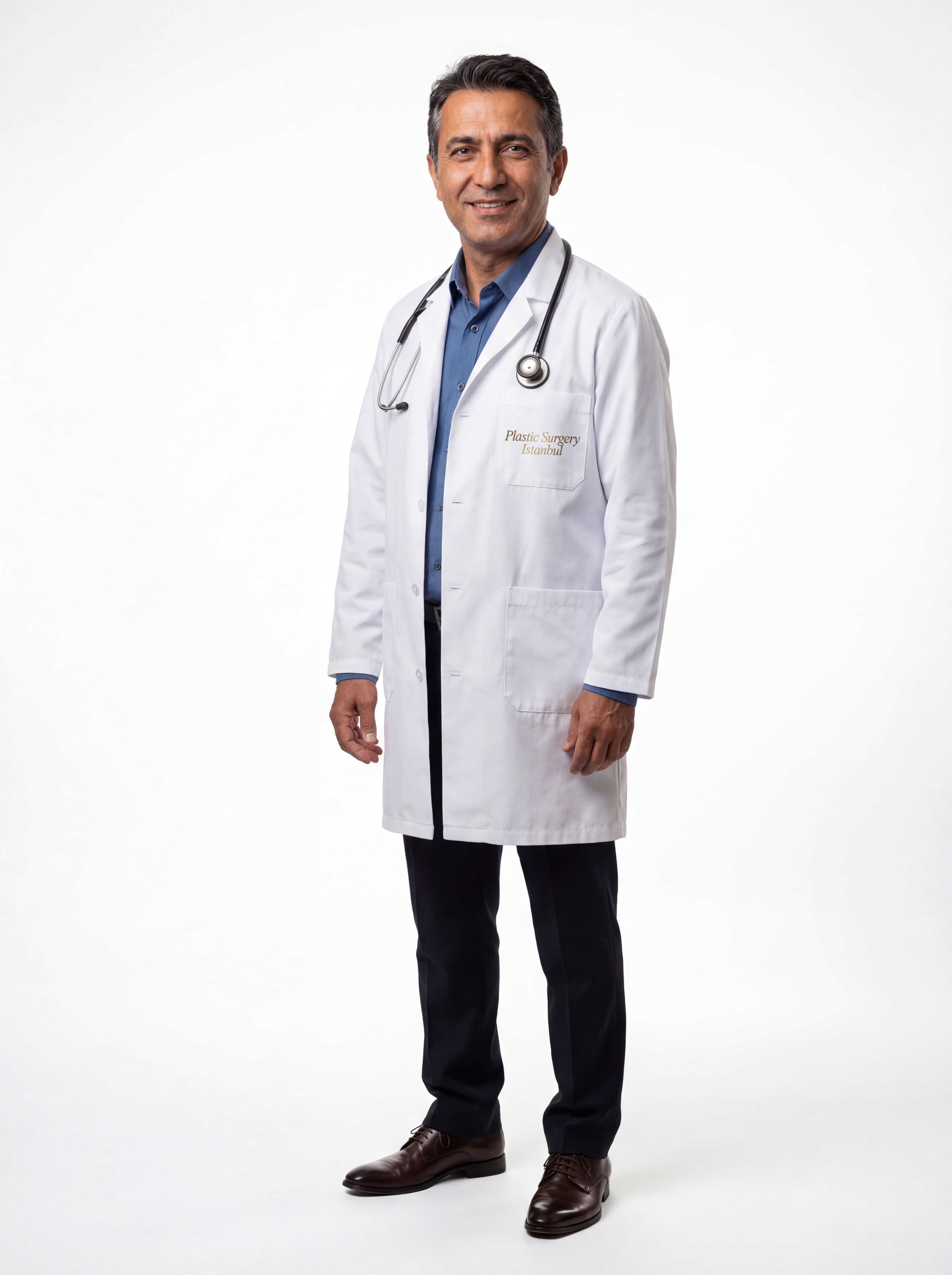
Every blepharoplasty recovery protocol on this page is based on the clinical experience of Prof. Dr. Mehmet Kaan Uçar — a board-certified plastic surgeon with over 20 years of specialized expertise in facial aesthetic surgery. His refined surgical technique directly contributes to the fast recovery times our patients experience.
Prof. Dr. Uçar is an active member of ISAPS (International Society of Aesthetic Plastic Surgery), representing the global top 5% of plastic surgeons. His approach to blepharoplasty emphasizes minimal tissue trauma, precise hemostasis, and conservative excision — all of which reduce post-operative swelling, bruising, and recovery time compared to more aggressive techniques.
What sets Prof. Dr. Uçar's patients apart during recovery is the comprehensive post-operative support system: 24/7 coordinator access, daily check-ins during the first week, telemedicine follow-ups after returning home, and a personalized recovery protocol tailored to each patient's specific procedure and healing response.
- ISAPS Member — Global Top 5%
- 20+ Years Facial Surgery Expertise
- 10,000+ Surgical Procedures
- Blepharoplasty Specialist
- Sub-2% Complication Rate
- JCI Hospital Affiliation
Your Blepharoplasty Journey: From Consultation to Full Recovery
Free Virtual Consultation
Submit your photos and Prof. Dr. Uçar personally evaluates your eyelid anatomy — recommending the optimal procedure type and providing a personalized recovery timeline estimate. You receive your surgical plan and exact all-inclusive pricing within 24 hours.
Pre-Surgery Preparation
Your patient coordinator arranges everything: travel, accommodation, pre-op instructions (stop blood thinners, arrange recovery supplies), and medical appointment scheduling. You receive a detailed preparation checklist 2 weeks before your trip.
Surgery Day in Istanbul
Comprehensive medical evaluation, pre-operative photography, and meticulous surgical markings followed by your blepharoplasty procedure at our JCI-accredited hospital. You rest in a private suite and return to your 5-star hotel the same day.
Monitored Recovery (Day 1–7)
Daily coordinator check-ins, suture removal on Day 3–5, progress photography, and personalized recovery guidance. By Day 7, you're socially presentable and ready to enjoy Istanbul or fly home.
Telemedicine Follow-Up (Week 2–Month 6)
After returning home, Prof. Dr. Uçar monitors your healing through progress photo reviews at 2 weeks, 1 month, 3 months, and 6 months — ensuring optimal results and addressing any concerns remotely.
Blepharoplasty Recovery Time: Frequently Asked Questions
Most patients need 5–7 days off for upper blepharoplasty and 7–10 days for combined upper and lower. If you work from home, you may feel comfortable resuming desk work as early as Day 3–4. For public-facing roles, allow 10–14 days for all visible bruising and swelling to resolve.
Related Blepharoplasty Services
Get Your Free Blepharoplasty Consultation
Submit your photos and Prof. Dr. Uçar will provide your personalized surgical plan, recovery timeline, and exact all-inclusive pricing — within 24 hours.