Blepharoplasty Risks: Understanding Eyelid Surgery Complications & Safety
Blepharoplasty risks are among the lowest of all facial cosmetic procedures — but understanding potential complications is essential for informed decision-making. Prof. Dr. Mehmet Kaan Uçar's complication rate of under 1.5% reflects 20+ years of microsurgical precision, rigorous patient screening, and JCI-accredited hospital standards. This guide covers every risk category, real-world complication rates, and the protocols that keep you safe.
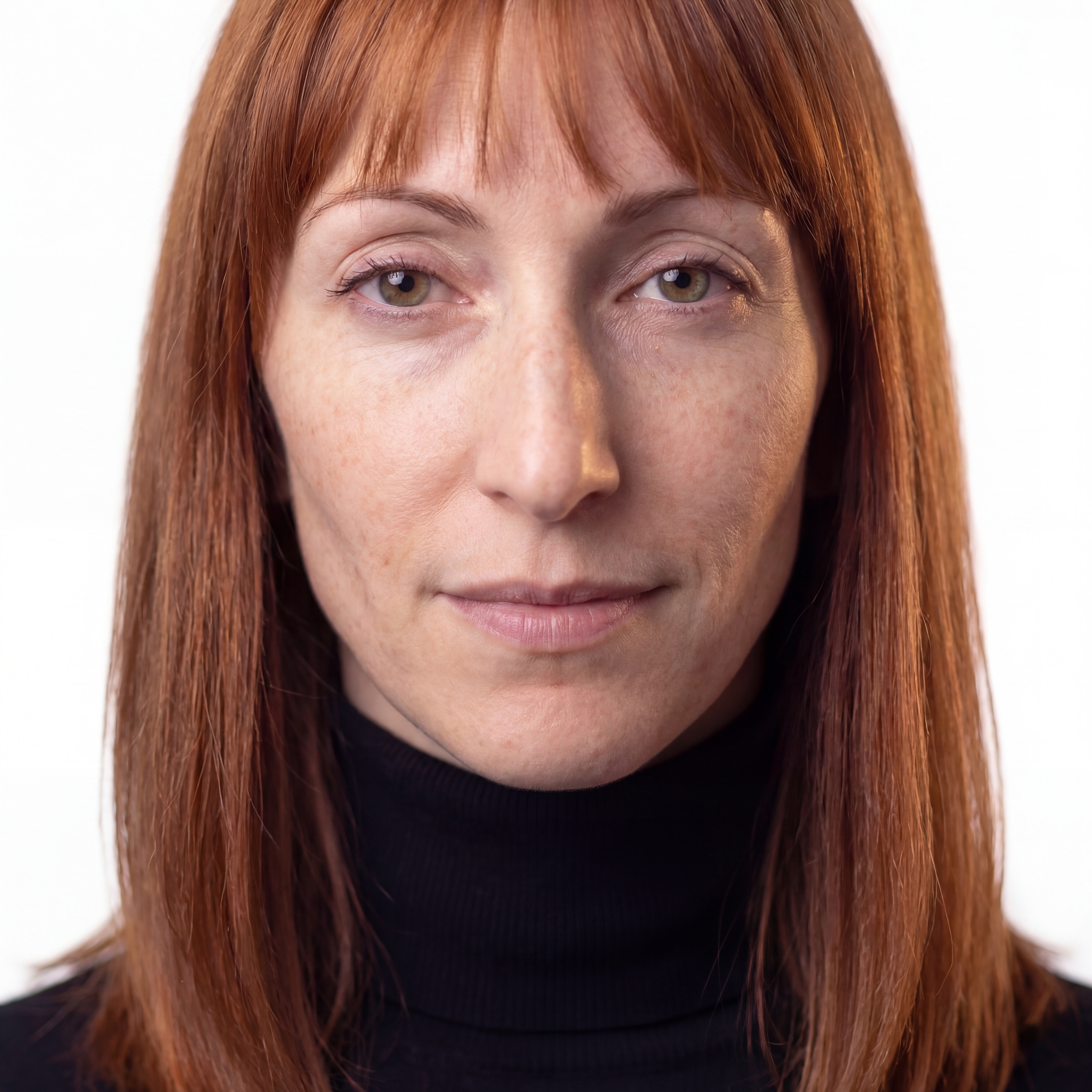
<1.5% Complication Rate
Safety-First Approach
Blepharoplasty Risks Overview: What Every Patient Should Know
Blepharoplasty is one of the safest cosmetic procedures with a serious complication rate below 1–2% in experienced hands. Common temporary side effects include bruising, swelling, and dry eyes (affecting 30–50% of patients temporarily). Rare complications include infection (<0.5%), hematoma (<1%), asymmetry requiring revision (<2%), and extremely rare vision-threatening events (<0.04%). Choosing a board-certified surgeon with extensive blepharoplasty experience is the single most important risk-reduction factor.
Blepharoplasty risks deserve honest, transparent discussion — because patients who understand both the benefits and the potential complications make better decisions and experience better outcomes. At Plastic Surgery Istanbul, we believe that informed consent is not a checkbox exercise; it's a conversation that builds trust and ensures every patient enters surgery with realistic expectations and confidence in their safety.
The statistical reality is reassuring: blepharoplasty consistently ranks among the safest aesthetic surgical procedures performed worldwide. According to data published by the American Society of Plastic Surgeons (ASPS) and the International Society of Aesthetic Plastic Surgery (ISAPS), the overall serious complication rate for blepharoplasty is 1–2% — significantly lower than rhinoplasty (3–5%), facelift (2–4%), or abdominoplasty (4–6%). This favorable safety profile exists because the procedure involves minimal tissue dissection, typically uses local anesthesia with sedation, and operates on tissue with exceptional blood supply.
Prof. Dr. Mehmet Kaan Uçar has performed thousands of blepharoplasty procedures over a career spanning more than two decades. His complication rate of under 1.5% — verified through systematic outcome tracking — reflects a combination of meticulous patient selection, microsurgical technique, JCI-accredited surgical facilities, and comprehensive post-operative monitoring. Every patient receives a detailed risk assessment during their pre-surgical consultation, with personalized risk-reduction strategies based on individual medical history, anatomy, and goals.
This guide covers every potential complication category — from common, temporary side effects that resolve on their own, to rare complications that require intervention, to extremely rare but serious events that every patient should understand. Our philosophy: full transparency creates the foundation for full trust.
Common Blepharoplasty Side Effects: Expected & Temporary
Common blepharoplasty side effects include bruising (95–100% of patients, resolves in 7–14 days), swelling (100%, resolves in 2–4 weeks), temporary dry eyes (30–50%, resolves in 2–6 weeks), mild discomfort (managed with over-the-counter pain relief), temporary blurred vision (from ointment/swelling), and light sensitivity. These are normal responses to surgery and resolve without treatment.
Bruising — The Most Visible (But Temporary) Side Effect
Bruising affects virtually every blepharoplasty patient and is the most common concern during the first week. Bruising occurs because the eyelid tissue is extremely thin (0.5mm) with dense capillary networks — even the most careful surgical technique disrupts some small blood vessels. Timeline: Bruising typically appears within the first 24 hours, peaks at Day 2–3 (often dark purple/blue), then transitions through green and yellow phases before fully resolving by Day 7–14. Prof. Dr. Uçar's microsurgical technique with meticulous hemostasis (blood vessel sealing) minimizes bruising compared to conventional approaches. Cold compresses during the first 48 hours significantly reduce bruising severity.
Swelling — Gradual Resolution Over 2–4 Weeks
Swelling is the body's natural inflammatory response to tissue manipulation and affects 100% of patients. The eyelid area swells more than most body regions because of its loose connective tissue and dependent position. Timeline: Peak swelling occurs at Day 2–4, with 80% resolving by Week 2 and 95% by Week 4. Residual subtle swelling may persist for 2–3 months — this is unnoticeable to others but some patients feel slight 'fullness'. Elevation (sleeping with head raised 30°), cold compresses, and avoiding sodium-heavy foods all accelerate swelling resolution. Prof. Dr. Uçar's patients routinely return to social activities by Day 7–10.
Temporary Dry Eyes — A Common But Manageable Concern
Temporary dry eye symptoms affect 30–50% of blepharoplasty patients during the first 2–6 weeks. The surgery temporarily disrupts the delicate tear film distribution across the corneal surface — specifically the orbicularis muscle function that assists in tear spreading with each blink. Symptoms include mild burning, grittiness, and increased tearing (paradoxically, dry eyes often cause excessive reflex tearing). Treatment: preservative-free artificial tears (4–6x daily for the first month) and lubricating eye ointment at bedtime. Pre-existing dry eye conditions are carefully evaluated before surgery — patients with significant dry eye disease may require treatment optimization before proceeding with blepharoplasty.
Mild Discomfort & Light Sensitivity
Blepharoplasty is one of the least painful cosmetic procedures. Most patients describe post-operative sensation as 'tightness' or 'soreness' rather than true pain — rated 2–3 out of 10 on the pain scale. Standard paracetamol (acetaminophen) is typically sufficient; prescription pain medication is rarely needed beyond the first 24 hours. Light sensitivity is common for 3–7 days due to pupil dilation from anesthetic drops and increased corneal exposure during healing. UV-protective sunglasses are provided in your aftercare kit and should be worn outdoors for the first 2–4 weeks.
Surgical Risks of Blepharoplasty: Rare But Important Complications
Rare blepharoplasty complications include infection (<0.5%), hematoma (<1%), asymmetry requiring revision (1–2%), lagophthalmos — inability to fully close eyes (1–3% temporarily, <0.5% long-term), ectropion — lower lid pulling away (0.5–1%), and chemosis — conjunctival swelling (2–5% temporary). These risks are significantly minimized by choosing an experienced, board-certified surgeon.
Infection — Extremely Rare in Eyelid Surgery
Post-operative infection after blepharoplasty is exceptionally rare — occurring in fewer than 0.5% of cases. The eyelid region has one of the richest blood supplies in the body, which provides robust natural defense against bacteria. Additionally, the periorbital area is relatively 'clean' compared to other surgical sites (no hair follicles, minimal bacteria colonization). At Plastic Surgery Istanbul, infection prevention includes: prophylactic antibiotic ointment applied directly to incisions, strict sterile operative protocols at our JCI-accredited hospital, and detailed wound care instructions. Signs of infection (increasing redness, warmth, discharge, fever) require immediate evaluation — which is why our 24/7 patient coordinator remains accessible throughout your recovery.
Hematoma — Blood Collection Requiring Attention
A hematoma (collection of blood beneath the skin) occurs in fewer than 1% of blepharoplasty cases. Small hematomas may present as localized, firm swelling that doesn't resolve with cold compresses and feels different from normal post-operative swelling. Most small hematomas are managed conservatively (observation, gentle pressure). Larger hematomas — which are extremely rare — may require drainage (a minor office procedure). Prevention: Prof. Dr. Uçar's meticulous intraoperative hemostasis (bipolar cautery for every visible vessel), avoidance of blood-thinning medications for 2 weeks pre-surgery, and blood pressure control during recovery significantly reduce hematoma risk.
Asymmetry — When Revision May Be Needed
Mild asymmetry is actually normal in every human face — complete symmetry does not exist in nature. However, surgical asymmetry beyond what existed pre-operatively occurs in approximately 1–2% of blepharoplasty cases and may require revision surgery to correct. Causes include unequal tissue removal, differences in healing between sides, or pre-existing anatomical asymmetry that becomes more noticeable after surgery. Prof. Dr. Uçar's approach to asymmetry prevention includes: precise pre-operative marking while the patient is sitting upright (gravity affects lid position), intraoperative symmetry checks at multiple stages, and conservative tissue removal — it's always possible to remove more tissue in a minor revision, but impossible to replace over-removed tissue.
Lagophthalmos — Temporary Difficulty Closing Eyes Fully
Lagophthalmos — the inability to fully close the eyelids — occurs temporarily in 1–3% of patients (typically resolving within 2–4 weeks) and persistently in fewer than 0.5%. This complication results from removing too much skin from the upper eyelid, leaving insufficient tissue for complete lid closure. This is precisely why Prof. Dr. Uçar follows the conservative excision philosophy: removing the minimum tissue necessary for an excellent aesthetic result while preserving functional eyelid closure. The 'pinch test' performed before every surgery quantifies exactly how much skin can safely be removed. Temporary lagophthalmos is managed with aggressive lubrication (preservative-free drops + ointment) until the tissue stretches and adapts.
Ectropion — Lower Eyelid Position Change
Ectropion — the outward pulling or sagging of the lower eyelid away from the eyeball — is a complication specific to lower blepharoplasty, occurring in 0.5–1% of cases. It results from excessive skin removal, scar contracture, or pre-existing lower lid laxity that wasn't adequately addressed during surgery. Mild ectropion often resolves with massage and taping over 4–8 weeks. More significant cases may require a minor canthopexy (lid-tightening procedure). Prof. Dr. Uçar performs a snap-back test and distraction test on every lower blepharoplasty candidate to assess lid laxity — patients with significant laxity receive a prophylactic canthopexy during their primary surgery.
Chemosis — Conjunctival Swelling
Chemosis is temporary swelling of the conjunctiva (the clear membrane covering the white of the eye), appearing as a 'jelly-like' or 'watery' protrusion on the eye surface. It affects 2–5% of blepharoplasty patients and is more common with lower eyelid procedures. While visually alarming, chemosis is not dangerous and resolves completely with conservative treatment: lubricating drops, cool compresses, and occasionally a short course of steroid eye drops. Resolution typically occurs within 1–3 weeks. Prof. Dr. Uçar's gentle tissue-handling technique and use of protective corneal shields during surgery minimize chemosis risk.
Serious Blepharoplasty Risks: Extremely Rare Events
Extremely rare blepharoplasty risks include retrobulbar hemorrhage (<0.04% — bleeding behind the eyeball requiring emergency treatment), permanent vision loss (<0.003% — one of the rarest complications in all of plastic surgery), and severe allergic reaction to anesthesia (<0.01%). These events are prevented through proper surgical technique, immediate post-operative monitoring, and JCI-accredited hospital emergency protocols.
Retrobulbar Hemorrhage — The Most Serious Surgical Risk
Retrobulbar hemorrhage (RBH) — bleeding behind the eyeball that creates pressure on the optic nerve — is the most feared blepharoplasty complication, occurring in fewer than 0.04% of cases (approximately 1 in 2,500 procedures). RBH typically presents within the first 3–6 hours after surgery with sudden, severe eye pain, proptosis (eye bulging), decreased vision, and a rigid, tense eyelid. This is a surgical emergency requiring immediate intervention — lateral canthotomy and inferior cantholysis (a decompression procedure) — to relieve pressure and protect the optic nerve. At Plastic Surgery Istanbul, all patients are monitored for a minimum of 4 hours post-operatively, and our JCI-accredited hospital maintains 24/7 emergency ophthalmologic capability. The risk is further minimized by: avoidance of blood thinners pre-operatively, meticulous hemostasis, and controlled blood pressure management.
Vision Changes — Understanding the Real Statistics
Permanent vision loss from blepharoplasty is one of the rarest complications in all of plastic surgery — occurring in fewer than 0.003% of cases (approximately 1 in 30,000 procedures). When it occurs, it is almost always secondary to untreated retrobulbar hemorrhage. Temporary visual changes — blurred vision from ointment application, mild double vision from swelling, or increased light sensitivity — are common and expected, resolving completely within 1–2 weeks. The distinction is critical: temporary visual effects are normal; sudden vision loss, severe eye pain, or progressive eye swelling after discharge are emergency symptoms requiring immediate medical attention. Our 24/7 emergency protocol ensures patients in Istanbul can reach our surgical team within minutes.
Anesthesia Risks — Minimized by Local Technique
Blepharoplasty is predominantly performed under local anesthesia with IV sedation — avoiding the higher risks associated with general anesthesia. Local anesthesia complications are extremely rare: allergic reactions occur in fewer than 0.01% of patients. The most common anesthesia-related issue is mild nausea from IV sedation, affecting approximately 5–10% of patients and easily managed with anti-nausea medication. Prof. Dr. Uçar works with a dedicated anesthesiologist who monitors vital signs continuously throughout the procedure. Pre-operative screening identifies any prior anesthesia reactions, medication allergies, or cardiac conditions that might require protocol modifications.
Get Your Personalized Risk Assessment
Submit your photos and medical history. Prof. Dr. Uçar will evaluate your individual risk factors, discuss any contraindications, and provide your customized surgical plan with exact all-inclusive pricing.
How to Minimize Blepharoplasty Risks: 10 Evidence-Based Strategies
Minimize blepharoplasty risks by: choosing a board-certified surgeon with high-volume blepharoplasty experience, having surgery at a JCI-accredited facility, stopping blood thinners 2 weeks before, quitting smoking 4+ weeks before, completing a thorough eye exam, following all pre-operative instructions, arranging proper post-operative monitoring, attending all follow-up appointments, knowing emergency signs, and maintaining realistic expectations.
Choose a Board-Certified Surgeon with Blepharoplasty Expertise
Surgeon selection is the single most important risk-reduction decision you will make. Studies published in the Aesthetic Surgery Journal demonstrate that complication rates vary by 3–5x between surgeons — with high-volume, subspecialty-trained surgeons reporting the lowest rates. Look for: board certification in plastic surgery, specific training in oculoplastic or periorbital surgery, verifiable case volume (hundreds to thousands of blepharoplasty procedures), before/after photo galleries showing consistent results, and transparent complication reporting. Prof. Dr. Uçar meets all these criteria — with 20+ years of specialized experience, 10,000+ aesthetic procedures, and ISAPS membership confirming his place among the top-tier global surgeons.
Surgery at a JCI-Accredited Hospital — Non-Negotiable
Hospital accreditation directly impacts complication rates and emergency response capability. JCI (Joint Commission International) accreditation is the gold standard — requiring compliance with over 1,400 safety standards covering infection control, equipment maintenance, staff training, medication management, and emergency protocols. Only 7% of hospitals in Turkey hold JCI accreditation. Plastic Surgery Istanbul operates exclusively in JCI-accredited facilities, ensuring that if any complication occurs — no matter how rare — the full resources of a world-class hospital are immediately available. This includes 24/7 ophthalmology coverage, advanced imaging, operating room availability, and intensive care capability.
Pre-Operative Medical Optimization
Your pre-surgery preparation directly impacts risk levels. Stop blood-thinning medications (aspirin, ibuprofen, fish oil, vitamin E, certain herbal supplements) for 2 weeks before surgery — these increase bleeding and hematoma risk by 3–4x. Quit smoking at least 4 weeks before surgery — nicotine impairs healing, increases infection risk by 2–3x, and worsens scarring. Complete a comprehensive eye examination including tear production testing, intraocular pressure measurement, and visual acuity assessment. Disclose your complete medical history — including previous eye surgeries, autoimmune conditions, thyroid disease, and diabetes — as these conditions require protocol modifications.
Post-Operative Monitoring & Emergency Awareness
The first 24 hours after surgery are the most critical monitoring period. Know the emergency signs: sudden severe eye pain (especially if worsening), progressive eye swelling or firmness, sudden decrease in vision, excessive bleeding, or high fever (>38.5°C). At Plastic Surgery Istanbul, every patient receives: 4-hour post-operative monitoring in the hospital, a 24/7 emergency contact number for the surgical team, daily coordinator check-ins for the first 5 days, and a detailed written guide distinguishing normal post-operative symptoms from warning signs. This multi-layered monitoring system ensures that even the rarest complications are caught and treated immediately.
Follow-Up Compliance — Protecting Your Investment
Attending all follow-up appointments is not optional — it's a critical part of your safety protocol. Post-operative checks at Day 1, Day 3–5 (suture removal), Week 2, Month 1, Month 3, and Month 6 allow your surgeon to: detect healing issues before they become complications, adjust your aftercare protocol based on healing progress, address asymmetry concerns early (when correction is simplest), and confirm that final results meet your goals. After returning home from Istanbul, Prof. Dr. Uçar provides virtual follow-up consultations at every milestone — reviewing photos and addressing any concerns in real-time.
Who Should Avoid Blepharoplasty: Contraindications & Precautions
Blepharoplasty may not be suitable for patients with uncontrolled thyroid eye disease (Graves' disease), severe dry eye syndrome, active eye infections, uncontrolled glaucoma, bleeding disorders, unrealistic expectations, or certain autoimmune conditions affecting the eyes. A thorough pre-operative assessment determines individual candidacy and identifies any conditions requiring treatment before surgery.
Thyroid Eye Disease (Graves' Disease)
Thyroid-associated orbitopathy (Graves' eye disease) causes inflammatory changes in the orbital tissues — including eyelid retraction, proptosis (protruding eyes), and altered tissue healing. Blepharoplasty in patients with active, unstable thyroid eye disease carries significantly higher risks of ectropion, lagophthalmos, and unpredictable results because the underlying disease may continue to alter eyelid position after surgery. Recommendation: Thyroid eye disease must be stable for at least 6 months (confirmed by normal thyroid function tests and stable clinical findings) before considering blepharoplasty. Prof. Dr. Uçar coordinates with endocrinologists to ensure optimal timing.
Severe Dry Eye Syndrome
Patients with pre-existing moderate-to-severe dry eye syndrome face higher risks from blepharoplasty because the surgery can temporarily worsen tear film function. Specifically, upper blepharoplasty may reduce the area of corneal coverage during blinking, and lower blepharoplasty can alter the tear meniscus. Before proceeding, dry eye must be optimally treated — this may include prescription drops (cyclosporine or lifitegrast), punctal plugs, or omega-3 supplementation. Prof. Dr. Uçar performs Schirmer's test and tear break-up time assessment on every candidate, and patients with borderline results receive a 3-month dry eye optimization protocol before surgery.
Bleeding Disorders & Blood-Thinning Medications
Patients with inherited bleeding disorders (hemophilia, von Willebrand disease) or those on therapeutic anticoagulation (warfarin, rivaroxaban) that cannot be safely paused face elevated hematoma risk. Hematoma in the orbital space is the precursor to the most serious blepharoplasty complication — retrobulbar hemorrhage. Antiplatelet medications (aspirin, clopidogrel) prescribed for cardiac conditions require coordination between your cardiologist and surgeon to determine if a safe pause window exists. Self-prescribed blood thinners (aspirin, fish oil, vitamin E) should be stopped 2 weeks before surgery. Complete blood work including coagulation studies (PT, aPTT, platelet count) is performed on every patient.
Unrealistic Expectations
While not a medical contraindication, unrealistic expectations represent a significant risk factor for patient dissatisfaction — which is a complication in its own right. Blepharoplasty can: remove excess skin, reduce puffiness, open up the eye area, and create a more refreshed appearance. Blepharoplasty cannot: eliminate all wrinkles around the eyes (crow's feet require different treatment), change the fundamental shape of your eyes, lift drooping eyebrows (that requires a brow lift), or halt the aging process permanently. Prof. Dr. Uçar's consultation process includes detailed digital visualization showing expected outcomes, ensuring every patient understands exactly what blepharoplasty will and will not achieve.
Is Blepharoplasty Safe in Turkey? Safety Standards & Hospital Quality
Blepharoplasty in Turkey is safe when performed by board-certified surgeons at JCI-accredited hospitals. Turkey has 46 JCI-accredited hospitals — more than any country except the USA. Plastic Surgery Istanbul operates exclusively at JCI-accredited facilities with 24/7 emergency capability. Turkey's Ministry of Health strictly regulates cosmetic surgery standards, and Turkish surgeons complete 6-year medical training plus 5-year surgical residency — comparable to US/European standards.
The question 'Is blepharoplasty safe in Turkey?' is one of the most common concerns among American patients — and it deserves a detailed, evidence-based answer. Turkey has become the world's second-largest medical tourism destination precisely because its top-tier hospitals meet or exceed international safety standards. The key distinction is choosing the right facility and surgeon — not all options are equal.
Turkey has 46 JCI-accredited hospitals — more than any country outside the United States. JCI accreditation requires compliance with over 1,400 patient safety standards, independently verified through rigorous on-site inspections. These hospitals operate at the same safety level as top US hospitals — using identical equipment, sterilization protocols, and emergency response systems. Plastic Surgery Istanbul operates exclusively in JCI-accredited facilities, ensuring our patients receive care that meets the strictest international standards.
Turkish medical education produces exceptionally well-trained surgeons. The pathway: 6-year medical school → 5-year plastic surgery residency → optional fellowship specialization. Total training: 11+ years minimum — comparable to the US training pathway. Prof. Dr. Uçar holds additional qualifications: ISAPS membership (International Society of Aesthetic Plastic Surgery, representing the top 5% globally), European Board certification, and two decades of subspecialty experience in periorbital and facial surgery.
The Turkish Ministry of Health actively regulates cosmetic surgery through mandatory facility licensing, surgeon credentialing, and outcome reporting requirements. Clinics and hospitals must meet specific standards for operating room air quality, sterilization, staffing ratios, and emergency equipment. Our JCI accreditation exceeds these already robust national requirements — providing patients with double-layer safety assurance.
Blepharoplasty with Safety-First Approach: Turkey vs. USA Cost
All-inclusive blepharoplasty in Turkey costs $1,500–$3,500 including surgery at a JCI-accredited hospital, board-certified surgeon, all medications, comprehensive monitoring, 5-star hotel, and transfers. The same procedure in the USA costs $4,000–$15,000 for surgery alone — without hospital stay or monitoring included. Turkey saves 65–80% without compromising safety.
| Procedure | Turkey (All-Inclusive) | USA (Surgery Only) | Savings |
|---|---|---|---|
| Upper Blepharoplasty | $1,500–$2,000 | $4,000–$7,000 | 65–75% |
| Lower Blepharoplasty | $1,800–$2,500 | $5,000–$8,500 | 65–70% |
| Combined Upper + Lower | $2,200–$3,500 | $8,000–$15,000 | 70–80% |
| Revision Blepharoplasty | $2,500–$4,000 | $7,000–$15,000 | 65–75% |
Upper Blepharoplasty
From $1,500
- Upper eyelid surgery by Prof. Dr. Uçar
- JCI-accredited hospital
- 4-hour post-op monitoring
- Complete medications & eye drops
- 5-star hotel (2 nights)
- VIP airport transfers
- 24/7 patient coordinator
- 12-month follow-up program
Combined Blepharoplasty
From $2,200
- Upper + lower eyelid surgery
- JCI-accredited hospital + overnight
- Extended monitoring protocol
- All medications & scar care kit
- 5-star hotel (3 nights)
- VIP airport transfers
- Dedicated patient coordinator
- 12-month follow-up program
Full Eye Rejuvenation
From $3,500
- Upper + lower blepharoplasty + brow lift
- JCI-accredited hospital
- Comprehensive safety monitoring
- All medications & care supplies
- 5-star hotel (4 nights)
- VIP transfers & city tour
- Personal concierge service
- Lifetime follow-up support
Blepharoplasty Cost: Turkey vs. Major US Cities
New York, NY
US Cost: $6,000–$12,000
Save 75–85%
Los Angeles, CA
US Cost: $5,500–$10,000
Save 70–85%
Miami, FL
US Cost: $4,500–$9,000
Save 65–80%
Chicago, IL
US Cost: $4,000–$8,500
Save 65–80%
Houston, TX
US Cost: $4,000–$8,000
Save 65–80%
Boston, MA
US Cost: $5,000–$10,000
Save 70–85%
San Francisco, CA
US Cost: $6,000–$11,000
Save 75–85%
Atlanta, GA
US Cost: $4,000–$8,000
Save 65–80%
Your Blepharoplasty Safety Expert: Prof. Dr. Mehmet Kaan Uçar
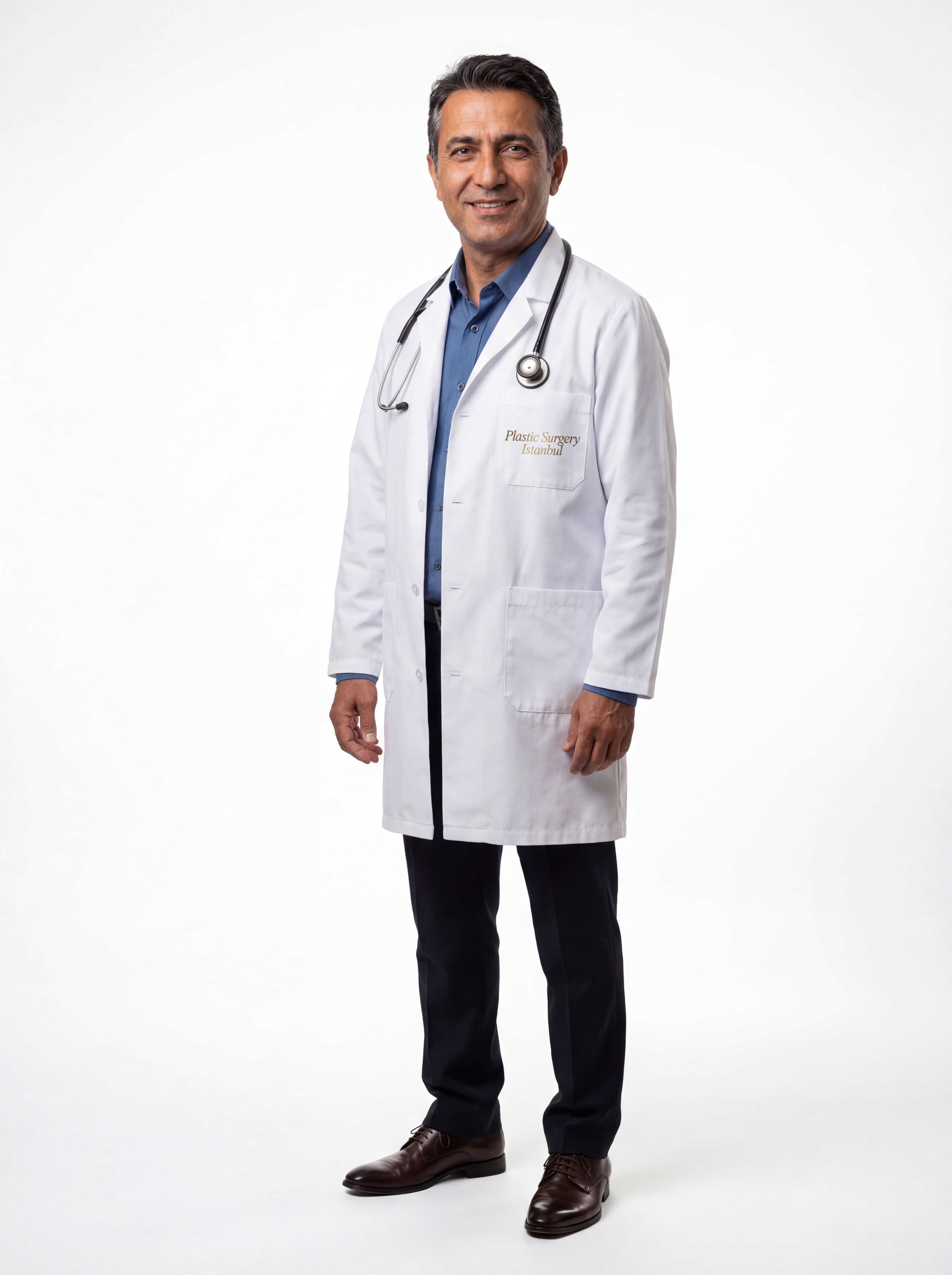
Every risk-mitigation protocol described on this page is developed and implemented by Prof. Dr. Mehmet Kaan Uçar — a board-certified plastic surgeon with over 20 years of specialized expertise in periorbital surgery. His complication rate of under 1.5% places him among the safest blepharoplasty surgeons globally — a distinction earned through rigorous technique refinement, meticulous patient screening, and an unwavering commitment to surgical safety.
Prof. Dr. Uçar is an active ISAPS member (International Society of Aesthetic Plastic Surgery), representing the global top 5% of plastic surgeons. His approach to blepharoplasty safety is comprehensive: from detailed pre-operative screening (including ophthalmologic assessment, tear function testing, and digital imaging) to conservative surgical technique (preserving maximum tissue while achieving optimal aesthetics) to structured post-operative monitoring (daily check-ins for the first week, milestone follow-ups for 12 months).
- Board-Certified Plastic Surgeon — 20+ Years Experience
- ISAPS Member (International Society of Aesthetic Plastic Surgery)
- 10,000+ Successful Aesthetic Procedures
- <1.5% Blepharoplasty Complication Rate
- JCI-Accredited Hospital Operating Privileges
- Published Researcher in Periorbital Surgery
Your Safe Blepharoplasty Journey at Plastic Surgery Istanbul
Free Risk Assessment Consultation
Submit your photos and medical history. Prof. Dr. Uçar provides a personalized risk assessment, discusses any contraindications, and creates your surgical plan with exact all-inclusive pricing — within 24 hours.
Pre-Surgery Safety Optimization
Follow the pre-surgery protocol: stop blood thinners, quit smoking, complete blood work and eye examination. Your coordinator guides you through every step to ensure you arrive in optimal surgical condition.
VIP Arrival in Istanbul
Private airport transfer to your 5-star hotel. Meet your dedicated patient coordinator who manages every detail of your stay, recovery, and any concerns that arise.
Surgery Day at JCI-Accredited Hospital
Blepharoplasty performed by Prof. Dr. Uçar under local anesthesia with IV sedation. Continuous monitoring by dedicated anesthesiologist. 4-hour post-operative monitoring before discharge.
Supervised Recovery & Monitoring
Daily check-ins with your coordinator and surgeon for the first 5 days. Emergency contact available 24/7. Detailed written guide for distinguishing normal symptoms from warning signs.
12-Month Follow-Up Program
After returning home, receive structured virtual follow-up at Week 2, Month 1, Month 3, Month 6, and Month 12. Any concerns addressed promptly through direct surgeon access.
Frequently Asked Questions: Blepharoplasty Risks & Safety
The most common complication of blepharoplasty is temporary dry eyes, affecting 30–50% of patients for 2–6 weeks after surgery. This is managed with preservative-free artificial tears and lubricating ointment. While technically a 'complication,' it's more accurately described as an expected temporary side effect that resolves without long-term consequences in the vast majority of patients.
Get Your Free Blepharoplasty Consultation
Submit your photos and medical history. Prof. Dr. Uçar will provide your personalized risk assessment, surgical plan, and exact all-inclusive pricing — within 24 hours.