How Long Does Blepharoplasty Last? The Complete Longevity Guide
Blepharoplasty delivers permanent structural changes — removed skin, fat, and muscle tissue does not grow back. Most patients enjoy their results for 10–15+ years before any signs of re-aging become noticeable. Prof. Dr. Mehmet Kaan Uçar's microsurgical technique maximizes result longevity by preserving critical support structures while achieving natural, lasting rejuvenation.
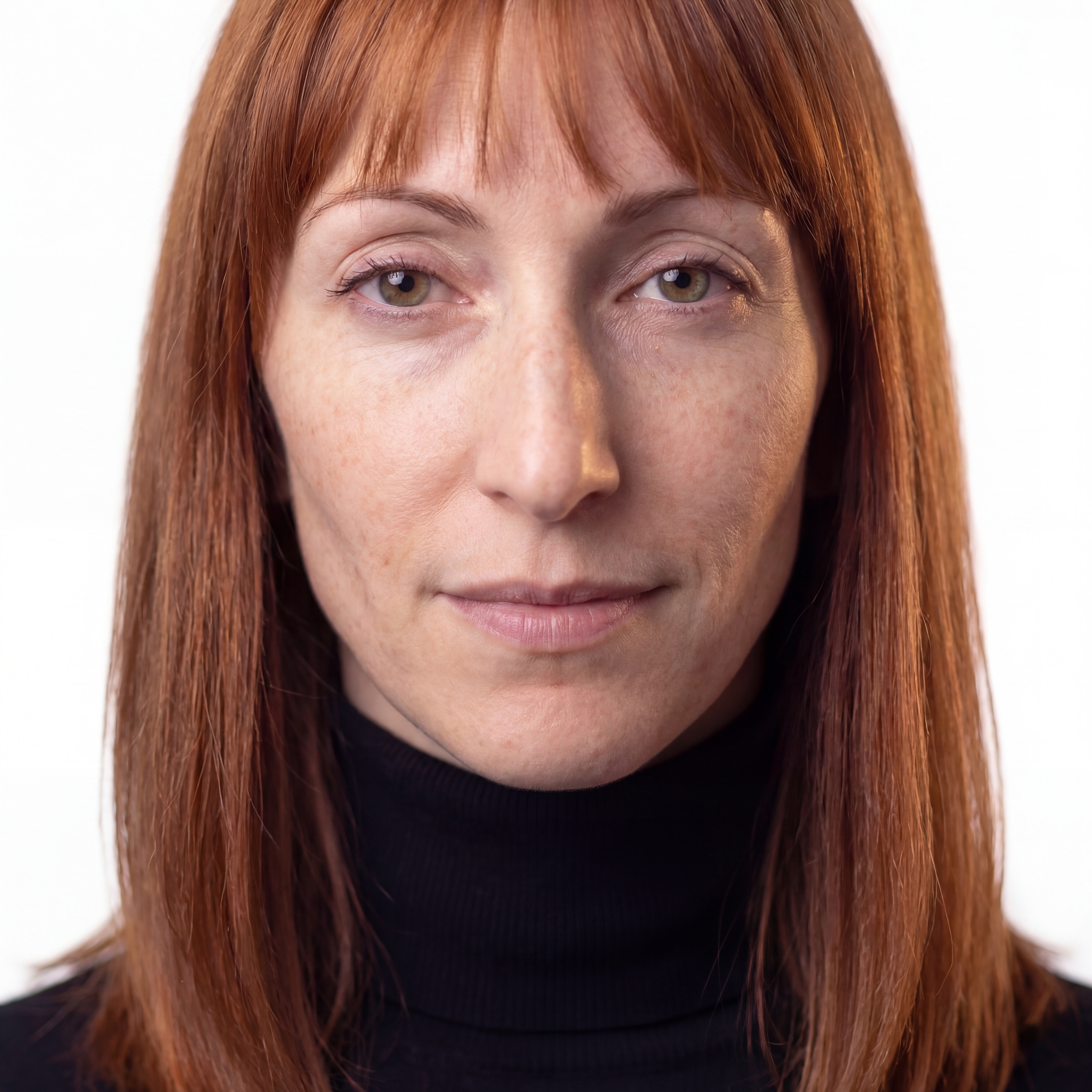
Results Last 10–15+ Years
Permanent Tissue Removal
How Long Do Blepharoplasty Results Really Last?
Blepharoplasty results are permanent in terms of the tissue removed — skin, fat, and muscle excised during surgery do not regenerate. However, natural aging continues. Upper blepharoplasty results typically last 10–15 years before re-drooping may become noticeable. Lower blepharoplasty results often last even longer — 15–20+ years — because fat pad repositioning and skin tightening in the lower lid area is less affected by gravity over time.
How long does blepharoplasty last? This is the most frequently asked question by patients considering eyelid surgery — and the answer requires understanding what exactly happens during the procedure and how aging affects your results over time. At Plastic Surgery Istanbul, we believe informed patients make better decisions, which is why we provide complete transparency about result longevity, factors that affect duration, and what you can do to maximize your investment.
The key principle is straightforward: blepharoplasty removes tissue permanently. When Prof. Dr. Mehmet Kaan Uçar excises excess skin from your upper eyelids, trims or repositions protruding fat pads, or tightens the lower lid area, those structural changes are permanent. The removed tissue does not grow back. What does continue, however, is the natural aging process — gravity, sun exposure, and collagen loss gradually affect all facial tissues, including the eyelids.
Clinical data from the Aesthetic Surgery Journal and ASPS (American Society of Plastic Surgeons) consistently shows that upper blepharoplasty results remain satisfactory for 10–15 years in the majority of patients, while lower blepharoplasty results frequently last 15–20+ years. These timeframes are significantly longer than most non-surgical alternatives (Botox lasts 3–4 months, filler lasts 6–12 months), making blepharoplasty one of the most cost-effective and long-lasting facial rejuvenation procedures available.
Prof. Dr. Uçar's microsurgical technique is specifically designed to maximize longevity. By preserving the orbicularis oculi muscle integrity, maintaining proper lid tension, and using precise tissue excision (removing exactly the right amount — not too much, not too little), his results age gracefully and naturally. This technical precision is why his patients consistently report satisfaction 10+ years after their procedure.
Upper vs. Lower Blepharoplasty: Which Lasts Longer?
Lower blepharoplasty generally lasts longer than upper blepharoplasty. Upper eyelid results last 10–15 years because gravity continuously pulls upper lid skin downward. Lower eyelid results last 15–20+ years because fat repositioning addresses the root cause of under-eye bags, and the lower lid is less affected by gravitational descent.
Upper Blepharoplasty: 10–15 Year Longevity
Upper blepharoplasty removes excess skin (dermatochalasis) and sometimes orbital fat from the upper eyelid. Results are immediately dramatic — hooded eyelids become open, bright, and defined. The removed tissue is permanent, but the upper eyelid is particularly susceptible to gravitational descent because it's the most mobile structure on the face (blinking 15,000–20,000 times per day). Over 10–15 years, the remaining skin gradually loses elasticity and may begin to droop again. Factors that accelerate this include sun damage, smoking, genetics, and significant weight fluctuations. Most patients don't consider revision until 12–15 years after their initial procedure.
Lower Blepharoplasty: 15–20+ Year Longevity
Lower blepharoplasty addresses under-eye bags (fat herniation), excess skin, and hollowness. Prof. Dr. Uçar primarily uses fat transposition rather than fat removal — repositioning the protruding fat to fill the tear trough and create a smooth, youthful under-eye contour. This technique produces longer-lasting results because it addresses the anatomical root cause rather than just removing tissue. The fat, once repositioned and secured, remains stable for decades. Additionally, the lower eyelid is less affected by repetitive motion and gravity compared to the upper lid. Many patients enjoy their lower blepharoplasty results for 15–20 years or longer before any revision consideration.
Combined Upper + Lower: Maximum Value
Combined blepharoplasty (upper + lower performed simultaneously) offers the most comprehensive eye rejuvenation with the longest-lasting overall impact. By addressing both areas in a single session, Prof. Dr. Uçar creates a harmonious, balanced result that ages cohesively. Combined procedures are also more cost-effective: the all-inclusive price at Plastic Surgery Istanbul starts from $2,200 — compared to $8,000–$15,000 in the US for the same dual procedure. Patients who invest in combined blepharoplasty typically don't require any revision for 12–15 years, making it one of the highest-value aesthetic investments available.
7 Factors That Affect How Long Blepharoplasty Results Last
The main factors affecting blepharoplasty longevity are: surgical technique (precision vs. aggressive), genetics and skin type, sun exposure (UV accelerates aging 3–5x), smoking status (reduces longevity by 30–40%), overall health and nutrition, weight stability, and skincare routine. Patients who protect from UV, don't smoke, and maintain a healthy lifestyle enjoy results 3–5 years longer than average.
1. Surgical Technique — The Foundation of Longevity
The surgeon's technique is the single most important factor determining how long your blepharoplasty results last. Conservative, precise tissue removal preserves structural support and ages naturally. Over-aggressive removal creates a hollow, 'operated' look that worsens over time. Prof. Dr. Uçar's microsurgical approach uses magnification to identify and preserve the orbicularis oculi muscle fibers, maintains proper canthal tension, and excises the exact optimal amount of tissue — not a millimeter more. This precision-first philosophy produces results that look natural at Year 1 and still look natural at Year 15.
2. Genetics & Skin Type
Your genetic predisposition significantly influences how quickly your skin ages after blepharoplasty. Patients with naturally thicker, more elastic skin (common in Mediterranean, Asian, and African-American skin types) tend to enjoy longer-lasting results — their collagen and elastin production remains higher for longer. Patients with very thin, fair skin (common in Northern European heritage) may see gradual changes earlier. Genetics also determine your tendency to develop fat herniation (under-eye bags) — some families are genetically predisposed regardless of age. Understanding your genetic profile helps Prof. Dr. Uçar tailor the procedure for maximum longevity.
3. Sun Exposure — The #1 Aging Accelerator
UV radiation is responsible for up to 80% of visible facial aging (photoaging). After blepharoplasty, unprotected sun exposure can accelerate the breakdown of collagen and elastin fibers in your eyelid skin by 3–5x compared to protected skin. This directly shortens result longevity. The prescription is simple: apply SPF 30+ broad-spectrum sunscreen to the periorbital area daily — even on cloudy days, even in winter. Wear quality UV-blocking sunglasses. This single habit can extend your blepharoplasty results by 3–5 additional years.
4. Smoking — Reduces Longevity by 30–40%
Smoking (including vaping) is the second most destructive factor after UV exposure. Nicotine causes chronic vasoconstriction, reducing oxygen delivery to skin by 30–50%. This accelerates collagen breakdown, produces thinner, less elastic skin, and causes premature aging around the eyes specifically. Studies show smokers experience blepharoplasty result degradation 30–40% faster than non-smokers. If you invest in blepharoplasty, quitting smoking permanently is the highest-ROI lifestyle change you can make for your results.
5. Overall Health & Nutrition
Your systemic health directly affects tissue quality and longevity. Conditions like uncontrolled diabetes impair collagen synthesis. Chronic dehydration reduces skin plumpness and elasticity. Poor nutrition deprives tissues of essential building blocks. Conversely, patients who maintain adequate protein intake (1–1.2g/kg/day), consume antioxidant-rich foods (vitamins A, C, E), stay well-hydrated (2–3L daily), and get adequate sleep (7–8 hours) consistently enjoy longer-lasting results. A healthy lifestyle doesn't just extend blepharoplasty longevity — it improves every aspect of aging.
6. Weight Stability
Significant weight fluctuations (gaining or losing 10+ kg/22+ lbs repeatedly) affect facial fat distribution, including the periorbital area. Weight gain can increase fat pad volume in the eyelids, while weight loss can create hollowing. Both scenarios alter the aesthetic balance achieved during blepharoplasty. Patients who maintain a stable, healthy weight after their procedure enjoy more consistent, longer-lasting results. This doesn't mean you can never change weight — moderate fluctuations (5–7 kg) are generally well-tolerated.
7. Skincare Routine — Compound Interest for Your Results
A consistent, evidence-based skincare routine acts as compound interest for your blepharoplasty results. Key ingredients that support eyelid skin longevity: Retinol (stimulates collagen production, increases cell turnover), vitamin C serum (antioxidant protection, brightening), peptides (support skin structure), and hyaluronic acid (maintains hydration). Apply a dedicated eye cream with these ingredients nightly. Combined with daily SPF, a quality skincare routine can extend your blepharoplasty results by 2–4 years versus no skincare routine.
Blepharoplasty vs. Non-Surgical Alternatives: Longevity Comparison
| Treatment | Duration | Annual Cost | Structural Change |
|---|---|---|---|
| Blepharoplasty (Surgery) | 10–15+ years | $150–$350/year* | Yes — permanent tissue removal |
| Botox (Brow Area) | 3–4 months | $1,200–$2,400/year | No — temporary muscle relaxation |
| Dermal Fillers (Tear Trough) | 6–12 months | $1,500–$3,000/year | No — temporary volume addition |
| CO2 Laser Resurfacing | 2–3 years | $1,000–$2,000/year | Partial — skin texture only |
| Radiofrequency (Thermage) | 12–18 months | $2,000–$4,000/year | No — temporary tightening |
| Thread Lift (PDO) | 12–18 months | $2,000–$3,000/year | Minimal — temporary lift |
*Turkey all-inclusive blepharoplasty cost amortized over 10–15 years.
How Long Will Your Results Last?
Submit your photos and Prof. Dr. Uçar will assess your skin type, tissue quality, and expected result longevity — along with your exact all-inclusive pricing.
How to Maximize Your Blepharoplasty Results: Expert Protocol
Maximize blepharoplasty longevity with: daily SPF 30+ sunscreen (extends results 3–5 years), quality UV sunglasses, retinol-based eye cream (nightly), no smoking, stable weight maintenance, adequate sleep (7–8 hours), hydration (2–3L daily), and annual skin health assessments. These combined habits can extend results from an average of 10–12 years to 15+ years.
Daily SPF Protection — The Most Impactful Habit
Apply broad-spectrum SPF 30+ sunscreen to your entire face, including the periorbital area, every morning — regardless of weather or season. UV exposure is responsible for up to 80% of skin aging. A mineral-based sunscreen (zinc oxide or titanium dioxide) is gentlest around the delicate eye area. Reapply every 2 hours during prolonged outdoor exposure. Pair with quality UV-blocking sunglasses (look for UV400 or 100% UV protection labels). This single habit is the most impactful thing you can do to extend your blepharoplasty results — potentially adding 3–5 years of longevity.
Evidence-Based Eye Skincare Routine
Build a targeted eye area skincare routine with clinically proven ingredients: Evening: Retinol 0.25–0.5% eye cream (stimulates collagen, increases cell turnover — start low, increase gradually), vitamin C serum (L-ascorbic acid 10–15%), peptide-based eye cream. Morning: Antioxidant serum, hyaluronic acid for hydration, SPF. Avoid harsh rubbing — use your ring finger (lightest pressure) for product application around the eyes. Consistent use of retinol + vitamin C + SPF can reduce the rate of periorbital aging by 40–60% compared to no skincare routine.
Lifestyle Optimization for Long-Term Results
Your overall lifestyle quality directly impacts how long your blepharoplasty results last. Sleep: 7–8 hours nightly — sleep deprivation accelerates skin aging by increasing cortisol (which breaks down collagen). Sleep on your back to avoid compressing eyelid tissue. Hydration: 2–3L water daily — dehydrated skin ages faster and loses elasticity. Nutrition: Mediterranean diet rich in antioxidants, omega-3 fatty acids, and lean protein. Stress management: Chronic stress elevates cortisol, accelerating aging. Exercise: Regular moderate exercise improves circulation, supporting skin health and collagen production.
Annual Skin Health Assessment
Schedule an annual skin assessment with a qualified dermatologist or your plastic surgeon. These check-ups monitor your eyelid tissue quality, skin elasticity, and early signs of re-aging — allowing proactive intervention before significant changes develop. Prof. Dr. Uçar offers virtual follow-up assessments for his international patients, reviewing comparison photos and providing updated skincare recommendations. Minor non-surgical touch-ups (such as a small amount of Botox or laser treatment) applied strategically can extend your surgical results by several additional years without requiring revision surgery.
When Might You Need Revision Blepharoplasty?
Revision blepharoplasty is typically considered 10–15 years after the initial procedure when natural aging produces new skin laxity. Signs that revision may be beneficial include: upper eyelid skin touching or covering the lash line, return of under-eye bags or puffiness, visual field obstruction from drooping lids, and asymmetry that wasn't present previously. Revision is a simpler, quicker procedure than the original surgery.
Signs It May Be Time for Revision
Most patients don't consider revision for 10–15 years after their initial blepharoplasty. When the time comes, common indicators include: upper eyelid skin beginning to touch or cover the eyelash line again, return of a 'tired' or 'heavy' appearance around the eyes, reappearance of mild under-eye bags or puffiness, difficulty applying eye makeup due to excess skin, and — in more advanced cases — functional impairment where drooping skin partially obstructs the visual field. These changes develop gradually over years, giving you ample time to plan a revision at your convenience.
Revision Blepharoplasty: Simpler Than the Original
Revision blepharoplasty is typically a shorter, simpler procedure than the original surgery. Because the anatomical structures have already been addressed and scar tissue provides additional structural support, revision usually involves removing a modest amount of new excess skin with minimal fat adjustment. Operating time is typically 30–45 minutes (vs. 60–90 minutes for primary blepharoplasty), recovery is faster (social recovery in 5–7 days), and results are immediate. At Plastic Surgery Istanbul, revision blepharoplasty is available as an all-inclusive package starting from $2,500 — significantly less than primary blepharoplasty costs in the US.
Non-Surgical Alternatives Before Revision
Before committing to revision surgery, several non-surgical options can extend your results for 1–3 additional years: Botox for the brow area can provide a subtle lift to the upper eyelid, compensating for mild skin laxity. Radiofrequency treatments (Thermage or Forma) can tighten periorbital skin without surgery. CO2 laser resurfacing can improve skin texture and mild laxity. Prof. Dr. Uçar evaluates each patient individually during virtual consultations, recommending the most appropriate and cost-effective approach — whether that's non-surgical maintenance, a minor touch-up, or full revision surgery.
Blepharoplasty Cost: Turkey vs. USA — Long-Term Value Analysis
All-inclusive blepharoplasty in Turkey costs $1,500–$3,500 including surgery, JCI-accredited hospital, 5-star hotel, transfers, and 12-month follow-up. The same procedure in the USA costs $4,000–$15,000 for surgery alone. Over 10–15 years of result longevity, Turkey blepharoplasty costs as little as $100–$350 per year — the best value in facial rejuvenation.
| Procedure | Turkey (All-Inclusive) | USA (Surgery Only) | Savings |
|---|---|---|---|
| Upper Blepharoplasty | $1,500–$2,000 | $4,000–$7,000 | 65–75% |
| Lower Blepharoplasty | $1,800–$2,500 | $5,000–$8,500 | 65–70% |
| Combined Upper + Lower | $2,200–$3,500 | $8,000–$15,000 | 70–80% |
| Revision Blepharoplasty | $2,500–$4,000 | $7,000–$15,000 | 65–75% |
Upper Blepharoplasty
From $1,500
- Upper eyelid surgery by Prof. Dr. Uçar
- JCI-accredited hospital
- All medications & aftercare kit
- 5-star hotel (2 nights)
- VIP airport transfers
- 24/7 patient coordinator
- 12-month follow-up program
- Results lasting 10–15+ years
Combined Blepharoplasty
From $2,200
- Upper + lower eyelid surgery
- JCI-accredited hospital + overnight
- All medications & scar care
- 5-star hotel (3 nights)
- VIP airport transfers
- Dedicated patient coordinator
- 12-month follow-up program
- Results lasting 12–15+ years
Full Eye Rejuvenation
From $3,500
- Upper + lower blepharoplasty + brow lift
- JCI-accredited hospital
- Comprehensive care package
- 5-star hotel (4 nights)
- VIP transfers & city tour
- Personal concierge service
- Lifetime follow-up support
- Maximum longevity results
Blepharoplasty Cost: Turkey vs. Major US Cities
New York, NY
US Cost: $6,000–$12,000
Save 75–85%
Los Angeles, CA
US Cost: $5,500–$10,000
Save 70–85%
Miami, FL
US Cost: $4,500–$9,000
Save 65–80%
Chicago, IL
US Cost: $4,000–$8,500
Save 65–80%
Houston, TX
US Cost: $4,000–$8,000
Save 65–80%
Boston, MA
US Cost: $5,000–$10,000
Save 70–85%
San Francisco, CA
US Cost: $6,000–$11,000
Save 75–85%
Atlanta, GA
US Cost: $4,000–$8,000
Save 65–80%
Your Blepharoplasty Specialist: Prof. Dr. Mehmet Kaan Uçar
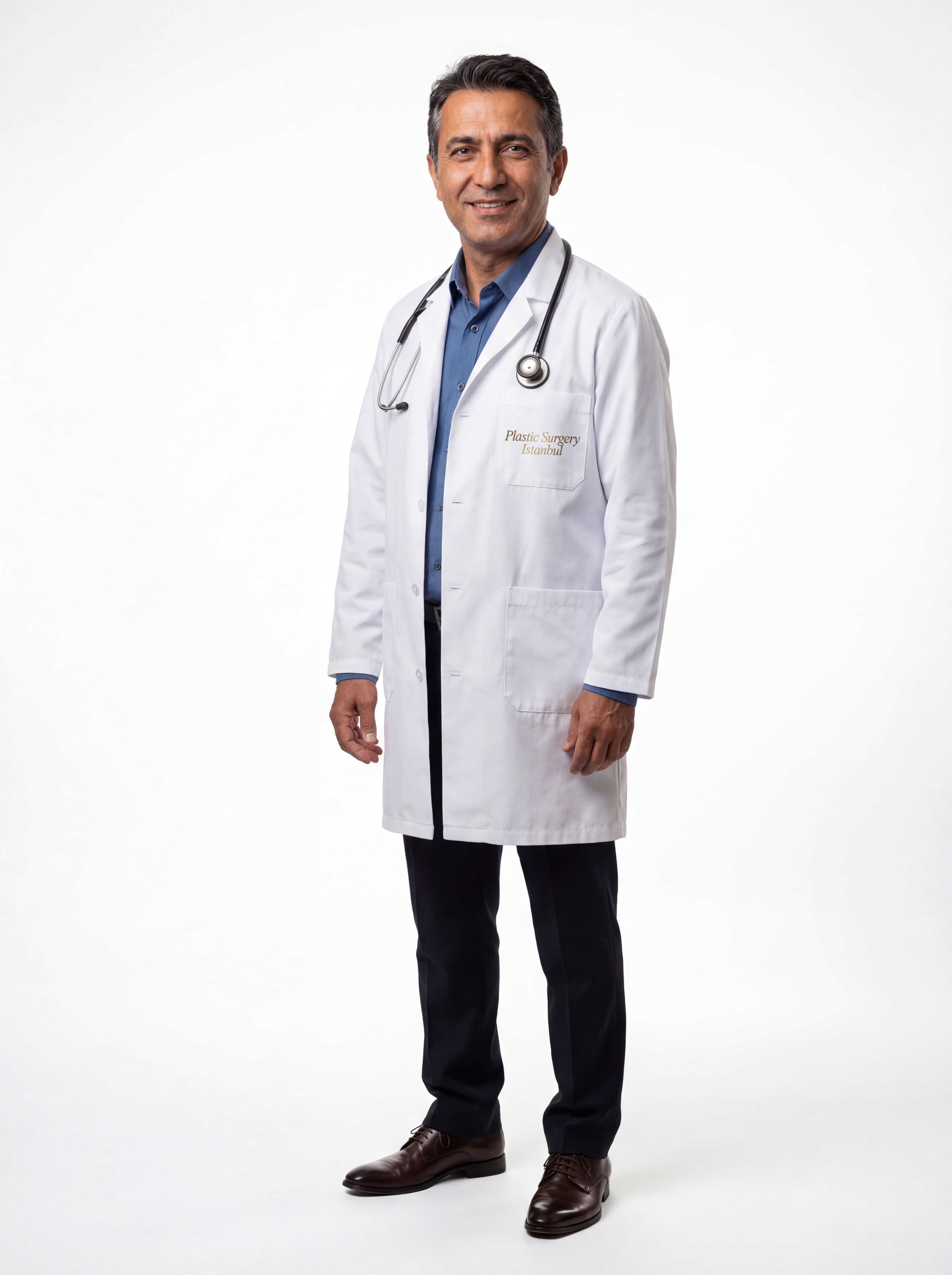
Every longevity-maximizing technique described on this page is performed by Prof. Dr. Mehmet Kaan Uçar — a board-certified plastic surgeon with over 20 years of specialized expertise in periorbital surgery. His microsurgical approach prioritizes long-term result stability: precise tissue excision, muscle preservation, and structural support maintenance ensure results that look natural at Year 1 and continue looking natural at Year 15.
Prof. Dr. Uçar is an active ISAPS member (International Society of Aesthetic Plastic Surgery), representing the global top 5% of plastic surgeons. His patients consistently report satisfaction rates exceeding 95% at 5-year follow-up — a testament to his technique-first philosophy and comprehensive aftercare protocol.
- Board-Certified Plastic Surgeon — 20+ Years Experience
- ISAPS Member (International Society of Aesthetic Plastic Surgery)
- 10,000+ Successful Aesthetic Procedures
- Microsurgical Technique for Maximum Longevity
- JCI-Accredited Hospital Operating Privileges
- Published Researcher in Periorbital Surgery
Your Blepharoplasty Journey at Plastic Surgery Istanbul
Free Online Consultation
Submit your photos and receive a personalized assessment including recommended procedure, expected longevity based on your skin type, and exact all-inclusive pricing from Prof. Dr. Uçar within 24 hours.
Pre-Surgery Optimization
Follow our evidence-based pre-surgery protocol: begin supplements, stop blood thinners, optimize nutrition for best healing and longest-lasting results.
VIP Arrival in Istanbul
Private airport transfer to your 5-star hotel. Meet your dedicated patient coordinator who manages every detail of your stay, surgery, and recovery.
Surgery Day
Blepharoplasty at JCI-accredited hospital by Prof. Dr. Uçar using microsurgical technique designed for maximum longevity. 45–90 minute procedure under local anesthesia with sedation.
Guided Recovery in Istanbul
Daily coordinator check-ins, suture removal at Day 3–5, comprehensive aftercare kit with longevity-optimizing products (silicone scar gel, SPF, eye cream).
Lifetime Follow-Up Program
Structured virtual follow-ups at Week 2, Month 1, Month 3, Month 6, Month 12, and annual check-ins. We monitor your results for years to come.
Frequently Asked Questions: Blepharoplasty Longevity
Blepharoplasty results are permanent in terms of tissue removed — it doesn't grow back. Upper blepharoplasty results typically last 10–15 years before natural aging may produce new skin laxity. Lower blepharoplasty results often last 15–20+ years. With proper skincare (daily SPF, retinol) and healthy lifestyle, many patients enjoy their results even longer.
Related Blepharoplasty Guides
Get Your Free Blepharoplasty Consultation
Submit your photos and receive a personalized assessment of your expected result longevity, recommended procedure, and exact all-inclusive pricing within 24 hours.