Asian Blepharoplasty Turkey: Ethnically-Sensitive Eyelid Surgery Cost, Results & Recovery
Asian blepharoplasty in Turkey delivers natural, ethnically-harmonious eyelid transformations — from crease creation to epicanthoplasty — at 65–80% less than US pricing. All-inclusive packages from $1,800 at JCI-accredited hospitals with ISAPS-certified surgeons who specialize in Asian periorbital anatomy.
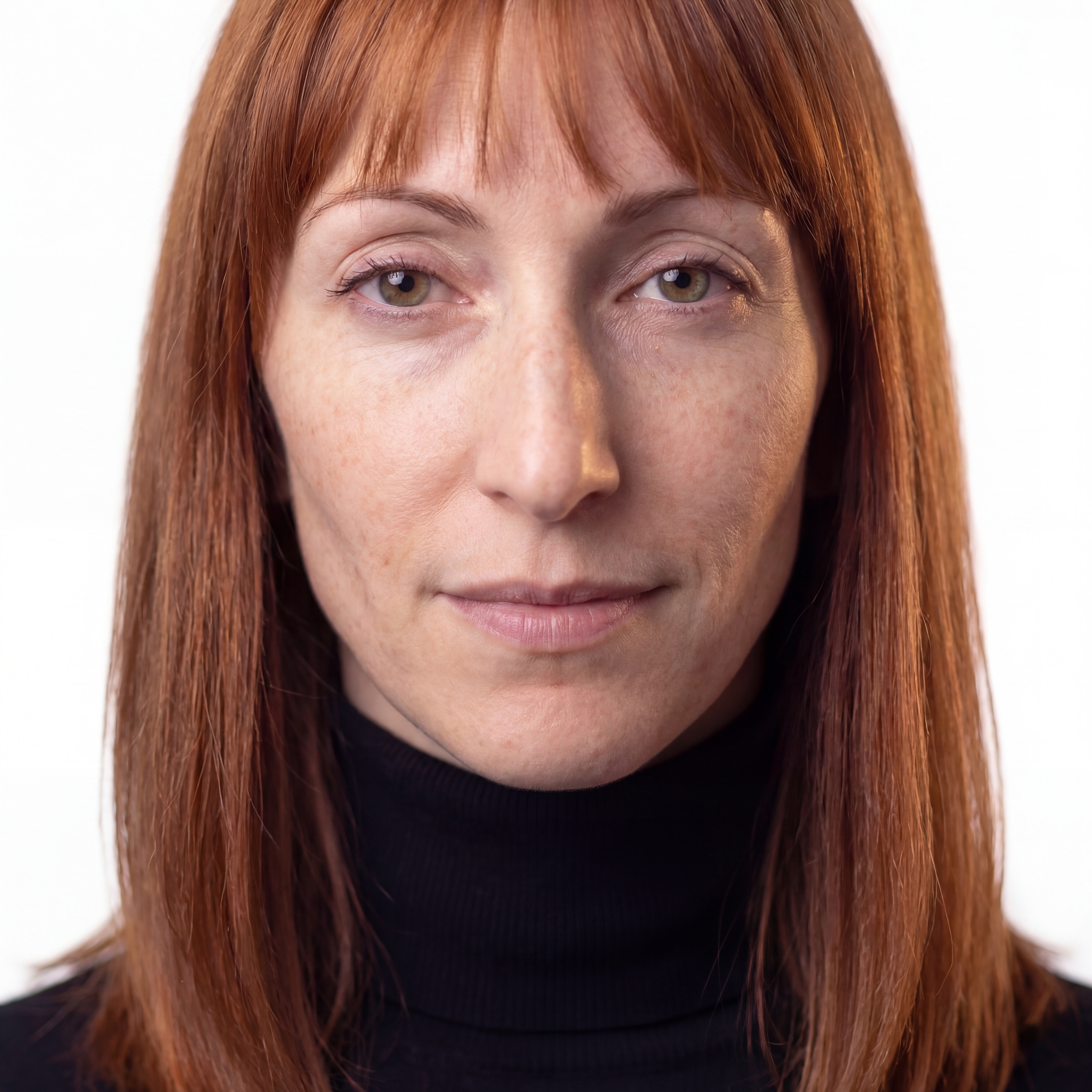
From $1,800
All-Inclusive Package
What Is Asian Blepharoplasty and Why Is Turkey a Leading Destination?
Asian blepharoplasty is a specialized eyelid surgery designed for patients of East Asian, Southeast Asian, and mixed heritage backgrounds. It encompasses crease creation on monolids, crease refinement, epicanthoplasty, and ptosis correction — all tailored to Asian periorbital anatomy. Turkey ranks among the world's top 3 destinations for Asian blepharoplasty because JCI-accredited Istanbul hospitals deliver results equivalent to top Korean and US clinics at 65–80% lower cost.
Asian blepharoplasty in Turkey has become one of the fastest-growing segments of Istanbul's medical tourism industry — and the growth is driven by a simple equation: world-class surgical expertise at a fraction of US or Korean pricing. Unlike standard Western blepharoplasty that focuses primarily on removing excess skin, Asian blepharoplasty addresses the unique anatomical characteristics of the Asian eyelid — including the absence or variability of the supratarsal crease, fuller pre-septal fat pads, a lower-sitting orbicularis muscle, and the presence of the epicanthal fold. These anatomical differences demand specialized surgical knowledge that goes beyond general plastic surgery training.
Turkey performs over 50,000 blepharoplasty procedures annually — more than any European country — giving Istanbul's top surgeons exceptional case volume across all eyelid surgery variants. While South Korea has historically dominated the Asian blepharoplasty market, Turkey has emerged as a compelling alternative: comparable surgical expertise at 40–60% lower cost than Seoul, with the added advantage of JCI-accredited hospital infrastructure that meets US safety standards. For American patients of Asian descent, Istanbul offers a combination that no other destination can match — top-tier results, significant cost savings, and Western-standard safety protocols.
At Plastic Surgery Istanbul, our lead surgeon Prof. Dr. Mehmet Kaan Uçar brings over 20 years of periorbital and facial surgery expertise with active ISAPS membership — placing him in the global top 5% of plastic surgeons. His approach to Asian blepharoplasty is rooted in the principle of ethnic preservation: enhancing natural beauty while respecting and maintaining the distinctive features that define Asian eye aesthetics. Our all-inclusive packages start from $1,800 — covering surgeon's fee, JCI hospital, anesthesia, 5-star hotel in Nişantaşı, VIP airport transfers, and 12-month structured aftercare.
Is Asian Blepharoplasty Right for You?
Free video consultation with Prof. Dr. Uçar — personalized anatomy assessment, crease design simulation, and exact pricing for your case.
Understanding Asian Eyelid Anatomy: Why Specialized Surgery Matters
Asian eyelid anatomy differs from Caucasian eyelids in 5 key ways: (1) absent or low-set supratarsal crease (monolid), (2) fuller pre-septal fat pads creating eyelid puffiness, (3) lower insertion of the orbital septum, (4) lower-positioned orbicularis oculi muscle, and (5) presence of the epicanthal fold in ~50% of East Asian individuals. These differences require a surgeon trained specifically in Asian periorbital anatomy.
Supratarsal Crease Variability
Approximately 50% of East Asians have a monolid — an eyelid without a visible supratarsal crease. The remaining 50% have variable crease heights and configurations. Asian blepharoplasty must account for this spectrum, creating or refining a crease that looks naturally appropriate for the individual's facial proportions and ethnic background.
Pre-Septal Fat Distribution
Asian upper eyelids typically contain more pre-septal fat than Caucasian eyelids, contributing to a fuller, 'puffier' appearance. The surgeon must decide how much fat to preserve, reposition, or remove — a decision that dramatically affects the final aesthetic. Too much removal creates a hollow, unnatural look; too little preservation leaves residual puffiness.
Orbital Septum Position
In Asian eyelids, the orbital septum fuses with the levator aponeurosis lower than in Caucasian eyelids. This anatomical difference means that the crease-forming mechanism is fundamentally different — and the surgical technique must account for this to create a stable, lasting crease.
Orbicularis Oculi Muscle
The orbicularis muscle in Asian eyelids tends to be thicker and positioned lower relative to the tarsal plate. During Asian blepharoplasty in Turkey, Prof. Dr. Uçar carefully manages this muscle layer to create a defined crease without excessive bulk or an unnatural contour.
Epicanthal Fold
Present in approximately 50–80% of East Asian individuals, the epicanthal fold covers the medial canthus (inner corner of the eye). When prominent, it can make the eyes appear closer together and smaller. Epicanthoplasty — a procedure that opens the inner eye corner — is often combined with Asian blepharoplasty for a more comprehensive transformation.
Who Is an Ideal Candidate for Asian Blepharoplasty in Turkey?
Ideal candidates for Asian blepharoplasty include adults with monolids desiring crease creation, patients with asymmetric eyelid creases, individuals wanting crease height adjustment, patients with puffy eyelids due to excess pre-septal fat, and those with prominent epicanthal folds seeking a wider eye appearance. Candidates should be 18+ with realistic expectations about preserving ethnic identity.
Monolid Patients Seeking Natural Crease Creation
The most common indication for Asian blepharoplasty is crease creation on monolid eyes. Prof. Dr. Uçar discusses crease height (low: 5–6mm, medium: 7–8mm, high: 9–10mm) and shape (tapered vs. parallel) to create a result that enhances without Westernizing.
Asymmetric Eyelid Creases
Many patients of Asian heritage have one eye with a crease and one without, or creases at different heights. Asian blepharoplasty in Turkey can establish perfectly matched, symmetrical creases — a technically demanding procedure that requires meticulous bilateral assessment.
Puffy Upper Eyelids (Pre-Septal Fat Excess)
Excessive pre-septal fat creates a puffy, heavy-looking upper eyelid that conceals the lash line. Asian blepharoplasty can selectively reduce this fat while creating or enhancing the crease — resulting in a more defined, alert eye appearance.
Prominent Epicanthal Folds
Patients with significant epicanthal folds may benefit from combining Asian blepharoplasty with epicanthoplasty. This combination widens the visible eye aperture and creates a more open, defined appearance while maintaining natural ethnic harmony.
Patients Seeking Ethnic-Preserving Enhancement
Modern Asian blepharoplasty is not about creating a 'Western' eye — it's about enhancing your natural features. The best candidates understand that the goal is a more defined, refreshed version of your own eyes, not a fundamentally different eye shape.
Asian Blepharoplasty Techniques: Comprehensive Options in Turkey
Asian blepharoplasty techniques available in Turkey include: (1) Non-incisional buried suture technique for thin eyelids and subtle crease creation, (2) Full incisional technique for permanent crease creation with fat sculpting, (3) Partial incision hybrid method, (4) Asian blepharoplasty with epicanthoplasty for wider eye opening, and (5) Asian blepharoplasty with ptosis correction for drooping eyelids.
Non-Incisional Buried Suture Asian Blepharoplasty
The least invasive technique, using permanent buried sutures passed through tiny puncture points to create a supratarsal crease. No external incision means no visible scar and faster recovery (3–5 days). The sutures connect the eyelid skin to the levator muscle, mimicking the natural crease mechanism. Best results in patients with thin eyelid skin and minimal pre-septal fat.
Full Incisional Asian Blepharoplasty
The gold-standard technique for permanent, fully customizable crease creation. A precise incision along the planned crease line allows the surgeon to remove excess skin, sculpt pre-septal fat, debulk the orbicularis muscle if needed, and create a robust crease fixation between the skin and levator aponeurosis. This technique produces the most reliable, permanent results — especially for patients with thicker, fuller eyelids.
Partial Incision Asian Blepharoplasty
A hybrid approach combining the benefits of both techniques. A small central incision (10–15mm) allows targeted fat removal and muscle debulking, while the medial and lateral crease are formed with buried sutures. This reduces scarring while providing better control over puffy eyelids than the fully non-incisional method.
Asian Blepharoplasty with Epicanthoplasty
Combines crease creation with epicanthal fold correction — a procedure that opens the inner eye corner for a wider, more defined eye aperture. The epicanthoplasty technique used at Plastic Surgery Istanbul minimizes medial canthus scarring while effectively increasing the horizontal eye dimension by 2–4mm per eye.
Asian Blepharoplasty with Ptosis Correction
For patients whose drooping upper eyelids are caused by a weak levator muscle (ptosis) rather than excess skin, crease creation must be combined with levator advancement or plication. This addresses the functional and aesthetic issue simultaneously — opening the eye more fully while creating a defined crease.
Asian Blepharoplasty Turkey Cost: Complete 2026 Price Guide
Asian blepharoplasty in Turkey costs $1,800–$3,500 for all-inclusive packages in 2026. Standard: $1,800 (non-incisional, 4-night hotel). Premium: $2,500 (full incisional, Prof. Dr. Uçar, 5-night hotel). Elite: $3,500 (incisional + epicanthoplasty/ptosis, private nurse, lifetime aftercare). The same procedures cost $5,000–$12,000 in the US and $3,000–$8,000 in South Korea.
Standard
$1,800
- Board-certified surgeon
- Non-incisional (buried suture) technique
- JCI-accredited hospital in Nişantaşı
- Local anesthesia with sedation
- All medications included
- 4-night 5-star hotel
- VIP airport transfers (round-trip)
- English-speaking coordinator
- 12-month virtual aftercare
Premium
$2,500
- Everything in Standard, plus:
- Prof. Dr. Mehmet Kaan Uçar as lead surgeon
- Full incisional technique with fat sculpting
- 3D pre-operative eyelid imaging & simulation
- 5-night 5-star hotel (executive suite)
- 24/7 dedicated VIP concierge
- 24-month aftercare with direct surgeon access
Elite
$3,500
- Everything in Premium, plus:
- Epicanthoplasty or ptosis correction if indicated
- 6-night luxury hotel with suite upgrade
- Private nurse (first 48 hours)
- Medical-grade aftercare skincare kit
- Lifetime surgeon access & follow-up
The Asian blepharoplasty Turkey cost advantage is substantial compared to both the US and South Korea — the two most popular alternatives. In the US, Asian blepharoplasty costs $5,000–$12,000 for the surgeon's fee alone. Add the ambulatory surgical center ($1,500–$3,000), anesthesiologist ($800–$1,500), and follow-ups ($300–$600), and the true out-of-pocket cost approaches $8,000–$16,000. In Seoul, the same procedure runs $3,000–$8,000 — less than the US but still significantly more than Istanbul.
Our Istanbul all-inclusive pricing covers every element: surgeon's fee, JCI-accredited hospital, anesthesia, 5-star hotel accommodation (4–6 nights), VIP airport transfers, English-speaking coordinator, all medications, and 12–24 months of structured aftercare. No hidden fees, no surprise charges. The cost difference reflects Turkey's favorable exchange rate, lower operational overheads, and government medical tourism incentives — not any compromise in surgical quality or hospital standards.
For patients considering South Korea vs. Turkey for Asian blepharoplasty: Istanbul offers comparable surgical expertise at 40–60% lower cost, with the significant advantage of JCI-accredited hospital infrastructure (the same accreditation that Johns Hopkins and Mayo Clinic hold). Additionally, Istanbul's geographic position makes it accessible from both the US and Asia — with direct flights from major American and Asian cities.
Asian Blepharoplasty Cost: Turkey vs. Major US Cities
New York City
US cost: $7,000–$14,000
Istanbul: $1,800–$3,500
Save 74–87%
Los Angeles
US cost: $6,000–$12,000
Istanbul: $1,800–$3,500
Save 70–85%
San Francisco
US cost: $6,500–$13,000
Istanbul: $1,800–$3,500
Save 72–86%
Miami
US cost: $5,000–$10,000
Istanbul: $1,800–$3,500
Save 64–82%
Chicago
US cost: $5,000–$9,500
Istanbul: $1,800–$3,500
Save 64–81%
Houston
US cost: $4,500–$9,000
Istanbul: $1,800–$3,500
Save 60–80%
Boston
US cost: $6,000–$12,000
Istanbul: $1,800–$3,500
Save 70–85%
Seattle
US cost: $5,500–$11,000
Istanbul: $1,800–$3,500
Save 67–84%
Asian Blepharoplasty Recovery: Day-by-Day Timeline
Asian blepharoplasty recovery takes 5–10 days for initial healing. Non-incisional: swelling peaks day 2–3, resolves by day 5–7. Full incisional: swelling peaks day 2–4, sutures removed day 5–7, social presentability by day 10. Return to work: 5–7 days (non-incisional) or 7–10 days (incisional). Final crease position settles at 2–3 months.
Immediate Post-Surgery
Moderate swelling and tightness around the eyelids — the crease will appear higher and more prominent than the final result. Cold compresses applied regularly. Prescription eye drops and mild analgesics. Rest in your 5-star hotel in Nişantaşı with daily coordinator check-ins. Pain level: 2–3/10.
Peak Swelling & Initial Resolution
Swelling reaches maximum (especially incisional cases) then begins subsiding. Bruising transitions from purple to yellow-green. The crease is visible but still swollen above its final position. Light activity encouraged — gentle walks, light meals out. No bending or heavy lifting.
Suture Removal & Major Milestone
For incisional patients: fine sutures removed at the clinic — quick and nearly painless. Non-incisional patients are typically socially presentable by day 5. Most patients feel comfortable exploring Istanbul — shopping in Nişantaşı, dining out, visiting landmarks.
Return to Normal Activities
Most patients return to work and social life. Residual swelling is subtle and barely noticeable to others. The crease is settling toward its final position. Light makeup can be applied (with surgeon approval). First virtual follow-up with Prof. Dr. Uçar.
Progressive Crease Refinement
The crease continues to define and settle. Swelling is minimal. Resume exercise and all normal activities. For incisional patients, the scar is a fading pink line hidden within the crease fold.
Final Results
The crease has settled into its permanent position. Scars (if incisional) have faded to a nearly invisible fine line within the natural fold. The final height, shape, and symmetry are evident. Most patients report the result looks completely natural — as if they were born with a crease.
Asian Blepharoplasty Results: Natural, Ethnically-Harmonious Outcomes
Asian blepharoplasty results include: creation or refinement of a natural-looking supratarsal crease, enhanced eye openness and definition, improved eyelid symmetry, reduction of eyelid puffiness, and wider eye aperture (when combined with epicanthoplasty). Results are permanent with incisional technique and preserve the patient's ethnic identity.
The hallmark of exceptional Asian blepharoplasty results is invisibility — the crease should look like something you were born with, not something that was surgically created. This is the fundamental difference between a skilled Asian blepharoplasty surgeon and a general plastic surgeon: the ability to create a crease that harmonizes with your entire facial structure, eye shape, brow position, and ethnic features. At Plastic Surgery Istanbul, our philosophy is enhancement, never erasure — we make your eyes more defined and open while preserving the characteristics that make them distinctively yours.
Prof. Dr. Mehmet Kaan Uçar calibrates three critical parameters for each patient: crease height (measured in millimeters from the lash line — low, medium, or high), crease shape (tapered, which narrows toward the inner corner and appears most natural on Asian eyes, or parallel, which maintains consistent width for a more defined look), and crease depth (how pronounced the fold appears). These decisions are made collaboratively during the consultation, using 3D imaging to simulate outcomes before surgery.
The permanence of Asian blepharoplasty results depends on technique. Full incisional Asian blepharoplasty creates a permanent crease through direct tissue attachment — the results will not fade or disappear. Non-incisional (suture) technique is long-lasting (typically 5–15 years) but may gradually soften over time. For patients who prioritize permanence, we recommend the incisional approach (Premium/Elite packages). Our structured aftercare monitors healing and crease stability at 2 weeks, 1, 3, 6, and 12 months post-surgery.
Is Asian Blepharoplasty in Turkey Safe? Complete Risk Assessment
Asian blepharoplasty in Turkey is safe when performed by a board-certified plastic surgeon in a JCI-accredited hospital. Our complication rate is below 1.5% — matching top US and Korean facilities. Common temporary effects include swelling and bruising (resolve in 7–10 days). The most discussed risk, crease asymmetry, occurs in ~5% of cases worldwide and is easily correctable.
Safety is the paramount concern for international patients — particularly those traveling from the US — and the question deserves a direct, transparent answer. Asian blepharoplasty in Turkey, when performed by a board-certified surgeon in a JCI-accredited hospital, carries the same safety profile as the identical procedure at any top US medical center. JCI accreditation — the gold standard for international hospital quality — requires 1,200+ measurable standards covering patient safety, infection control, medication management, and emergency response. Our hospital in Nişantaşı holds this certification and is inspected on the same cycle as Johns Hopkins, Cleveland Clinic, and Massachusetts General Hospital.
At Plastic Surgery Istanbul, our specific complication rate for Asian blepharoplasty is below 1.5% — consistently lower than the published US average of 2–3% for blepharoplasty procedures. Our revision rate is below 1%. These metrics reflect three factors: Prof. Dr. Uçar's 20+ years of periorbital expertise, our JCI hospital infrastructure, and our conservative surgical philosophy that prioritizes natural-looking results over dramatic transformations.
The most common concern unique to Asian blepharoplasty is crease loss (with non-incisional technique) and crease asymmetry. Crease loss occurs when buried sutures loosen over time — this is why we recommend the incisional technique for patients who want guaranteed permanence. Crease asymmetry (one crease settling at a slightly different height) occurs in approximately 5% of all blepharoplasty cases worldwide and is typically self-correcting as swelling resolves. Persistent asymmetry is easily correctable with a minor revision. Our Elite package includes full revision coverage.
Your Surgeon: Prof. Dr. Mehmet Kaan Uçar
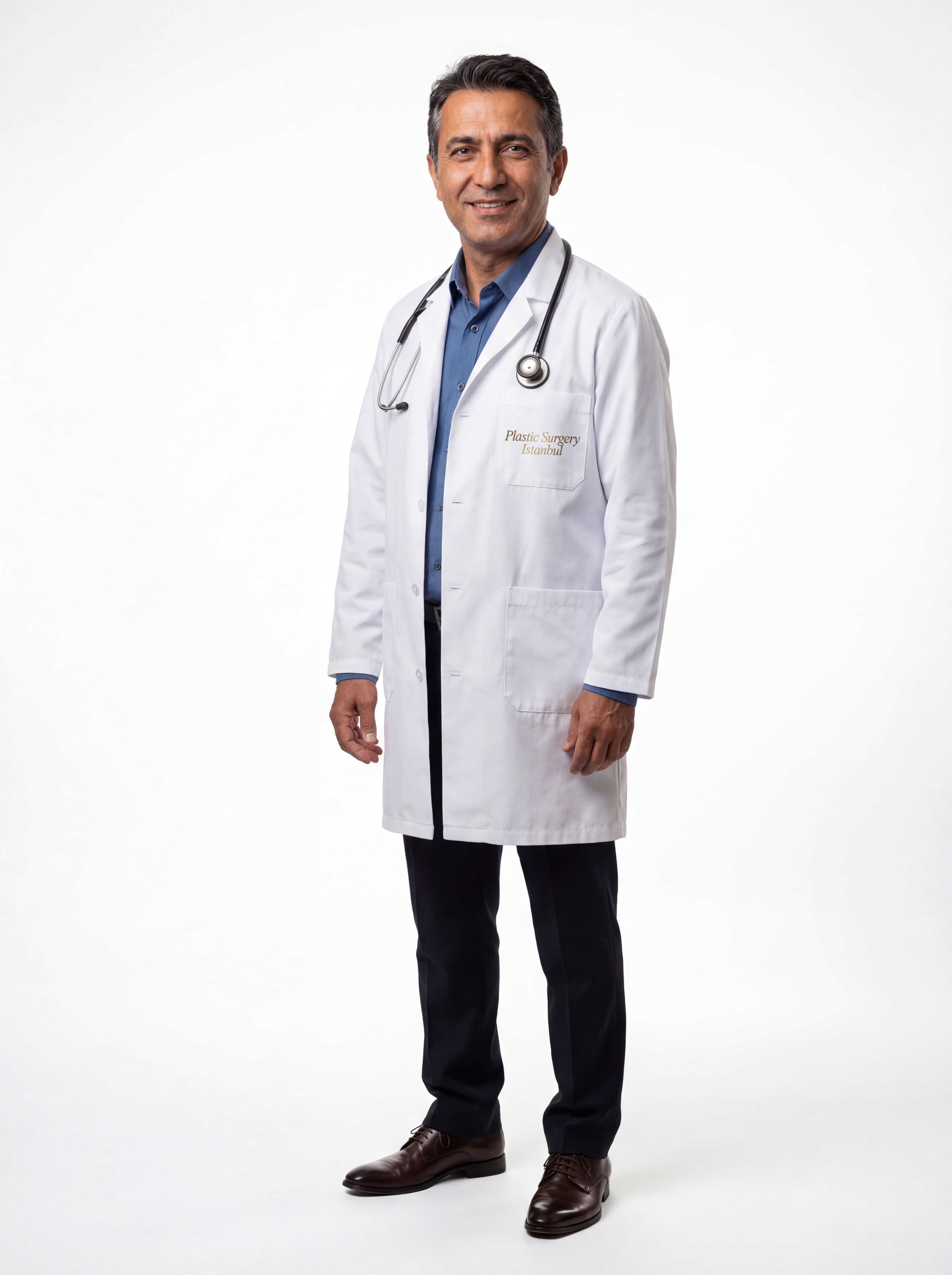
With over 20 years of periorbital and facial surgery expertise, Prof. Dr. Uçar has performed thousands of eyelid procedures across all ethnicities — developing an ethnically-sensitive approach to Asian blepharoplasty that prioritizes natural results and identity preservation.
- ISAPS Member — Global Top 5%
- 20+ Years Periorbital Surgery Expertise
- Multi-Ethnic Eyelid Surgery Experience
- Sub-1% Revision Rate
- JCI Hospital Affiliation
Asian Blepharoplasty: Turkey vs. South Korea — An Honest Comparison
Turkey vs. South Korea for Asian blepharoplasty: Turkey offers 40–60% lower cost ($1,800–$3,500 vs. $3,000–$8,000), JCI-accredited hospitals (vs. KCI accreditation), comparable surgical expertise, English-speaking support throughout, and convenient access from the US. Korea offers higher procedure volume for Asian eyelid surgery specifically and proximity to Asian countries.
| Factor | Turkey (Istanbul) | South Korea (Seoul) |
|---|---|---|
| All-Inclusive Cost | $1,800–$3,500 | $3,000–$8,000 |
| Hospital Accreditation | JCI (International Gold Standard) | KCI (Korean Standard) |
| Language Support | Fluent English coordinators | Variable; often Korean-primary |
| Hotel & Transfers | 5-star included in package | Usually separate cost |
| Aftercare Duration | 12–24 months structured follow-up | Typically 1–3 months |
| Travel from US | 10–12 hours (direct from major cities) | 13–15 hours |
| Ethnic Sensitivity | High — multi-ethnic patient base | High — primarily Asian patients |
| Combination Procedures | Full range available | Full range available |
The Turkey vs. South Korea comparison is the most relevant decision point for patients considering Asian blepharoplasty abroad. Both countries deliver excellent results — the question is which combination of factors matters most to you. Turkey's key advantages are cost (40–60% less than Korea), JCI hospital accreditation (recognized globally vs. Korea's domestic KCI standard), all-inclusive packaging (Korea typically charges separately for hotel, transfers, and aftercare), and English-language fluency (Turkey's medical tourism infrastructure is heavily English-oriented, while Korean clinics vary significantly in language support).
Korea's advantages include the highest volume of Asian blepharoplasty procedures globally and a long cultural history with the procedure. However, Istanbul's top surgeons have developed comparable expertise through extensive case volume across diverse ethnicities — a breadth of experience that Korean surgeons, who primarily treat Korean patients, may not match. Prof. Dr. Uçar has performed Asian blepharoplasty on patients from China, Japan, Korea, Vietnam, Thailand, the Philippines, and mixed-heritage backgrounds — each with distinct anatomical characteristics requiring a tailored approach.
Your Asian Blepharoplasty Journey: From Consultation to Final Result
Free Video Consultation & Crease Design
Submit your photos online. Within 48 hours, Prof. Dr. Uçar provides a personalized video consultation — evaluating your eyelid anatomy, discussing crease height and shape preferences (tapered vs. parallel, low vs. medium vs. high), recommending the optimal technique, and presenting your all-inclusive quote with zero hidden fees.
Book Your Date & Travel Planning
Secure your surgery date with a 30% deposit. Your dedicated VIP concierge provides flight guidance, books your 5-star hotel in Nişantaşı (Istanbul's most prestigious district), and sends a day-by-day itinerary for your entire stay.
Arrival & Pre-Operative Assessment
Private Mercedes pickup from Istanbul Airport (IST). Check into your 5-star hotel. Next day: comprehensive blood work, 3D eyelid imaging and simulation (Premium/Elite), and final in-person consultation with Prof. Dr. Uçar at the JCI hospital — including precise crease marking and design confirmation.
Surgery Day
Asian blepharoplasty takes 30–120 minutes depending on technique and whether epicanthoplasty is included. Recover in a private hospital suite with nursing observation. Transfer to your hotel the same day. Pain is minimal — most patients rate it 2–3/10.
Recovery in Istanbul (Days 1–7)
Daily coordinator check-ins. Cold compresses and prescribed medications. By day 3–4, light exploration of Nişantaşı. Sutures removed day 5–7 (incisional patients). Final clinic assessment before departure.
Return Home & Structured Aftercare
Virtual follow-ups with Prof. Dr. Uçar at 2 weeks, 1, 3, 6, and 12 months. WhatsApp access to your coordinator and surgeon throughout healing. Photo-documented crease evolution tracking to monitor settling and symmetry.
Frequently Asked Questions: Asian Blepharoplasty in Turkey
Asian blepharoplasty in Turkey costs $1,800–$3,500 for all-inclusive packages in 2026. Standard (non-incisional): $1,800. Premium (full incisional with Prof. Dr. Uçar): $2,500. Elite (incisional + epicanthoplasty/ptosis): $3,500. Each package includes surgeon, JCI hospital, anesthesia, 5-star hotel, VIP transfers, and aftercare.
Get Your Free Asian Blepharoplasty Quote
Submit your details and receive a personalized video consultation with Prof. Dr. Mehmet Kaan Uçar within 48 hours — including crease design simulation, technique recommendation, and exact pricing.