Is Turkey Good for Rhinoplasty? The Honest 2026 Answer for US Patients
Yes — Turkey is genuinely one of the best countries in the world for rhinoplasty, but only when you choose the right surgeon, the right hospital and the right protocol. This is the unfiltered breakdown US patients actually need before booking.
Is Turkey Good for Rhinoplasty? Quick Verdict
Is Turkey Good for Rhinoplasty? The Direct Answer
Yes — Turkey is good for rhinoplasty, and is widely recognised as one of the top three global destinations for nose surgery in 2026, alongside the United States and South Korea. The reasons are structural: an unusually high concentration of high-volume rhinoplasty surgeons, JCI-accredited hospital infrastructure that meets US standards, a state-backed health tourism programme, and a cost base that allows world-class surgical care at 70–80% less than equivalent US pricing. The risk in Turkey — as in any country — is choosing the wrong surgeon, not the country itself.
Most US patients searching is Turkey good for rhinoplasty are not really asking a yes-or-no question. They are asking three different questions stacked into one: 'Is the medical care actually safe?', 'Is the result actually as good as a top US surgeon would deliver?', and 'Is the price difference real or is something missing from the package?' This page answers all three honestly — including the parts most clinics will not tell you.
The short version is this: Turkey is genuinely one of the best places in the world to have a rhinoplasty performed in 2026. The longer version is that the average quality across Turkey is uneven, the marketing is intense, and the difference between a great Istanbul clinic and a bad one is much wider than the difference between a great US clinic and an average US clinic. The Turkish surgical ecosystem produces more high-volume rhinoplasty specialists per capita than any other country, but it also produces a long tail of underqualified operators chasing medical tourism revenue. Knowing how to tell the two apart is the entire game.
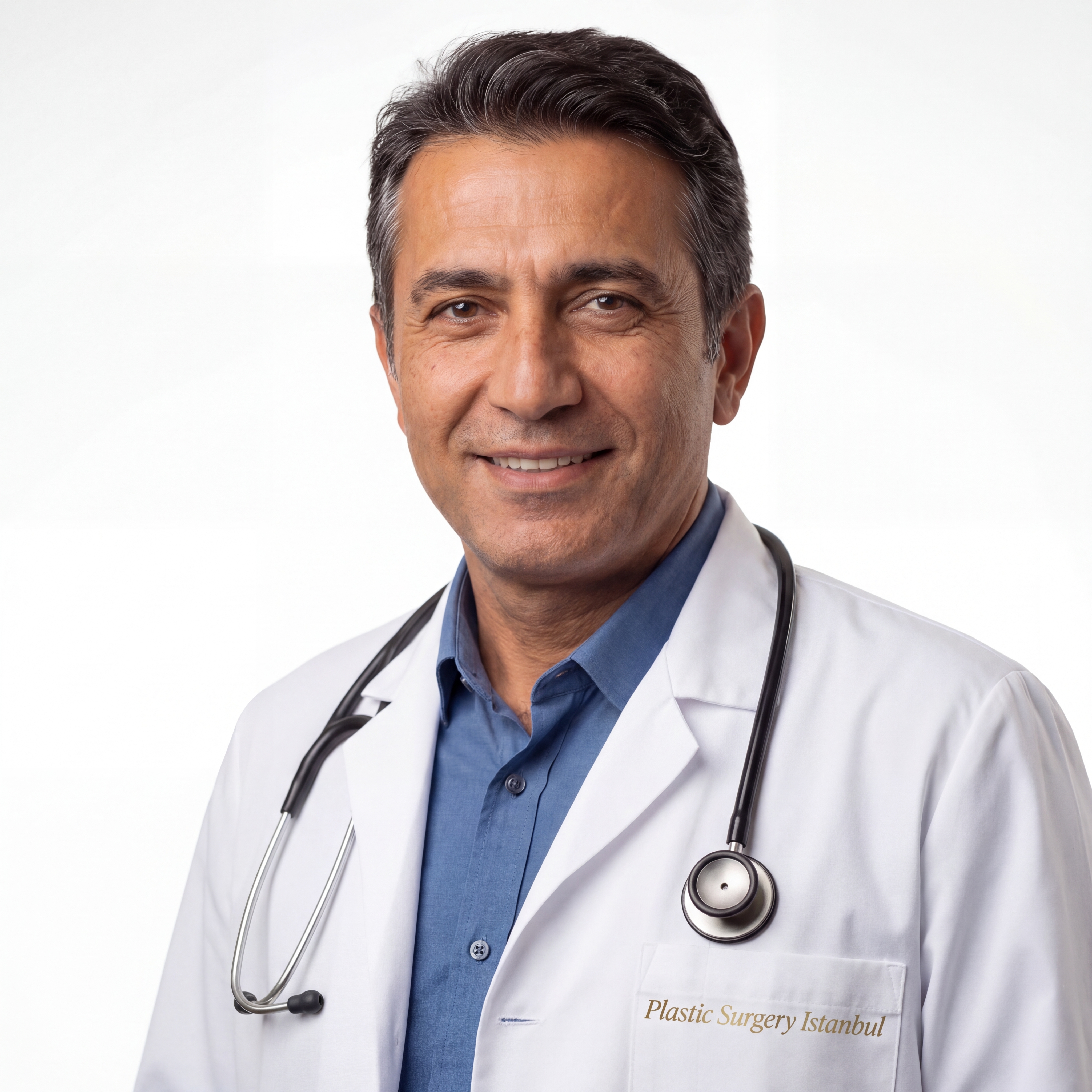
At Plastic Surgery Istanbul, every rhinoplasty is performed by Prof. Dr. Mehmet Kaan Uçar — board-certified plastic surgeon, ISAPS member, more than 10,000 nose surgeries performed across his career — in JCI-accredited Istanbul hospitals using the same protocols as leading US institutions. The all-inclusive cost is $3,200 to $4,800 versus a US average of $12,000 to $20,000 for surgery alone. The transparency of this page is intentional: by the end of it, you should be able to evaluate any Turkish rhinoplasty offer — ours included — using objective criteria rather than marketing language.
Why Turkey Became a Global Leader in Rhinoplasty
Turkey did not become a top rhinoplasty destination by accident. The country's dominance in nose surgery is the result of three structural factors that have compounded over the past 15 years — and none of them involve cutting clinical corners. Understanding why the ecosystem exists helps you evaluate whether the value is real.
Surgeon Volume Density
A typical US plastic surgeon performs 50–100 rhinoplasties per year. A high-volume Istanbul rhinoplasty specialist often performs 400–800 per year. Across an entire career, this volume gap is enormous: an Istanbul surgeon at 20 years in practice can have performed more rhinoplasties than three US surgeons combined. Volume produces refined technique, predictable outcomes and the ability to sub-specialise — the exact qualities that drive successful nose surgery.
Government-Backed Health Tourism Programme
Turkey's official health tourism programme launched in 2010 and now certifies clinics, audits hospitals and incentivises continued investment in international patient infrastructure. JCI-accredited Istanbul hospitals operate to the same patient safety standards as leading US medical institutions, and the regulatory ecosystem provides accountability that pure-private medical markets in some other countries lack.
Currency Differential, Same Operation
The same surgical hour, the same titanium instruments, the same JCI-accredited operating suite costs less in Turkish Lira than in US Dollars. The savings are macroeconomic, not clinical. Patients flying to Istanbul are not buying 'cheaper' surgery — they are buying the same surgical hour at a different exchange rate, performed by a higher-volume surgeon than they would typically access in the US for the same effort.
Sub-Specialisation in Rhinoplasty Specifically
In the US, most plastic surgeons perform rhinoplasty as one procedure within a wide cosmetic practice. In Istanbul, dedicated rhinoplasty specialists exist whose entire week is nose surgery — primary, revision, ethnic, functional. This level of focus produces a depth of expertise that is hard to match in markets where surgeons must diversify to maintain economic viability.
Modern Surgical Technology Adoption
Piezo ultrasonic instrumentation, preservation rhinoplasty techniques, 3D pre-operative imaging and structural cartilage support methods were rapidly adopted by leading Turkish clinics — often years ahead of average US adoption. Patients flying in routinely receive technique standards that exceed what their local US surgeon offers.
Is Rhinoplasty in Turkey Safe?
Yes — rhinoplasty in Turkey is safe when performed by a board-certified surgeon in a JCI-accredited hospital using full Western perioperative protocols. The safety risk in any country is the surgeon and facility you choose, not the country itself. JCI-accredited Istanbul hospitals meet identical patient safety standards to leading US institutions, and Turkey's regulatory framework for health tourism provides additional oversight not always present in private medical markets.
Safety is the question that should matter most, and it deserves a direct answer rather than reassurance. Rhinoplasty in Istanbul performed at a JCI-accredited hospital, by a board-certified plastic surgeon, with full pre-operative cardiac and respiratory clearance, dedicated one-to-one anesthesiology supervision and overnight inpatient monitoring is as safe as the same operation performed in New York, Los Angeles or London. The medical evidence on this is unambiguous — the variable is the clinic, not the country.
Where Turkey's reputation has suffered is at the bottom end of the market. Suspiciously low 'rhinoplasty packages' priced at $1,500 to $2,500 typically reflect inexperienced surgeons working in unaccredited facilities, sometimes performing rhinoplasty as a side procedure rather than as a sub-specialty. These operations carry real risk — but the risk is not 'Turkey'. It is the same risk that exists when a patient in any country chooses an underqualified surgeon based primarily on price. The fix is to evaluate the clinic, not to dismiss the destination.
Our safety protocol explicitly addresses every credible concern: surgery exclusively in JCI-accredited partner hospitals, board-certified anesthesiologist with continuous intra-operative monitoring, overnight in-hospital observation as standard, daily clinic-side post-operative checks during your 7-day stay, written medication and recovery protocols, and 12 months of direct WhatsApp access to the surgical team after you return home. None of these elements are upsells — they are baseline.
Is the Quality of Rhinoplasty in Turkey as Good as in the US?
For top-tier Turkish clinics, yes — the quality of rhinoplasty in Turkey is equivalent to or better than the US average, and competitive with elite US specialists. The reason is volume: high-volume Istanbul rhinoplasty surgeons perform 4 to 8 times more nose surgeries per year than typical US plastic surgeons, producing refined technique and predictable outcomes. The quality variance within Turkey is wider than within the US, so surgeon selection matters more.
The honest summary: at the top tier, Turkish rhinoplasty quality matches or exceeds the US average. The US has a higher minimum quality across its market because of stricter licensing barriers, but a higher minimum is irrelevant if you are specifically choosing a top-tier surgeon. Choosing Prof. Dr. Mehmet Kaan Uçar is statistically equivalent to choosing a high-volume US specialist — at roughly one-fifth of the all-in cost.
Rhinoplasty Cost: Turkey vs USA (City-by-City Reality Check)
The cost difference is not a marketing exaggeration. Below is a transparent comparison of our all-inclusive Istanbul package against typical surgeon-only fees in major US cities. The US figures do not include anesthesia, OR fees, accommodation or aftercare — those add another $4,000–$8,000 to the final invoice.
When the US headline figure is fully loaded with anesthesia ($1,500–$3,000), facility fee ($3,000–$6,000), pre-op imaging, post-op visits and recovery accommodation, a $16,000 New York quote routinely lands at $22,000+ on the final invoice. The all-inclusive rhinoplasty cost in Turkey at our Istanbul clinic is the final number — typically less than just the US anesthesia and facility add-ons combined.
How to Choose the Right Rhinoplasty Clinic in Turkey
The single most important decision in any medical tourism trip is clinic selection. The criteria below are the same ones we use internally to evaluate competing clinics — applied honestly, they will protect you from the lower end of the Turkish market and help you evaluate any clinic, ours included.
Named Surgeon (Not 'Our Team')
The clinic must publicly name the specific surgeon who will perform your operation. Vague language like 'our surgical team' often means a rotating roster of less experienced operators. You should know the name, see the credentials and verify board certification before booking.
Board Certification + ISAPS Membership
Verify the surgeon is a board-certified plastic, reconstructive and aesthetic surgeon. ISAPS (International Society of Aesthetic Plastic Surgery) membership is an additional independent quality marker — members are vetted and held to international standards.
Documented Surgical Volume
Ask the clinic for the surgeon's documented rhinoplasty volume — total career and annual. A genuine specialist will provide this readily. If the answer is evasive or the number is below ~200 annual rhinoplasties, you are not at a true specialist clinic.
JCI-Accredited Hospital Partnership
Surgery must be performed in a JCI-accredited hospital, not in an in-clinic operating room or unaccredited facility. JCI accreditation is the same international standard used by leading US hospitals and is publicly verifiable.
Written, Itemised All-Inclusive Quote
The quote should arrive in writing, list every included item and explicitly confirm there are no add-on fees for anesthesia, OR, follow-ups, hospital, hotel or transfers. Verbal quotes and 'starting from' pricing are red flags.
Real Before & After Portfolio
A genuine specialist clinic shows hundreds of consistent before-and-after results, photographed in standardised lighting, with multiple angles per case. Stock images, heavily filtered photos or thin portfolios are warning signs.
Pre-Operative Video Consultation with the Surgeon
You should speak directly to the surgeon — not just a coordinator — before booking. The surgeon should review your photos, propose a written surgical plan and discuss realistic outcomes. A clinic that refuses pre-op surgeon contact is selling logistics, not surgery.
12-Month Post-Operative Access in Writing
You will need surgeon-team access for at least 12 months after surgery to manage swelling questions, photo check-ins and any concerns. This must be in writing as part of your package, not 'available if needed'.
Red Flags: When Rhinoplasty in Turkey Is a Bad Idea
Rhinoplasty in Turkey becomes risky when patients choose clinics based primarily on price, book unnamed surgeons, accept operations in non-accredited facilities, receive no written quote or skip pre-operative video consultation. The country is not the risk — the bottom 30% of clinics targeting medical tourists is the risk. Avoiding red flags is straightforward when you know what to look for.
The Turkish rhinoplasty market has a genuine high end and a genuine low end. The low end exists because high demand attracts operators who treat medical tourism as logistics rather than medicine — package deals built around hotel rooms and airport transfers, with the surgery itself as an interchangeable commodity. Patients who book on price almost always end up at the low end, and the bad outcomes that occasionally surface in the international press almost all originate there.
The honest red flags are easy to spot once you know them. Suspiciously low pricing (below $2,500 all-inclusive). Refusal to name the operating surgeon in writing before booking. Surgeon credentials that cannot be independently verified. Surgery performed in 'in-clinic operating theatres' rather than JCI-accredited hospitals. Pressure to book within 24–48 hours. Verbal quotes that change after deposit. No clear post-operative protocol. No written touch-up policy. None of these are about Turkey — they exist in every medical tourism market — but they are more visible in Turkey because the market is larger.
Why Plastic Surgery Istanbul Stands at the Top of the Turkish Market
Every rhinoplasty at our clinic is personally performed by Prof. Dr. Mehmet Kaan Uçar, our co-founder and one of Europe's highest-volume rhinoplasty specialists. His career portfolio of 10,000+ nose surgeries — including more than 2,000 revision cases — places him in a global tier reached by very few surgeons in any country. He is a board-certified plastic, reconstructive and aesthetic surgeon, an active ISAPS member and lectures internationally on preservation rhinoplasty and structural cartilage techniques. Surgery is performed exclusively in JCI-accredited Istanbul hospitals using the same patient safety standards as leading US institutions. The transparency of this page — credentials, volume, hospital accreditation, written pricing, written protocols — is the same transparency you should demand from any clinic you evaluate.
What a Safe, Well-Run Rhinoplasty Trip to Turkey Looks Like
A properly structured medical trip to Istanbul is calm, supportive and clinically tight. Below is exactly how the 7-day journey unfolds at our clinic — use it as a benchmark for evaluating any Turkish rhinoplasty offer.
Arrival & VIP Transfer
Your private VIP driver meets you at Istanbul Airport (IST) and transfers you directly to your 5-star hotel. The day is yours to rest from the flight. Your patient coordinator confirms tomorrow's schedule via WhatsApp.
In-Person Consultation & Pre-Op Workup
Face-to-face consultation with Prof. Dr. Uçar at our clinic — examination, 3D imaging review, finalisation of the written surgical plan. Pre-op blood work and anesthesia clearance completed before you leave the hospital.
Surgery Day
Transfer to our JCI-accredited partner hospital in the early morning. Surgery itself takes 2 to 4 hours depending on your plan. You wake in a private recovery room and stay overnight under nursing supervision.
Hospital Discharge & Hotel Recovery
Prof. Dr. Uçar visits in the morning to confirm initial recovery is on track. You transfer back to your hotel with a complete medication kit and written aftercare protocol. Light activity in your room only.
First Hotel Recovery Day
Rest, hydrate, head elevated. Your concierge handles meals and supplies. A nurse can visit your hotel room at no extra cost if needed.
Mid-Recovery Check-In
Brief clinic visit to clean the nasal area and confirm recovery progression. Most patients feel well enough for a slow walk in the hotel district by this point.
Cast Removal & Departure
Cast and any external sutures removed at our clinic. Final consultation with Prof. Dr. Uçar, written 12-month recovery plan, and clearance for your flight home. VIP transfer back to Istanbul Airport.
Real US Patient Verdicts on Whether Turkey Was the Right Choice
These are real US patients answering the same question this page answers — 'Was Turkey actually a good choice for my rhinoplasty?' — after the fact. Names shortened for privacy. Savings figures reflect their original US quote vs the all-inclusive package they paid here.
"I researched for nine months before booking. Verified Prof. Dr. Uçar's credentials independently, confirmed the JCI hospital, got the written quote. Eight months post-op the result is exactly what was shown in 3D imaging. Honest answer to your question: yes, Turkey was the right choice — but only because I picked the right clinic."
"Three Seattle surgeons quoted me $14K to $19K for surgery alone. The Istanbul all-inclusive was $4,200 with hotel, transfers and 12 months of follow-up. The hospital was JCI-accredited, the protocol was identical to US standards. I would do this again tomorrow."
"I was nervous specifically about safety. The pre-op video consultation with the surgeon answered every concern. The hospital looked exactly like a US hospital. The aftercare protocol was more thorough than what my friend received in Scottsdale. The savings were real and so was the quality."
"Old sports injury — needed both functional and cosmetic correction. Charlotte surgeons quoted $16K combined. Did the same operation in Istanbul for $4,500 all-inclusive. Breathing through both nostrils for the first time in 20 years. Turkey was 100% the right call for me."
Is Turkey Good for Rhinoplasty? — Frequently Asked Questions
Get an Honest Surgical Assessment Before You Decide
Send 4 photos and a short description of your goals. Within 24 hours you receive a written assessment from Prof. Dr. Mehmet Kaan Uçar's team — surgical plan, expected recovery, full all-inclusive price, no hidden fees. We will tell you honestly if Istanbul is the right choice for your case — and just as honestly if it is not.