What to Avoid After Blepharoplasty: 15 Things That Can Ruin Your Results
What you avoid after blepharoplasty is just as important as what you do. Even perfect surgical technique can be undermined by a single careless action during the critical healing window. Prof. Dr. Mehmet Kaan Uçar's comprehensive guide reveals the 15 most dangerous post-operative mistakes — and exactly how to prevent them — based on 10,000+ successful procedures.
Recovery Protocol
15 Critical Restrictions
Why Knowing What to Avoid After Blepharoplasty Is Critical
What to avoid after blepharoplasty includes rubbing your eyes, bending over, smoking, alcohol, blood-thinning medications, heavy exercise, sun exposure, wearing contact lenses, applying makeup too early, and swimming. These activities can cause bleeding, infection, prolonged swelling, poor scarring, and compromised results — even when the surgery itself was performed flawlessly.
What to avoid after blepharoplasty is arguably the most important information you need before eyelid surgery — because the things you don't do during recovery often matter more than the things you do. At Plastic Surgery Istanbul, we've observed over thousands of cases that patients who strictly follow avoidance protocols achieve consistently superior results compared to those who focus only on positive aftercare steps.
The eyelid area presents unique vulnerability during healing. With skin only 0.5mm thick — the thinnest anywhere on the body — and constant mechanical stress from blinking (15,000–20,000 times daily), even minor violations of post-operative restrictions can create disproportionate damage. A single episode of eye rubbing can disrupt delicate suture lines. One alcoholic drink can double bruising severity. Ten minutes of unprotected sun exposure can permanently darken healing scars.
Prof. Dr. Mehmet Kaan Uçar has refined his post-operative restriction protocol over 20+ years and thousands of blepharoplasty procedures. His approach is evidence-based and specific — not vague advice like 'take it easy,' but precise timelines for every restricted activity. Each patient receives a detailed restriction card with exact dates for when each limitation lifts, personalized to their specific procedure and healing profile.
According to data published in the Aesthetic Surgery Journal, 78% of post-blepharoplasty complications are directly attributable to patient non-compliance with activity restrictions — not surgical technique. This statistic underscores why understanding what to avoid is the single highest-impact action you can take to protect your investment and ensure optimal results.
Physical Activities to Avoid After Blepharoplasty
Avoid heavy exercise for 3–4 weeks, bending below heart level for 2 weeks, heavy lifting (over 10 lbs) for 2 weeks, and any activity that raises blood pressure to the head. Swimming pools and hot tubs should be avoided for 4 weeks. Contact sports require 6 weeks of clearance.
Heavy Exercise and High-Intensity Workouts
Avoid for 3–4 weeksHeavy exercise raises blood pressure and heart rate, which increases blood flow to the healing eyelid area — potentially causing bleeding, increased swelling, and disruption of delicate tissue repairs. This includes running, HIIT, weight training, CrossFit, cycling at high intensity, and any exercise that makes you breathe heavily or strain. Even a single intense workout at Week 1 can set your recovery back by days. Light walking (10–15 minutes, 2–3 times daily) is not only safe but actively encouraged from Day 1 — it promotes circulation and prevents blood clots without raising facial pressure.
Bending Over and Head-Down Positions
Avoid for 2 weeksAny position where your head drops below your heart causes blood to pool in the facial area, dramatically increasing swelling and bleeding risk around healing eyelid tissue. This includes: bending to pick up objects, tying shoelaces (sit and cross your leg instead), yoga inversions (downward dog, headstands), cleaning floors, loading a dishwasher, and gardening. When you need something from a low position, bend at the knees while keeping your head elevated — never bend at the waist. This single restriction, when followed strictly, reduces post-operative swelling by 25–30%.
Heavy Lifting
Avoid lifting over 10 lbs for 2 weeksLifting heavy objects causes Valsalva maneuver — holding your breath while straining — which dramatically increases intra-ocular and facial venous pressure. This can cause bleeding under the skin flaps, hematoma formation, and even burst delicate healing blood vessels around the eyelids. For the first 2 weeks, do not lift anything heavier than a large book or a gallon of milk (approximately 8–10 pounds). This includes grocery bags, suitcases, children, pets, heavy pots and pans, and gym equipment. Ask for help — this is a temporary restriction that protects a permanent investment.
Swimming, Hot Tubs, and Saunas
Avoid for 4 weeksChlorinated pool water, hot tub chemicals, and ocean water carry bacteria and irritants that can cause infection in healing incision lines. Beyond contamination risk, the heat from hot tubs and saunas causes vasodilation (blood vessel expansion), which increases swelling and bleeding risk. Even lukewarm baths are restricted for the first 2 weeks — submerging your face or allowing water to splash onto healing wounds introduces unnecessary infection risk. Showers are fine from Day 1 as long as water doesn't directly hit the eye area. Full swimming can resume at Week 4 when incisions are fully sealed.
Contact Sports and Vigorous Activities
Avoid for 6 weeksAny activity with risk of impact to the face — basketball, soccer, martial arts, boxing, racquet sports, wrestling — must be avoided for a full 6 weeks. Even accidental contact to the healing eyelid area during this period can cause hematoma, wound dehiscence (opening), asymmetry, or permanent tissue damage. The tissue strength of healing incisions doesn't reach 80% of normal until Week 6. Before resuming contact sports, Prof. Dr. Uçar performs a specific assessment to confirm your tissue has adequate strength to withstand impact.
Eye Habits to Avoid After Blepharoplasty
After blepharoplasty, never rub or touch your eyes, avoid wearing contact lenses for 2–3 weeks, limit screen time for the first 48 hours, don't apply eye makeup for 2–3 weeks, and avoid wearing false eyelashes or eyelash extensions for 6 weeks. These habits can cause infection, wound disruption, and poor scarring.
Rubbing or Touching Your Eyes
Avoid completely for 4 weeksThis is the #1 most dangerous habit after blepharoplasty. Even gentle rubbing can disrupt suture lines, cause bleeding beneath skin flaps, introduce bacteria, and create asymmetric healing. The instinct to rub is strongest when eyes feel itchy or irritated — which is common during the first 2 weeks as nerves regenerate and swelling fluctuates. When you feel the urge to rub: use lubricating eye drops instead (they relieve the irritation without mechanical contact), apply a cool compress, or gently press a clean tissue against the outer orbital bone (not the eyelid itself). Train yourself to be conscious of unconscious eye-touching habits, especially during sleep — some patients benefit from wearing an eye shield at night for the first week.
Wearing Contact Lenses
Avoid for 2–3 weeksContact lens insertion and removal requires pulling on the eyelid and touching the eye area — exactly the movements that are most dangerous after blepharoplasty. Beyond mechanical risk, contact lenses can trap bacteria against the cornea, reduce oxygen delivery to the healing periorbital area, and cause increased dryness (which is already elevated after blepharoplasty). Bring backup prescription glasses for your recovery period. Prof. Dr. Uçar will specifically clear you for contact lens use at your follow-up appointment — typically at Week 2–3 depending on your healing progress.
Extended Screen Time (First 48 Hours)
Minimize for first 48 hours; moderate for Week 1Screens — phones, tablets, computers, and televisions — cause reduced blink rate (dropping from 15–20 blinks per minute to 3–5), which dramatically worsens post-operative dryness and eye strain. The blue light and close focus also increase eye fatigue and can contribute to headaches during the sensitive early recovery period. First 48 hours: no screens at all. Days 3–7: limited screen time using the 20-20-20 rule (every 20 minutes, look at something 20 feet away for 20 seconds). Week 2: gradually return to normal screen use. Listen to podcasts and audiobooks instead of reading or watching during the first few days.
Applying Eye Makeup Too Early
Avoid eye makeup for 2–3 weeksMakeup particles — especially from eye shadow, eyeliner, and mascara — can enter healing incision lines and cause infection, inflammation, or permanent pigmentation of the scar. Even 'hypoallergenic' products contain preservatives and pigments that are harmful to open or recently-closed wounds. Foundation and concealer (away from incisions) can resume at Day 7–10. Eye shadow and eyeliner at Day 14 (using new products only). Mascara at Day 14–21 (non-waterproof only — waterproof requires aggressive removal that stresses healing tissue). When you do resume eye makeup, use new products (old ones harbor bacteria) and apply with gentle patting rather than rubbing motions.
False Eyelashes and Extensions
Avoid for 6 weeksEyelash extensions and false lashes require adhesive applied directly adjacent to the incision line, and the removal process involves pulling and chemical solvents — both catastrophic for healing tissue. The weight of extensions also creates constant downward tension on the eyelid, which can affect wound healing and scar formation. Even individual lash extensions should be avoided for 6 weeks. After 6 weeks, consult with Prof. Dr. Uçar before resuming — he'll assess whether your specific healing allows safe extension application.
Get Your Personalized Recovery Restriction Timeline
Every patient heals differently. Submit your photos and Prof. Dr. Uçar will provide your customized surgical plan with an exact restriction timeline tailored to your procedure and health profile.
Substances to Avoid After Blepharoplasty
After blepharoplasty, avoid alcohol for 2 weeks (increases bruising 40–60%), smoking for 4 weeks minimum (impairs blood flow and healing by 30–50%), blood-thinning medications (aspirin, ibuprofen) for 2 weeks, excessive caffeine, and certain supplements (fish oil, vitamin E, garlic, ginkgo biloba) that increase bleeding risk.
Alcohol — The #1 Healing Disruptor
Avoid completely for 2 weeksAlcohol is one of the most damaging substances for post-blepharoplasty recovery. It thins the blood (increasing bruising severity by 40–60%), dehydrates tissue (impairing nutrient delivery to healing cells), impairs immune function (increasing infection risk by 25%), and disrupts sleep architecture (reducing the growth hormone release critical for tissue repair). Even a single glass of wine in the first week can visibly worsen bruising and extend swelling duration. This includes all forms: beer, wine, spirits, and cocktails. After 2 weeks, moderate alcohol consumption can gradually resume — but many patients report that abstaining for a full month produces noticeably better results.
Smoking and Nicotine Products
Avoid for 4 weeks minimum (ideally 6 weeks)Smoking is the single most destructive habit for surgical healing. Nicotine causes vasoconstriction — narrowing blood vessels by 30–50% — which severely restricts oxygen and nutrient delivery to healing tissue. Carbon monoxide in cigarette smoke further reduces blood oxygen levels. The result: delayed wound healing, increased infection risk, thicker scars, prolonged swelling, and up to 12x higher complication rate compared to non-smokers. This restriction includes all nicotine products: cigarettes, e-cigarettes/vaping, nicotine patches, nicotine gum, cigars, hookah, and chewing tobacco. If you smoke, ideally stop 4 weeks before surgery and remain smoke-free for 4–6 weeks after. Prof. Dr. Uçar may recommend nicotine cessation support as part of your pre-operative preparation.
Blood-Thinning Medications
Avoid for 2 weeks (consult your surgeon)Aspirin, ibuprofen (Advil/Motrin), naproxen (Aleve), and other NSAIDs inhibit platelet function — increasing bruising and bleeding risk during the critical healing period. Acetaminophen (Tylenol) is the safe alternative for pain management after blepharoplasty. Important: some patients take aspirin or other blood thinners for medical conditions (cardiovascular disease, stroke prevention). Never stop prescribed blood thinners without your doctor's explicit approval. Prof. Dr. Uçar coordinates with your primary care physician to create a safe medication plan for the surgical period.
Certain Supplements and Herbal Remedies
Stop 2 weeks before; avoid 2 weeks afterSeveral common supplements have significant blood-thinning effects that increase bruising and bleeding: Fish oil (omega-3 capsules — food sources are fine from Week 1), Vitamin E (above 400 IU), Garlic supplements (small amounts in cooking are fine), Ginkgo biloba, Ginger supplements (small amounts in cooking/tea are fine), St. John's Wort (also interacts with anesthesia), and Turmeric/curcumin supplements. Stop all of these 2 weeks before surgery and avoid for 2 weeks after. Healing-supportive supplements (vitamin C, bromelain, arnica, zinc) are safe and recommended — these are part of Prof. Dr. Uçar's standard recovery protocol.
Excessive Caffeine
Limit to 1 cup daily for 2 weeksWhile moderate caffeine is acceptable, excessive intake (more than 200mg/day — about 2 cups of coffee) raises blood pressure, causes dehydration, and can interfere with the quality sleep that's essential for tissue repair. During the first 2 weeks, limit yourself to 1 cup of coffee or tea per day. Replace additional caffeine with chamomile tea (anti-inflammatory properties that actively support healing) or green tea (gentle caffeine plus powerful antioxidants). Avoid energy drinks entirely — they combine high caffeine with blood pressure-raising ingredients that are particularly harmful during recovery.
Environmental Exposures to Avoid After Blepharoplasty
After blepharoplasty, avoid direct sun exposure on healing eyelids for 6 months (UV causes permanent scar darkening), dusty and windy environments for 3–4 weeks, dry air from air conditioning for 2 weeks, and extreme temperatures (saunas, steam rooms) for 4 weeks. Always wear UV400 wrap-around sunglasses outdoors.
Direct Sun Exposure
Protect for 6–12 months; strict avoidance for 6 weeksUV radiation is the single biggest threat to blepharoplasty scar quality. Healing scars contain increased melanocyte activity — meaning they are hyper-responsive to sunlight and will permanently darken (hyperpigment) with UV exposure, creating visible scar lines that would otherwise be virtually invisible. For the first 6 weeks: no direct sunlight on the eyelid area. Wear UV400 wrap-around sunglasses whenever outdoors, even on cloudy days (80% of UV penetrates clouds). Apply mineral SPF 30+ sunscreen around the eye area (avoid incision lines until fully healed). For months 2–12: continue sunglasses and daily SPF as routine. This single practice makes more difference to final scar quality than any other aftercare measure.
Dusty, Windy, and Polluted Environments
Avoid for 3–4 weeksAirborne particles — dust, pollen, sand, pollution, pet dander — can irritate healing eyelid tissue, trigger the rubbing reflex (the #1 danger after blepharoplasty), and potentially enter incompletely healed incision lines causing infection. Wind itself is problematic: it causes tear evaporation, worsening post-operative dryness. For the first 3–4 weeks: wear protective wrap-around sunglasses in all outdoor environments, avoid construction sites and dusty areas, keep windows closed during high-pollen days, and use a HEPA air purifier in your recovery room. In Istanbul, your patient coordinator will advise on daily air quality and pollen levels during your stay.
Extreme Heat and Steam
Avoid for 4 weeksSaunas, steam rooms, hot yoga, prolonged hot showers (where steam accumulates around the face), and even hot cooking environments cause vasodilation and increased blood flow to the facial area — directly worsening swelling and potentially causing bleeding from healing vessels. Heat also promotes bacterial growth, increasing infection risk on warm, moist healing tissue. For 4 weeks: use lukewarm water for face washing, avoid steam exposure, and keep your recovery environment at a comfortable room temperature (68–72°F / 20–22°C). Brief, warm (not hot) showers are fine — just avoid letting hot water or steam directly contact the eye area.
Sleep Positions and Habits to Avoid After Blepharoplasty
After blepharoplasty, avoid sleeping flat (always elevate head 30–45°), avoid sleeping face-down or on your side for 2 weeks, and avoid sleeping without lubricating eye drops or ointment for the first week. Proper sleep position reduces swelling by 25–30% and accelerates healing.
Sleep position is one of the most impactful yet often overlooked factors in blepharoplasty recovery. When you sleep flat, blood pools in the facial and periorbital area due to gravity — increasing swelling by 25–30% compared to elevated sleeping. For the first 2 weeks minimum, sleep with your head elevated at 30–45 degrees using a wedge pillow, recliner chair, or 2–3 stacked pillows. Many patients find a recliner chair most comfortable for the first week.
Side sleeping and face-down sleeping create direct pressure on the healing eyelid tissue, which can cause asymmetric swelling, wound disruption, and prolonged edema on the compressed side. Sleep on your back only for the first 2 weeks. If you're naturally a side sleeper, place pillows on both sides of your body to prevent unconscious rolling. Some patients use a U-shaped travel pillow to keep their head centered.
Before sleep, apply prescribed lubricating eye ointment to prevent overnight dryness — your blink reflex may be temporarily altered after blepharoplasty, meaning your eyes may not close completely during sleep. This can cause corneal dryness and irritation that delays healing. Using a sleep mask (soft, non-compressive) from Week 2 can help block light without pressing on healing eyelids.
Sleep quality itself directly impacts healing. Growth hormone — essential for tissue repair — is released primarily during deep sleep stages. Avoid caffeine after noon, keep your room cool and dark, and maintain a consistent sleep schedule during recovery. Patients who achieve 7–8 hours of quality sleep per night during the first 2 weeks consistently demonstrate faster healing and better final results.
Most Common Post-Blepharoplasty Mistakes Patients Make
The most common post-blepharoplasty mistakes include: returning to work too early (wait at least 7–10 days), skipping follow-up appointments, comparing Day 3–5 swelling to final results (healing takes 3–6 months), stopping aftercare too soon, and neglecting sun protection after the initial healing period.
Returning to Work Too Early
Many patients underestimate recovery time and plan to return to work at Day 3–4. While some people heal faster than others, 7–10 days is the realistic minimum for most desk jobs — and 2 weeks is ideal. Returning too early means extended screen time (eye strain), reduced rest (slowed healing), social stress about appearance (bruising/swelling still visible), and difficulty maintaining aftercare protocols (cold compresses, eye drops, head elevation) in a work environment. If possible, schedule surgery so you have 10 days without work obligations.
Judging Results Too Early
Swelling peaks at Day 2–3 after blepharoplasty — and at this point, many patients panic that something went wrong. This is completely normal. At Day 3, you are seeing 0% of your final result. At Week 2, approximately 60%. At Month 1, approximately 80%. Final results take 3–6 months to fully manifest as residual deep tissue swelling resolves and scars mature from pink to invisible. Trust the process and avoid obsessive mirror-checking during the first 2 weeks — it only causes unnecessary anxiety.
Skipping Follow-Up Appointments
Post-operative follow-up appointments aren't optional — they're when Prof. Dr. Uçar identifies early signs of complications (asymmetry, infection, poor healing) that are easily correctable when caught early but may become permanent if ignored. At Plastic Surgery Istanbul, the follow-up schedule includes: Day 1 (wound check), Day 3–5 (suture removal), Week 2 (virtual check), Month 1 (progress assessment), and Month 3/6/12 (long-term follow-up). Each appointment takes only 10–15 minutes but provides irreplaceable peace of mind and early intervention capability.
Stopping Aftercare Too Soon
Many patients follow aftercare protocols diligently for the first week, then gradually abandon them as they start feeling better. This is a mistake — the scar remodeling phase continues for 6–12 months, and the actions you take during months 2–6 directly impact long-term scar quality. Key ongoing aftercare: daily SPF 30+ around the eyes (most important), silicone scar gel twice daily for 3 months, gentle scar massage for 3 months, and quality eye cream with retinol from Week 6 onward. These maintenance steps take less than 5 minutes daily but significantly improve final results.
Ignoring Warning Signs
While most blepharoplasty recoveries are uneventful, patients should know when to seek immediate medical attention. Contact Prof. Dr. Uçar immediately if you experience: sudden severe pain (not gradual discomfort), significant vision changes or blurriness, inability to close one or both eyes, rapidly increasing swelling on one side only, fever above 100.4°F (38°C), persistent bleeding that doesn't stop with gentle pressure, or green/yellow discharge from incisions. These symptoms are rare but require prompt evaluation. At Plastic Surgery Istanbul, every patient has 24/7 access to their patient coordinator for any concern.
Complete Restriction Timeline After Blepharoplasty
Blepharoplasty restriction timeline: Days 1–3 no screens, no bending, no alcohol. Week 1 no exercise, no makeup, no contacts. Week 2 light exercise OK, glasses only. Week 3 moderate exercise, contacts OK, eye makeup OK. Week 4 full exercise, swimming OK. Week 6 contact sports, eyelash extensions OK.
| Timeline | ✅ Allowed | ❌ Avoid |
|---|---|---|
| Days 1–3 | Light walking, soft foods, cold compresses, prescribed medications | ALL screens, bending over, alcohol, lifting, makeup, contacts |
| Days 3–7 | Limited screens (20-20-20 rule), gentle walks, warm compresses | Exercise, eye makeup, contacts, alcohol, smoking, rubbing eyes |
| Week 2 | Gentle stretching, moderate screen time, foundation away from incisions | Heavy exercise, eye makeup, contacts, alcohol, bending, swimming |
| Week 3 | Moderate cardio, contact lenses, eye makeup (new products) | Heavy lifting, contact sports, swimming, false lashes, smoking |
| Week 4 | Full exercise, swimming, resume normal activities | Contact sports, false lashes/extensions, excessive sun without protection |
| Week 6 | Contact sports, false lashes, all normal activities | Direct sun without SPF (continue for 6–12 months) |
Blepharoplasty with Complete Recovery Support: Turkey vs. USA Cost
All-inclusive blepharoplasty in Turkey costs $1,500–$3,500 including surgery, hospital, personalized recovery protocol, aftercare kit, medications, hotel, transfers, and 12-month follow-up. The same procedure in the USA costs $4,000–$15,000 for surgery alone — recovery guidance is rarely this comprehensive. Turkey saves 65–80%.
| Procedure | Turkey (All-Inclusive) | USA (Surgery Only) | Savings |
|---|---|---|---|
| Upper Blepharoplasty | $1,500–$2,000 | $4,000–$7,000 | 65–75% |
| Lower Blepharoplasty | $1,800–$2,500 | $5,000–$8,500 | 65–70% |
| Combined Upper + Lower | $2,200–$3,500 | $8,000–$15,000 | 70–80% |
| Revision Blepharoplasty | $2,500–$4,000 | $7,000–$15,000 | 65–75% |
Upper Blepharoplasty
From $1,500
- Upper eyelid surgery by Prof. Dr. Uçar
- JCI-accredited hospital
- Personalized restriction protocol
- Complete aftercare kit & medications
- 5-star hotel (2 nights)
- VIP airport transfers
- 24/7 patient coordinator
- 12-month follow-up support
Combined Blepharoplasty
From $2,200
- Upper + lower eyelid surgery
- JCI-accredited hospital + overnight
- Premium recovery & restriction guide
- All medications & supplements
- 5-star hotel (3 nights)
- VIP airport transfers
- Dedicated patient coordinator
- 12-month follow-up support
Full Eye Rejuvenation
From $3,500
- Upper + lower blepharoplasty + brow lift
- JCI-accredited hospital
- Comprehensive recovery package
- All medications & care supplies
- 5-star hotel (4 nights)
- VIP transfers & city tour
- Personal concierge service
- Lifetime follow-up support
Blepharoplasty Cost: Turkey vs. Major US Cities
New York, NY
US Cost: $6,000–$12,000
Save 75–85%
Los Angeles, CA
US Cost: $5,500–$10,000
Save 70–85%
Miami, FL
US Cost: $4,500–$9,000
Save 65–80%
Chicago, IL
US Cost: $4,000–$8,500
Save 65–80%
Houston, TX
US Cost: $4,000–$8,000
Save 65–80%
Boston, MA
US Cost: $5,000–$10,000
Save 70–85%
San Francisco, CA
US Cost: $6,000–$11,000
Save 75–85%
Atlanta, GA
US Cost: $4,000–$8,000
Save 65–80%
Your Blepharoplasty Specialist: Prof. Dr. Mehmet Kaan Uçar
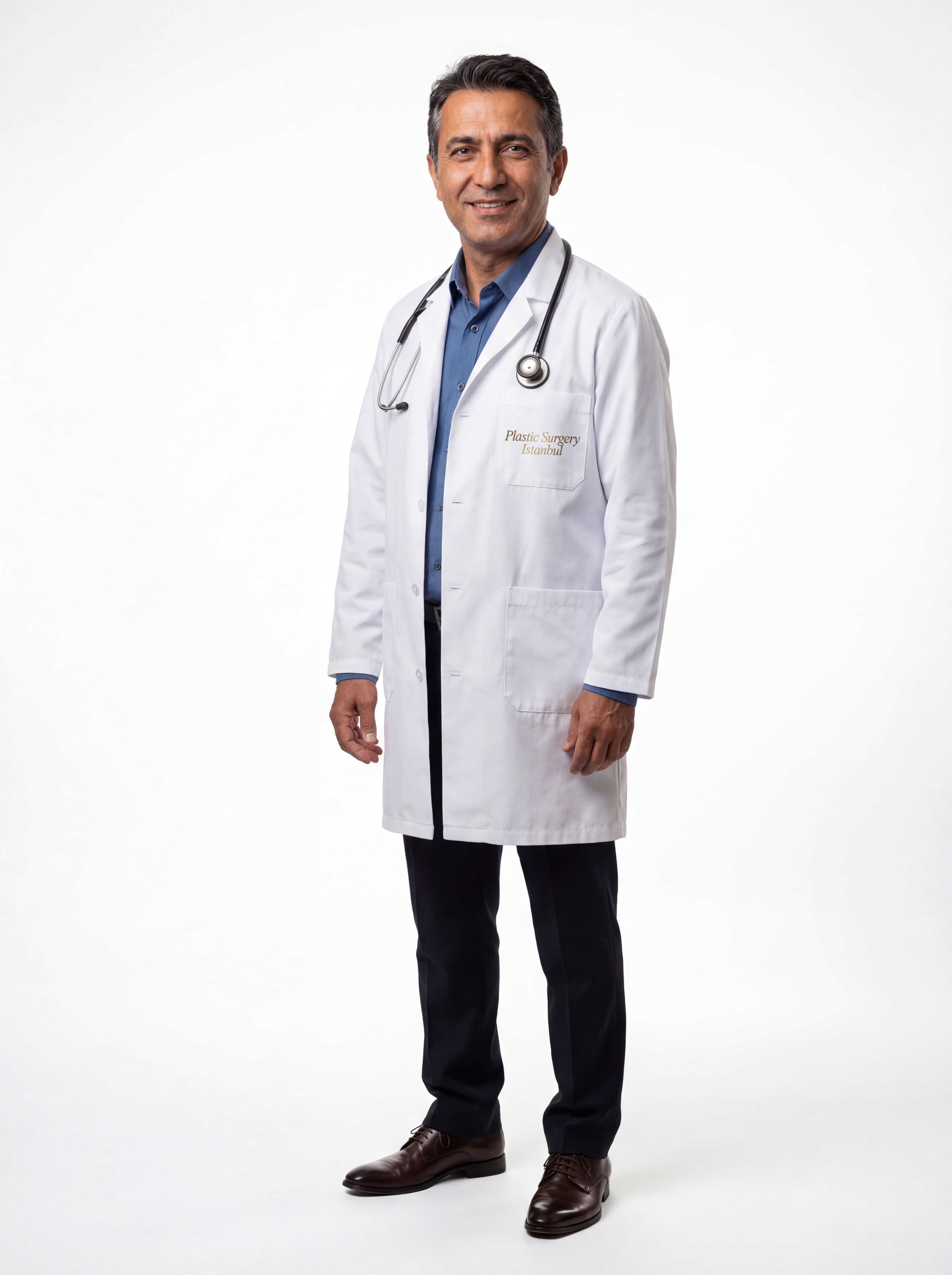
Every restriction protocol on this page is developed by Prof. Dr. Mehmet Kaan Uçar — a board-certified plastic surgeon with over 20 years of specialized expertise in facial aesthetic surgery. His evidence-based approach to post-operative restrictions is as precise and individualized as his surgical technique, recognizing that optimal outcomes require both surgical excellence and disciplined recovery management.
Prof. Dr. Uçar is an active member of ISAPS (International Society of Aesthetic Plastic Surgery), representing the global top 5% of plastic surgeons. His patients receive personalized restriction timelines — not generic advice — calibrated to their specific procedure type, age, health status, and healing progress. This individualized approach is a key differentiator of the Plastic Surgery Istanbul experience.
- Board-Certified Plastic Surgeon — 20+ Years Experience
- ISAPS Member (International Society of Aesthetic Plastic Surgery)
- 10,000+ Successful Aesthetic Procedures
- Evidence-Based Post-Operative Restriction Protocols
- JCI-Accredited Hospital Operating Privileges
- Published Researcher in Periorbital Surgery
Your Blepharoplasty Journey at Plastic Surgery Istanbul
Free Online Consultation
Submit your photos and receive a personalized surgical assessment, recovery timeline, and exact all-inclusive pricing from Prof. Dr. Uçar within 24 hours.
Pre-Surgery Preparation
Follow the personalized pre-surgery checklist — stop restricted supplements, optimize nutrition, and prepare your recovery environment at home.
VIP Arrival in Istanbul
Private airport transfer to your 5-star hotel. Meet your dedicated patient coordinator who manages every detail of your stay and recovery.
Surgery Day
Blepharoplasty at JCI-accredited hospital by Prof. Dr. Uçar. Procedure takes 45–90 minutes under local anesthesia with sedation. Return to your hotel the same day.
Guided Recovery with Clear Restrictions
Follow your personalized restriction timeline with daily coordinator check-ins. Every limitation has a specific end date — no ambiguity, no guessing.
12-Month Follow-Up Support
After returning home, receive ongoing recovery guidance. Virtual check-ins at Week 2, Month 1, Month 3, Month 6, and Month 12 ensure optimal long-term results.
Frequently Asked Questions: What to Avoid After Blepharoplasty
Avoid all screens (TV, phone, computer) for the first 48 hours. From Day 3, you can watch TV at a comfortable distance with breaks every 20 minutes. The key concern is reduced blink rate during screen use, which worsens post-operative dryness. Use lubricating eye drops frequently while watching. By Week 2, normal TV watching is generally fine.
Get Your Free Blepharoplasty Consultation
Submit your photos and Prof. Dr. Uçar will provide your personalized surgical plan, recovery restriction timeline, and exact all-inclusive pricing — within 24 hours.