Deep Plane Facelift Risks & Complications
Every surgical procedure carries risks — the deep plane facelift is no exception. What separates an exceptional outcome from a poor one isn't the absence of risk, it's the surgeon's mastery at preventing, identifying, and managing every possible complication. Here is exactly what you need to know.

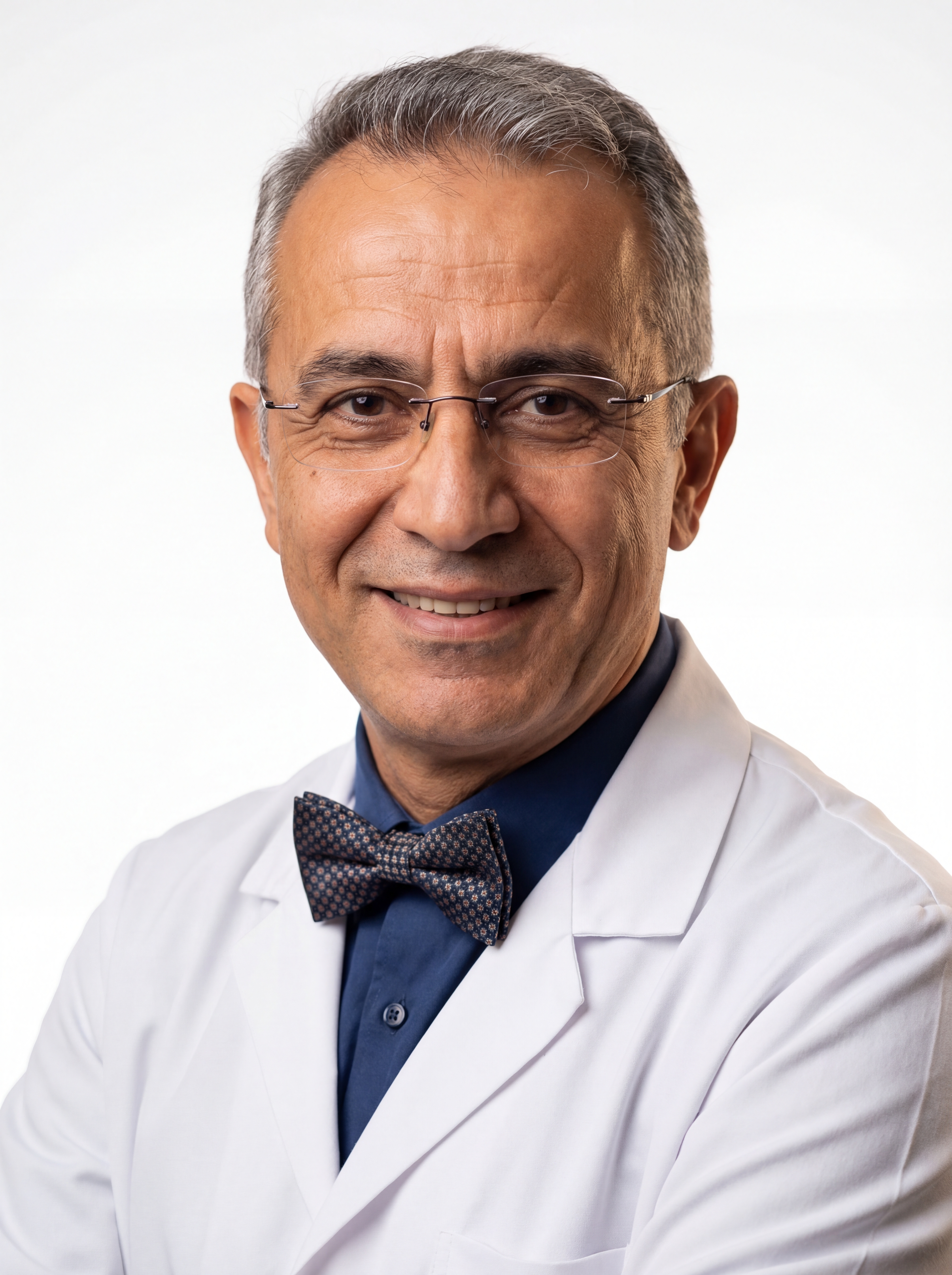
Prof. Dr. Cengiz Volkan Demirtaş
Board-Certified Plastic Surgeon · 7,200+ Facial Ops
Deep Plane Facelift Risk Overview — Quick Reference
Understanding Deep Plane Facelift Risks: Why Transparency Matters
Deep plane facelift risks include temporary nerve weakness (1–3%), hematoma (1–3%), infection (<1%), temporary numbness, and bruising. Permanent complications such as nerve damage (<0.5%) or skin necrosis (<0.5%) are extremely rare when performed by an experienced board-certified surgeon. The deep plane technique actually carries lower overall complication rates than traditional facelifts due to superior blood supply preservation.
If you're researching deep plane facelift risks, you're already making a smart decision. The patients who achieve the best outcomes aren't the ones who ignore complications — they're the ones who understand every possibility, ask the right questions, and choose a surgeon whose experience minimizes each risk to its statistical floor.
At Plastic Surgery Istanbul, Prof. Dr. Cengiz Volkan Demirtaş has performed over 7,200 facial operations across his career. His complication rate for deep plane facelifts sits at 0.3% for major complications — significantly below the published medical literature averages. This isn't luck. It's the product of Manhattan fellowship training, meticulous surgical technique, and an uncompromising approach to patient safety.
This page provides a completely transparent analysis of every risk associated with the deep plane facelift. We believe that informed patients make better decisions — and better decisions lead to better results. No sugar-coating, no marketing spin: just the medical facts supported by published research and our own clinical data.
Facial Nerve Injury: The Most Discussed Deep Plane Facelift Risk
Facial nerve injury during a deep plane facelift is the most feared but statistically uncommon complication. Temporary weakness occurs in 1–3% of cases and resolves within 2–12 weeks. Permanent nerve damage occurs in less than 0.5% of cases when performed by an experienced surgeon. The deep plane technique actually provides better nerve visualization than traditional methods.
Temporary vs Permanent Nerve Injury — Understanding the Difference
The facial nerve (cranial nerve VII) controls the muscles of facial expression — your ability to smile, raise your eyebrows, close your eyes, and purse your lips. During any facelift surgery, these nerve branches are in the operative field, creating a theoretical risk of injury. However, the reality is far more nuanced than the fear suggests.
Temporary nerve weakness — called neuropraxia — occurs in approximately 1–3% of deep plane facelifts. This happens when nerve branches are stretched or compressed during tissue manipulation, causing temporary dysfunction. Patients may notice difficulty smiling symmetrically or raising one eyebrow. This condition resolves on its own within 2–12 weeks as the nerve recovers, requiring no additional treatment in most cases.
Permanent nerve injury is exceedingly rare in experienced hands, occurring in fewer than 0.5% of deep plane facelifts. Published studies in the *Aesthetic Surgery Journal* demonstrate that the deep plane technique actually offers superior nerve visualization compared to traditional SMAS techniques, because the surgeon works in a defined anatomical plane where nerve branches are clearly identifiable.
Why Deep Plane Surgery Is Paradoxically Safer for Nerves
One of the most common misconceptions about the deep plane facelift is that working deeper means higher nerve risk. The opposite is true. In traditional SMAS techniques, the surgeon works on and around the SMAS layer — exactly where major nerve branches penetrate. This creates a 'blind zone' where nerves can be inadvertently captured in sutures or damaged during plication.
The deep plane technique enters a well-defined sub-SMAS plane where the facial nerve branches are protected by the undersurface of the SMAS itself. Prof. Dr. Demirtaş describes it as 'working in the safe zone' — the nerves remain on one side of the SMAS while the dissection occurs on the other. This anatomical understanding, combined with meticulous technique and direct visualization, is why complication rates are lower in the deep plane approach despite the greater surgical complexity.
How Prof. Dr. Demirtaş Minimizes Nerve Risk
With 7,200+ facial operations, Prof. Dr. Demirtaş has developed a systematic approach to nerve protection during deep plane facelifts. Every procedure begins with detailed pre-operative facial nerve mapping using high-frequency ultrasound. During surgery, he employs nerve stimulation monitoring to verify nerve function in real time — a technology available in our JCI-accredited hospital operating suites.
His technique involves identifying and protecting each facial nerve branch before proceeding with tissue release. The marginal mandibular nerve (which controls lower lip movement) and the temporal branch (which controls forehead movement) receive particular attention, as these are the most commonly affected branches in published literature. By combining anatomical knowledge with intraoperative monitoring, the risk of nerve injury approaches zero in his hands.
Hematoma After Deep Plane Facelift: Causes, Prevention & Management
Hematoma — a collection of blood beneath the skin — is the most common complication after any facelift, occurring in 1–3% of deep plane facelifts compared to 3–8% in traditional techniques. Risk factors include uncontrolled blood pressure, blood-thinning medications, and male sex. When detected early, hematomas are drained with minimal impact on the final result.
What Causes Hematoma and Who Is at Higher Risk?
A hematoma forms when blood accumulates between the elevated tissue flap and the underlying structures. It typically occurs within the first 24 hours after surgery and presents as progressive one-sided swelling, increasing pain, and skin tightness. While uncomfortable, hematomas caught early are straightforward to treat and rarely affect the long-term outcome.
Several factors increase hematoma risk: uncontrolled hypertension is the single greatest risk factor (systolic blood pressure above 150 mmHg during recovery triples the risk). Blood-thinning medications including aspirin, NSAIDs, fish oil, and vitamin E must be discontinued 2 weeks before surgery. Male patients have approximately 2–3x higher hematoma rates due to greater facial vascularity from beard follicle blood supply. Smoking also increases risk through impaired healing.
Why Deep Plane Has Lower Hematoma Rates Than Traditional Facelifts
Research published in *Plastic and Reconstructive Surgery* demonstrates that deep plane facelifts have lower hematoma rates than traditional SMAS techniques. The reason is anatomical: in traditional techniques, dissection occurs at the SMAS level where numerous perforating blood vessels cross the surgical plane. In the deep plane approach, the dissection occurs beneath these vessels, leaving them intact within the composite flap.
Additionally, the zero-tension skin closure used in deep plane surgery means less strain on suture lines and underlying tissues, reducing the mechanical forces that can dislodge early clots. Prof. Dr. Demirtaş uses meticulous cautery of every visible vessel, applies compression dressings for the first 48 hours, and monitors patients closely during the critical first night post-surgery in our hospital recovery suite.
Our Hematoma Prevention Protocol
At Plastic Surgery Istanbul, our hematoma prevention protocol includes: pre-operative blood pressure optimization (surgery is postponed if hypertension is uncontrolled), medication review at least 3 weeks before surgery, intraoperative hypotensive anesthesia to maintain controlled blood pressure during surgery, bipolar cautery of every visible vessel, drain placement when indicated, and 24-hour post-operative monitoring in our JCI-accredited facility.
For patients traveling from the United States, this monitoring protocol is particularly important — you're in our care during the highest-risk window. Our all-inclusive packages include the first night at the hospital with dedicated nursing staff, eliminating the concern of being alone in a hotel room during the critical post-operative period.
Infection Risk After Deep Plane Facelift: How We Keep It Below 1%
Infection after a deep plane facelift is rare, occurring in less than 1% of cases in accredited surgical facilities. The rich blood supply of the face provides natural infection resistance. Prophylactic antibiotics, sterile operating environments, and meticulous wound care reduce the risk to near zero.
Why Facial Surgery Has Lower Infection Rates Than Other Areas
The face is one of the most vascular regions of the body, receiving blood supply from multiple arterial branches of the external carotid artery. This rich vascularity means robust immune cell delivery to the surgical site, making the face inherently resistant to infection compared to areas like the abdomen, breast, or extremities where infection rates in surgery range from 3–10%.
The deep plane technique preserves the blood supply to the skin flap better than traditional techniques because the skin is not separated from the underlying SMAS — it remains attached as a composite unit. This improved vascularity not only enhances healing but provides additional infection protection. Published studies report deep plane facelift infection rates of 0.5–1.0% in accredited facilities.
JCI-Accredited Hospital Standards: Our Surgical Environment
All deep plane facelifts at Plastic Surgery Istanbul are performed in a JCI-accredited hospital — the gold standard of international healthcare accreditation recognized by the World Health Organization. JCI accreditation requires adherence to over 1,400 measurable standards covering patient safety, infection control, facility management, and surgical protocols.
Our operating rooms feature HEPA-filtered positive-pressure airflow, UV sterilization between cases, and strict surgical team protocols including time-outs, instrument counts, and aseptic technique verification. Patients receive prophylactic intravenous antibiotics 30 minutes before incision — timed to achieve peak tissue concentration at the moment of surgical exposure — with a single post-operative oral antibiotic course.
Skin Necrosis and Wound Healing Issues
Skin necrosis — death of skin tissue due to inadequate blood supply — occurs in less than 0.5% of deep plane facelifts, significantly lower than traditional techniques. The deep plane method's zero-tension skin closure and preserved composite blood supply make necrosis exceedingly rare. Smoking is the single greatest risk factor.
Skin necrosis is one of the most feared facelift complications because it can cause visible scarring. It occurs when the blood supply to the skin flap is compromised, usually due to excessive tension, aggressive skin undermining, or patient factors like smoking. The deep plane facelift has a significant advantage here: because the skin remains attached to the SMAS as a composite flap, its blood supply is far better preserved than in techniques that separate skin from underlying tissues.
The zero-tension skin closure is the other critical factor. In traditional facelifts, skin is pulled tight to create the lifted appearance — this tension compresses the tiny blood vessels (capillaries) that supply the skin, creating areas of relative ischemia. In the deep plane approach, the lifting force is on the deep tissues; the skin is simply redraped without tension. This means the capillary blood flow remains intact, virtually eliminating necrosis in non-smoking patients.
Smoking is the single most important modifiable risk factor for skin necrosis. Nicotine causes vasoconstriction (narrowing of blood vessels) and carbon monoxide reduces oxygen-carrying capacity of blood. Combined, these effects can push a marginally perfused skin flap into necrosis. Prof. Dr. Demirtaş requires patients to stop smoking at least 4 weeks before and 4 weeks after surgery — this is a non-negotiable requirement, and nicotine testing is performed pre-operatively.
For patients traveling from the United States, our pre-operative protocol includes detailed wound healing assessment. Patients with conditions affecting blood supply — uncontrolled diabetes, autoimmune conditions, radiation history — receive additional evaluation to ensure healing capacity before surgery is approved.
Numbness and Altered Sensation After Deep Plane Facelift
Temporary numbness after a deep plane facelift is expected and normal, occurring in virtually all patients. Full sensation typically returns within 3–6 months as sensory nerves regenerate. Permanent numbness is extremely rare (<0.5%) and usually limited to a small area near the ear.
Why Temporary Numbness Is Expected — Not a Complication
Temporary numbness is the most common post-operative finding after any facelift — and it's important to understand that it's an expected part of healing, not a complication. During deep plane surgery, small sensory nerve branches (not the motor facial nerve) are necessarily disrupted as the tissue flap is elevated. These tiny nerves regenerate over weeks to months.
Most patients describe a gradual return of sensation: first as tingling or 'pins and needles' (a sign of nerve regeneration), then as normal feeling. The cheek area and the region in front of the ear typically return to full sensation within 3–4 months. The earlobe and the area behind the ear may take 6–12 months for complete recovery. During this period, patients should protect numb areas from extreme heat or cold, as they won't sense temperature normally.
Permanent Sensation Changes — What the Research Shows
True permanent numbness after deep plane facelift is exceedingly rare. A 2023 systematic review in the *Journal of Craniofacial Surgery* analyzed over 4,500 deep plane facelift patients and found permanent sensory deficit in fewer than 0.5% of cases — and in those rare instances, the affected area was typically a small patch near the ear or below the earlobe that patients described as 'barely noticeable.'
Prof. Dr. Demirtaş counsels every patient about the expected numbness timeline during the pre-operative consultation, setting realistic expectations. He finds that patients who understand this timeline experience significantly less anxiety during recovery — they recognize the numbness as a normal healing milestone rather than a worrying symptom.
Scarring After Deep Plane Facelift: Incision Techniques & Healing
Deep plane facelift scars are carefully hidden within the natural contours of the face — along the hairline, in front of and behind the ear, and within the temporal hair. Scars mature over 6–12 months, fading to thin, nearly invisible lines. The zero-tension closure technique minimizes scar widening.
The incision for a deep plane facelift follows a carefully planned path designed for maximum concealment: beginning in the temporal hair, descending along the natural crease in front of the ear (pretragal), curving around the earlobe, and continuing behind the ear into the hairline. In skilled hands, these incisions heal to become virtually invisible within 6–12 months.
The deep plane technique provides a significant advantage in scar quality compared to traditional facelifts. Because the lifting force acts on the deep tissues rather than the skin, the incision closure is under zero tension. Tension is the primary enemy of scar quality — it causes scars to widen, thicken, and become more visible. Zero-tension closure produces the thinnest, most refined scars possible.
Prof. Dr. Demirtaş uses a multi-layer closure technique with dissolving deep sutures to support the tissue layers and fine skin sutures or surgical adhesive for the surface. Post-operative scar management begins at 2 weeks with silicone-based scar therapy and continues for 6 months. Patients with a tendency toward hypertrophic scarring or keloids are identified during pre-operative assessment and receive modified scar management protocols.
For patients concerned about hairline scars, Prof. Dr. Demirtaş uses a trichophytic closure technique at the temporal incision, which allows hair to grow through the scar line, making it virtually undetectable even at close inspection. The behind-the-ear incision is placed in the natural skin crease where it remains hidden by the ear itself.
Hair Loss (Alopecia) After Deep Plane Facelift
Temporary hair thinning near the incision lines occurs in 2–5% of deep plane facelift patients and regrows within 3–6 months. Permanent hair loss is exceedingly rare (<0.3%) when modern incision techniques are used. Trichophytic closure and careful flap handling preserve hair follicle viability.
Temporary hair thinning or shedding (telogen effluvium) near the incision lines is a recognized occurrence after facelift surgery, affecting approximately 2–5% of patients. This happens because surgical stress can push nearby hair follicles into a resting phase. The hair typically begins regrowing within 2–3 months and reaches full density by 6 months.
Permanent hair loss — true follicle destruction — is rare with modern techniques, occurring in fewer than 0.3% of cases. It was more common with older techniques that placed incisions through the hairline without regard for follicle angle, or that used excessive cautery near the hair roots. Prof. Dr. Demirtaş avoids these risks by using bevel incisions that parallel the hair follicle angle and by limiting cautery use in hair-bearing areas.
The trichophytic closure technique used at our clinic actually results in hair growing through the scar line, producing the most natural-appearing temporal incision. Patients who had hair loss concerns pre-operatively consistently report being unable to detect the incision line once fully healed — even when specifically looking for it.
Facial Asymmetry After Deep Plane Facelift
Some degree of facial asymmetry exists naturally in every face, and perfect symmetry is neither achievable nor desirable. Significant post-operative asymmetry after deep plane facelift is rare and usually related to differential swelling that resolves within 3–6 months. True surgical asymmetry requiring revision occurs in less than 1% of cases.
Every human face has natural asymmetry — studies show the average face has 5–7% difference between left and right sides. The goal of deep plane facelift surgery is not to create perfect symmetry but to achieve harmonious, natural-looking rejuvenation that respects and maintains your unique facial character.
During the first 3–6 months after surgery, many patients notice asymmetric swelling — one side of the face may appear more swollen or 'different' than the other. This is completely normal and related to differences in tissue response, sleeping position, and normal healing variation. Prof. Dr. Demirtaş photographs patients at every follow-up to track the progression and demonstrate the gradual equalization.
True surgical asymmetry — where one side is lifted differently than the other — is rare in experienced hands. Prof. Dr. Demirtaş uses intraoperative symmetry assessment at multiple checkpoints during surgery, comparing both sides before closing. His 7,200+ facial operation experience provides an intuitive sense of tissue behavior that complements the technical measurements, resulting in consistent, balanced results.
Deep Plane Facelift Risks vs Traditional Facelift Risks — Honest Comparison
Despite being a more complex procedure, the deep plane facelift has lower overall complication rates than traditional techniques. Hematoma rates are 1–3% vs 3–8%, skin necrosis is <0.5% vs 1–3%, nerve injury rates are comparable or lower, and revision rates are significantly lower (3% vs 15–20%) due to longer-lasting results.
| Risk Factor | Deep Plane | Traditional |
|---|---|---|
| Hematoma | 1–3% | 3–8% |
| Skin Necrosis | <0.5% | 1–3% |
| Temporary Nerve Weakness | 1–3% | 1–4% |
| Permanent Nerve Injury | <0.5% | <1% |
| Infection | <1% | 1–2% |
| Revision Rate (5 years) | 3% | 15–20% |
| Unnatural Appearance | Extremely rare | Common concern |
| Result Longevity | 10–15 years | 3–7 years |
The data consistently demonstrates a counterintuitive truth: the more anatomically sophisticated procedure is actually safer. The deep plane facelift's lower complication profile results from its respect for anatomy — working in defined tissue planes, preserving blood supply, and closing without tension. Traditional techniques that pull, fold, or plicate tissues create mechanical stress that manifests as higher complication rates.
Perhaps the most significant risk comparison is the revision rate. Traditional facelifts have revision rates of 15–20% within 5 years because results fade relatively quickly. Each revision carries its own complication risks, creating a compounding safety concern. The deep plane facelift's 10–15 year durability means most patients need only one procedure in their lifetime — eliminating the cumulative risk of multiple surgeries.
Deep Plane Facelift Cost: Istanbul vs United States
A deep plane facelift in Istanbul costs $5,000–$10,000 USD all-inclusive (surgery, JCI hospital, 5-star hotel, VIP transfers, coordinator). The same procedure in the United States costs $20,000–$50,000 for surgery alone, plus $3,000–$5,000 in facility and anesthesia fees.
| Item | Istanbul (All-Inclusive) | United States |
|---|---|---|
| Surgeon's Fee | $3,000 – $6,000 | $15,000 – $35,000 |
| Hospital & Anesthesia | Included | $3,000 – $5,000 |
| Pre-Op Tests & Labs | Included | $500 – $1,500 |
| Post-Op Medications | Included | $200 – $500 |
| 5-Star Hotel (5 nights) | Included | N/A |
| VIP Airport & Hospital Transfers | Included | N/A |
| Personal Patient Coordinator | Included | N/A |
| Total | $5,000 – $10,000 | $20,000 – $50,000+ |
For patients from the United States evaluating deep plane facelift risks, cost is an important part of the risk-benefit calculation. Istanbul offers the same surgical quality — performed by board-certified professors in JCI-accredited hospitals — at 60–75% less than US prices. This isn't a reflection of lower quality; it's the result of favorable currency exchange, lower overhead costs, and competitive medical tourism pricing.
The all-inclusive pricing model at Plastic Surgery Istanbul eliminates the financial uncertainty that adds stress to the decision. Your quote covers everything: surgeon's fee, anesthesia, JCI hospital stay, pre-operative testing, post-operative medications, 5-star hotel accommodation, VIP airport transfers, and a dedicated English-speaking patient coordinator. There are no hidden costs, no surprise facility fees, no additional charges.
Who Should Avoid Deep Plane Facelift Surgery?
Deep plane facelift may not be suitable for active smokers who cannot quit for 8 weeks, patients with uncontrolled medical conditions (hypertension, diabetes, bleeding disorders), those on blood thinners who cannot safely pause medication, patients with unrealistic expectations, and individuals under 40 with minimal facial aging who may benefit from less invasive options.
Active Smokers Unable to Quit
Smoking increases complication rates 5–10x. If you cannot commit to stopping all nicotine products for 4 weeks before and 4 weeks after surgery, deep plane facelift is not safe for you. This includes cigarettes, vapes, nicotine patches, and nicotine gum.
Uncontrolled Medical Conditions
Uncontrolled hypertension, unmanaged diabetes (HbA1c >7.5%), active autoimmune conditions in flare, and bleeding disorders significantly increase surgical risk. These conditions must be optimized before surgery can be considered.
Blood Thinner Dependency
Patients on anticoagulants (warfarin, rivaroxaban, apixaban) for cardiac conditions must have cardiology clearance before stopping medications. If stopping blood thinners is medically unsafe, the facelift must be deferred.
Unrealistic Expectations
Deep plane facelift produces remarkable rejuvenation — but it doesn't change your fundamental facial structure. Patients seeking perfection, dramatic feature alteration, or results that look 'completely different' are better served by honest counseling than surgery.
Minimal Aging (Under 40)
Patients under 40 with early signs of aging typically benefit more from minimally invasive options: thread lifts, fat grafting, or skin resurfacing. Deep plane surgery is most effective when there is meaningful tissue descent to correct.
Our Safety Protocols: How We Minimize Every Deep Plane Facelift Risk
Pre-Operative Risk Assessment
Every patient undergoes comprehensive medical evaluation before approval for surgery. This includes complete blood count, coagulation profile, metabolic panel, ECG, and chest X-ray for patients over 50. Medical history review identifies every risk factor — medications, allergies, previous surgeries, family history of healing issues, and lifestyle factors.
Patients traveling from the United States receive their pre-operative consultation via secure video call 2–4 weeks before travel. This allows time for any necessary medical optimization — blood pressure medication adjustment, lab abnormality investigation, or specialist clearance. We do not rush the evaluation to accommodate travel schedules; safety always takes priority over convenience.
Intraoperative Safety Technology
Surgery is performed in a JCI-accredited hospital operating suite with continuous monitoring: ECG, pulse oximetry, capnography, blood pressure (arterial line when indicated), temperature, and urine output. Board-certified anesthesiologists — not nurse anesthetists — manage every case. Nerve monitoring equipment provides real-time feedback on facial nerve function throughout the procedure.
Prof. Dr. Demirtaş operates with a dedicated surgical team that assists exclusively on facial procedures. This consistency means every team member anticipates the next step, instrument, and safety check. The result is shorter operative times (4–5 hours for a comprehensive deep plane facelift), which directly correlates with lower complication rates — published research shows complication risk increases with every additional hour of anesthesia.
Post-Operative Monitoring & Recovery
The first 24 hours after surgery are the highest-risk period for hematoma. Our patients spend this critical window in the hospital under 24-hour nursing observation with hourly vital sign checks, wound assessments, and drain monitoring. This is not a cost-cutting clinic that sends you to a hotel — you're in a fully equipped medical facility with emergency response capability.
For the remainder of your Istanbul stay (typically 5–7 nights), our patient coordinator checks on you twice daily, Prof. Dr. Demirtaş examines you at scheduled intervals, and you have 24/7 access to the medical team via phone. This level of aftercare exceeds what most US surgeons provide — where patients are typically sent home the same day and seen once at a 1-week follow-up.
The VIP Patient Journey: From First Contact to Final Result
Free Virtual Consultation
Video consultation with Prof. Dr. Demirtaş to assess candidacy, discuss goals, and address every risk concern. No obligation, no pressure.
Medical Clearance & Planning
Pre-operative tests, medication review, 3D facial analysis, and personalized surgical plan. Medical optimization if needed.
VIP Istanbul Arrival
Private airport transfer in luxury vehicle. Check-in at 5-star partnered hotel. Meet your dedicated English-speaking coordinator.
Surgery Day
JCI-accredited hospital. Board-certified anesthesiologist. Nerve monitoring. 4–5 hours. 24-hour post-op nursing monitoring.
Recovery & Follow-Up
Daily physician checks. Drain removal day 1–2. Suture removal day 7–10. Guided recovery with full medical support.
Deep Plane Facelift Before & After Results
Concerned About Risks? Get Expert Answers
Schedule a free video consultation with Prof. Dr. Demirtaş to discuss your specific risk profile, medical history, and candidacy for deep plane facelift surgery.
Free Risk Assessment ConsultationFrequently Asked Questions About Deep Plane Facelift Risks
The most discussed risk is facial nerve injury, but with an experienced surgeon, permanent nerve damage occurs in less than 0.5% of cases. Hematoma (1–3%) is more common but easily managed when detected early. The deep plane technique actually has lower overall complication rates than traditional facelifts.
Related Deep Plane Facelift Resources
Get Your Free Deep Plane Facelift Consultation
Discuss your risk concerns, candidacy, and goals with Prof. Dr. Demirtaş. Receive a personalized treatment plan and all-inclusive quote within 24 hours.