Blepharoplasty vs Facelift: Which Facial Rejuvenation Procedure Is Right for You?
Blepharoplasty targets the eyelids while a facelift addresses the lower face, jawline, and neck — but many patients benefit from both. This evidence-based guide helps you understand the differences, costs, and recovery so you can make an informed decision. Turkey offers all-inclusive blepharoplasty from $1,500 and facelifts from $4,500 at JCI-accredited hospitals.
From $1,500
All-Inclusive Package
Blepharoplasty vs Facelift: Understanding Two Different Surgical Zones
Blepharoplasty (eyelid surgery) removes excess skin, fat, and muscle from the upper and lower eyelids, while a facelift (rhytidectomy) tightens and repositions sagging skin and deeper tissue (SMAS layer) across the midface, jawline, and neck. Blepharoplasty addresses hooded lids, under-eye bags, and periorbital aging; a facelift corrects jowls, deep nasolabial folds, and neck banding. They target entirely different anatomical zones and are frequently combined for comprehensive facial rejuvenation.
Blepharoplasty vs facelift is one of the most common questions patients over 40 ask when they begin researching facial rejuvenation options. Both procedures dramatically turn back the clock — but they operate on completely different parts of the face. Understanding this distinction is essential before committing to surgery, because choosing the wrong procedure means targeting the wrong problem.
The eyes and the lower face age through different mechanisms. Periorbital aging involves thinning eyelid skin, fat herniation (bulging fat pads), and muscle weakening — creating hooded lids, puffy under-eye bags, and a tired appearance even when well-rested. Lower face aging involves volume loss, gravity-induced descent of the SMAS (superficial musculoaponeurotic system), and skin laxity — producing jowls, marionette lines, deep nasolabial folds, and a sagging neck.
At Plastic Surgery Istanbul, Prof. Dr. Mehmet Kaan Uçar specializes in both blepharoplasty and facelift procedures — and frequently combines them. With over 20 years of facial surgery expertise and active ISAPS membership, he evaluates each patient's entire facial anatomy to recommend a procedure plan that delivers harmonious, natural-looking results rather than addressing one zone while neglecting another.
According to ASPS (American Society of Plastic Surgeons), over 325,000 blepharoplasty procedures and 135,000 facelifts were performed in the US in 2024 alone. The trend is toward combined procedures — addressing the full face rather than isolated zones — with Turkey emerging as the leading destination for patients seeking board-certified expertise at 65–80% lower cost than US pricing.
Head-to-Head: Blepharoplasty vs Facelift Comparison Table
Blepharoplasty addresses the eyelids with 45–90 min surgery, 7–14 day recovery, and costs $1,500–$3,500 in Turkey. A facelift addresses jowls, midface, and neck with 3–5 hour surgery, 2–4 week recovery, and costs $4,500–$8,000 in Turkey. Both provide long-lasting results: 10–15 years for blepharoplasty, 7–12 years for facelift.
| Factor | Blepharoplasty | Facelift |
|---|---|---|
| Target Area | Upper and lower eyelids (periorbital zone) | Midface, jawline, neck (lower two-thirds) |
| Primary Goal | Remove excess eyelid skin & fat | Lift and tighten sagging facial tissue |
| Surgical Layer | Skin, orbicularis muscle, orbital fat | Skin + SMAS (deep tissue layer) |
| Best For | Hooded lids, under-eye bags, tired look | Jowls, nasolabial folds, turkey neck |
| Cannot Treat | Jowls, sagging midface, neck banding | Hooded eyelids, under-eye bags |
| Procedure Time | 45–90 minutes | 3–5 hours |
| Anesthesia | Local with sedation or general | General anesthesia |
| Recovery Time | 7–14 days | 2–4 weeks |
| Return to Work | 7–10 days | 14–21 days |
| Results Longevity | 10–15+ years | 7–12 years |
| Scarring | Hidden in eyelid crease (virtually invisible) | Hidden around ears and hairline |
| Cost in Turkey | $1,500–$3,500 (all-inclusive) | $4,500–$8,000 (all-inclusive) |
| Cost in USA | $4,000–$12,000 | $12,000–$35,000 |
| Ideal Age Range | 35–70+ | 45–75 |
Eyelids, Face, or Both?
Free analysis with Prof. Dr. Uçar — he'll determine whether blepharoplasty, facelift, or the combination approach best addresses your specific anatomy and goals.
When Blepharoplasty Is the Right Choice
Blepharoplasty is ideal when your primary concern is the eye area — hooded upper lids, puffy under-eye bags, excess skin obscuring your eyelid crease, or a perpetually tired appearance. If your jawline, cheeks, and neck remain relatively firm, blepharoplasty alone can make you look 5–10 years younger.
Hooded or Heavy Upper Eyelids
When excess upper eyelid skin droops over the lash line, it creates a heavy, tired, or even angry appearance. Upper blepharoplasty precisely removes this redundant skin and repositions the fat pads, restoring a clean, open eyelid crease. This is the most common reason patients under 50 seek blepharoplasty.
Under-Eye Bags That Don't Respond to Sleep
Genetic or age-related fat herniation causes permanent puffiness beneath the eyes that no amount of rest, concealer, or eye cream can fix. Lower blepharoplasty repositions or removes the herniated fat pads and tightens the lower lid skin — eliminating bags permanently rather than temporarily camouflaging them.
Functional Vision Impairment
Severe upper eyelid drooping (dermatochalasis) can actually obstruct your peripheral vision. In these cases, blepharoplasty becomes medically necessary rather than purely cosmetic — and may even be covered by insurance in the US. Prof. Dr. Uçar performs visual field testing to document functional impairment before surgery.
Early Aging Signs (35–50 Age Group)
If you're noticing the first signs of facial aging primarily around your eyes — crow's feet, slight hooding, early bag formation — but your lower face remains firm, blepharoplasty alone delivers maximum impact with minimal intervention. There's no need for a facelift when the problem is localized to the periorbital zone.
Quick Recovery Requirements
With only 7–14 days of visible recovery (bruising and swelling), blepharoplasty fits patients who cannot take extended time off work. By contrast, a facelift requires 2–4 weeks before you're socially presentable — making blepharoplasty the practical choice for busy professionals.
When a Facelift Is the Right Choice
A facelift is the right procedure when your primary concerns involve jowl formation, deep nasolabial folds, sagging cheeks, or neck banding and laxity. If gravity has pulled your midface and lower face downward and no amount of skincare or injectables restores definition, a facelift addresses the underlying structural descent.
Jowl Formation Along the Jawline
When fat and skin descend below the jawline, creating jowls, no non-surgical treatment can adequately correct the problem. A facelift lifts and repositions the descended SMAS layer — the deep structural tissue beneath the skin — restoring a clean, defined jawline. This is the single most common indication for facelift surgery.
Deep Nasolabial Folds and Marionette Lines
While fillers can temporarily soften nasolabial folds, a facelift addresses the root cause — midface descent. By lifting the cheek pad back to its youthful position, the fold naturally diminishes without the overfilled, unnatural look that excessive filler creates.
Turkey Neck or Neck Banding
Platysmal bands (visible vertical cords in the neck) and horizontal neck creases indicate neck aging that only surgical intervention can correct. Prof. Dr. Uçar often combines a lower facelift with platysmaplasty (neck muscle tightening) to create a smooth, defined cervicomental angle — the angle between chin and neck.
Volume Loss and Midface Descent
The youthful face is an inverted triangle — full cheeks tapering to a defined chin. Aging reverses this, creating a rectangular or even drooping facial shape. A deep plane facelift repositions the descended fat pads and SMAS layer, restoring the youthful triangular contour without relying on volumizing fillers.
Overall Facial Aging (50+ Age Group)
When aging affects the entire lower two-thirds of your face — not just one area — a facelift delivers the most transformative result. Patients in their 50s, 60s, and even 70s benefit from comprehensive facial rejuvenation that addresses jowls, cheeks, nasolabial folds, and neck simultaneously in a single procedure.
Blepharoplasty + Facelift: The Power of Combination Surgery
Many patients aged 50 and above benefit most from combining blepharoplasty with a facelift — addressing the entire face in a single surgical session. This approach is not only more cost-effective (saving on anesthesia, hospital fees, and travel costs) but also produces more harmonious results than staging the procedures separately.
Prof. Dr. Uçar frequently recommends the combination approach because addressing only the eyes while ignoring a sagging jawline — or lifting the lower face while leaving heavy, aged eyelids — creates a visual mismatch. The eyes and lower face must age in harmony for results to look natural. Combination surgery ensures both zones are rejuvenated to the same degree.
Recovery for the combined procedure is slightly longer than blepharoplasty alone but not significantly more than a standalone facelift. Most combination patients are socially presentable within 2–3 weeks and see final results at 3–6 months. The all-inclusive cost in Turkey for the combination starts at $5,500 — compared to $16,000–$47,000 in the United States.
According to ISAPS (International Society of Aesthetic Plastic Surgery), over 40% of facelift patients worldwide now combine the procedure with blepharoplasty. At Plastic Surgery Istanbul, this combination rate exceeds 60% — reflecting Prof. Dr. Uçar's holistic approach to facial aging rather than isolated zone treatment.
Surgical Techniques: What Happens During Each Procedure
Blepharoplasty involves precise incisions hidden in the eyelid crease (upper) or just below the lash line (lower) to remove excess skin and reposition fat. A modern facelift uses deep plane or SMAS technique — going beneath the superficial layer to lift and reposition the structural tissue, not just pulling the skin tight.
Upper Blepharoplasty
An incision is made in the natural eyelid crease, and excess skin, orbicularis muscle, and protruding fat are removed or repositioned. The incision heals within the crease, becoming virtually invisible within 3–6 months. Procedure time: 30–45 minutes per eye.
Lower Blepharoplasty
Either a subciliary approach (incision just below the lash line) or a transconjunctival approach (incision inside the lower eyelid — no external scar). Fat pads are repositioned or removed, and the skin is tightened. Prof. Dr. Uçar often combines lower blepharoplasty with fat repositioning to fill the tear trough.
Deep Plane Facelift
The gold standard in modern facelift surgery. The surgeon releases and lifts the SMAS layer along with the overlying skin as a single unit — producing more natural, longer-lasting results than traditional skin-only facelifts. Prof. Dr. Uçar exclusively uses the deep plane technique for superior outcomes.
Mini Facelift
A less invasive version with shorter incisions and limited SMAS manipulation. Best for patients with mild to moderate jowling and minimal neck laxity. Shorter procedure time (2–3 hours) and faster recovery, but less dramatic results than a full deep plane facelift.
Neck Lift (Platysmaplasty)
Often combined with a facelift, this procedure addresses platysmal bands (visible neck cords) and excess neck skin. The platysma muscle is tightened and excess skin is removed, creating a defined jawline-to-neck transition. Essential for patients with significant neck aging.
Blepharoplasty vs Facelift Cost: Turkey vs. United States (2026)
Blepharoplasty costs $1,500–$3,500 all-inclusive in Turkey vs $4,000–$12,000 in the US. A facelift costs $4,500–$8,000 all-inclusive in Turkey vs $12,000–$35,000 in the US. Combined blepharoplasty + facelift starts at $5,500 in Turkey vs $16,000–$47,000 in the US — saving 65–80%.
| Procedure | Turkey (All-Inclusive) | USA (Surgery Only) | Savings |
|---|---|---|---|
| Upper Blepharoplasty | $1,500 | $4,000–$7,000 | 65–78% |
| Lower Blepharoplasty | $2,000 | $5,000–$9,000 | 60–78% |
| Upper + Lower Blepharoplasty | $2,500–$3,500 | $7,000–$12,000 | 64–71% |
| Mini Facelift | $4,500 | $12,000–$20,000 | 63–78% |
| Full Deep Plane Facelift | $6,000–$8,000 | $15,000–$35,000 | 60–77% |
| Facelift + Blepharoplasty (Combo) | $5,500–$9,000 | $16,000–$47,000 | 66–81% |
| Facelift + Neck Lift | $7,000–$9,000 | $18,000–$40,000 | 61–78% |
Blepharoplasty Only
From $1,500
- Upper or lower blepharoplasty
- JCI-accredited hospital
- Board-certified anesthesiologist
- 5-star hotel (3 nights)
- VIP airport transfers
- All post-op medications
- 1-year follow-up care
Facelift + Blepharoplasty
From $5,500
- Deep plane facelift + blepharoplasty
- JCI-accredited hospital (1 night stay)
- Board-certified anesthesiologist
- 5-star hotel (7 nights)
- VIP airport & city transfers
- Compression garment & medications
- Personal medical concierge
- 1-year follow-up care
Full Facial Rejuvenation
From $8,000
- Deep plane facelift + neck lift + blepharoplasty
- JCI-accredited hospital (2 night stay)
- Board-certified anesthesiologist
- 5-star hotel (10 nights)
- VIP airport & city transfers
- Personal medical concierge 24/7
- Compression garment & all medications
- Lymphatic drainage sessions included
- 1-year follow-up care
Blepharoplasty & Facelift Cost: Turkey vs. Major US Cities
New York City
Bleph: $6,000–$12,000
Facelift: $20,000–$35,000
Save 70–80%
Los Angeles
Bleph: $5,500–$11,000
Facelift: $18,000–$32,000
Save 68–78%
Miami
Bleph: $5,000–$9,000
Facelift: $15,000–$28,000
Save 65–75%
Chicago
Bleph: $4,500–$8,500
Facelift: $14,000–$25,000
Save 63–72%
Houston
Bleph: $4,000–$8,000
Facelift: $12,000–$22,000
Save 60–70%
Dallas
Bleph: $4,500–$9,000
Facelift: $13,000–$24,000
Save 63–73%
San Francisco
Bleph: $6,000–$11,000
Facelift: $18,000–$30,000
Save 67–77%
Boston
Bleph: $5,500–$10,000
Facelift: $16,000–$28,000
Save 65–75%
Safety Profile: Blepharoplasty vs Facelift Risks and Complications
Both blepharoplasty and facelift are safe when performed by board-certified surgeons. Blepharoplasty carries lower surgical risk due to shorter procedure time and less tissue manipulation. Facelift has additional risks including nerve injury (temporary in <1% of deep plane cases) and hematoma (2–3%). Both procedures have high patient satisfaction rates exceeding 95%.
Blepharoplasty is considered one of the safest facial plastic surgery procedures. The most common risks include temporary bruising, swelling, dry eyes, and blurred vision — all of which resolve within 1–2 weeks. Serious complications like ectropion (lower eyelid turning outward) or asymmetry occur in less than 1% of cases when performed by experienced oculoplastic or facial plastic surgeons.
Facelift surgery carries somewhat higher risk due to the larger surgical field and longer anesthesia time. The primary concerns are hematoma (blood collection beneath the skin, occurring in 2–3% of cases), temporary nerve weakness (affecting facial expression, resolving in 2–6 weeks in most cases), and infection (<1%). Deep plane facelifts actually have lower nerve injury rates than older techniques because the nerve anatomy is better visualized.
Prof. Dr. Uçar maintains a sub-2% complication rate across both blepharoplasty and facelift procedures — well below published international averages. This is achieved through meticulous surgical technique, JCI-accredited hospital standards, board-certified anesthesia teams, and comprehensive pre-operative assessment including medical history review, blood work, and cardiac clearance for facelift patients over 60.
For US patients traveling to Istanbul, the safety profile is enhanced by Turkey's position as the #1 medical tourism destination globally (per IMTJ data). The JCI accreditation standard used at Prof. Dr. Uçar's hospital is the same standard used by top US hospitals including Cleveland Clinic and Johns Hopkins.
Recovery Timeline: Blepharoplasty vs Facelift — What to Expect
Blepharoplasty recovery takes 7–14 days with most bruising and swelling resolving in the first week. Facelift recovery takes 2–4 weeks with the first 10 days being the most intensive. Combined procedures follow the facelift timeline. Both procedures show final results at 3–6 months.
Initial Recovery Phase
Blepharoplasty
Cold compresses, head elevation, mild discomfort managed with OTC pain medication. Eyes may feel tight and dry.
Facelift
Surgical drain (removed day 1–2), compression wrap required 24/7, moderate swelling and bruising, prescription pain management.
Early Healing
Blepharoplasty
Stitches removed (day 5–7). Bruising fading to yellow. Most patients feel comfortable going out with sunglasses.
Facelift
Sutures/staples removed. Bruising peaks then begins resolving. Swelling moves downward. Compression wrap worn at night.
Social Recovery
Blepharoplasty
90% of visible bruising resolved. Return to work with minimal concealer. Light exercise permitted.
Facelift
Presentable with makeup/concealer. Most patients can return to non-physical work. Numbness and tightness normal.
Progressive Improvement
Blepharoplasty
Final healing — scars beginning to fade into eyelid crease. Full exercise resumed.
Facelift
Significant improvement. Residual swelling continues decreasing. Light exercise resumed. Scars beginning to mature.
Results Emerging
Blepharoplasty
Scars virtually invisible. Final shape established.
Facelift
80% of final result visible. Tightness resolving. Sensation returning to numb areas.
Final Results
Blepharoplasty
Permanent results established. 10–15+ year longevity.
Facelift
Final result achieved. All swelling resolved. Scars mature and fade significantly.
Expected Results: How Long Do Blepharoplasty and Facelift Last?
Blepharoplasty results are among the longest-lasting in plastic surgery — typically 10–15+ years. Because the eyelid skin is the thinnest on the body (0.5mm vs 2–3mm for other facial skin), once excess is removed, it takes many years for aging to recreate the same degree of redundancy. Many patients never need a second blepharoplasty.
Facelift results typically last 7–12 years depending on the technique used. Deep plane facelifts (Prof. Dr. Uçar's preferred technique) last significantly longer than traditional SMAS plication or skin-only techniques — because they address the structural layer rather than just tightening skin. Patients who maintain healthy habits, use sun protection, and don't smoke can extend their results to 12–15 years.
The combination of blepharoplasty + facelift produces the most transformative and longest-lasting overall result. Patients frequently report looking 10–15 years younger immediately after recovery, with results that age naturally and gracefully. The goal is never a 'pulled' or 'windswept' look — Prof. Dr. Uçar's deep plane technique ensures natural facial movement and expression are preserved.
Patient satisfaction data from Plastic Surgery Istanbul shows a 97% satisfaction rate for combination blepharoplasty + facelift procedures — with most patients stating the procedure exceeded their expectations. The combination of dramatic results, affordable pricing, and VIP concierge care creates an experience that US patients consistently rate higher than domestic options.
Your Specialist: Prof. Dr. Mehmet Kaan Uçar
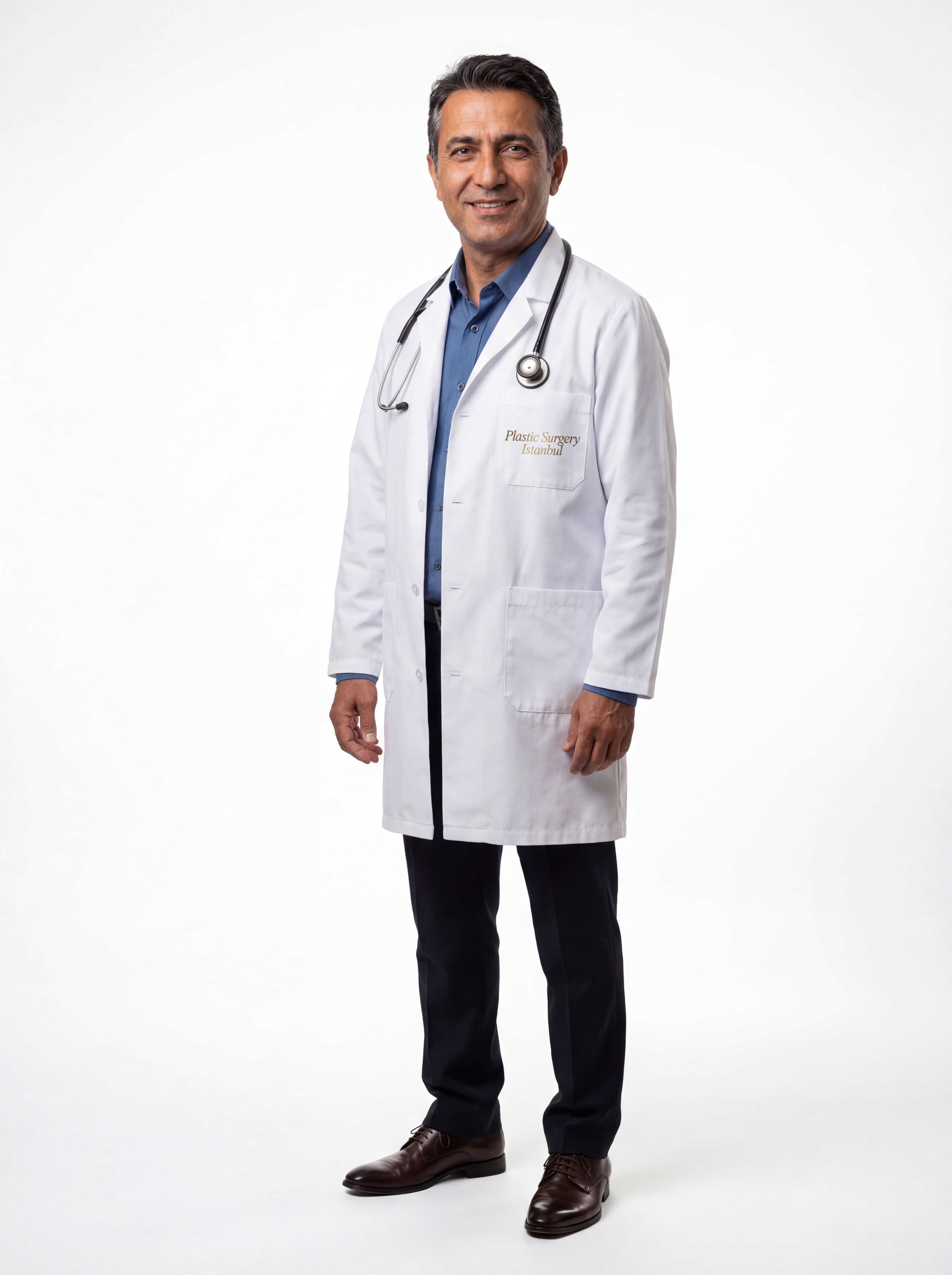
With over 20 years of facial surgery expertise, Prof. Dr. Uçar specializes in both blepharoplasty and deep plane facelift — frequently combining them for comprehensive, natural-looking facial rejuvenation.
- ISAPS Member — Global Top 5%
- 20+ Years Facial Surgery Expertise
- Expert in Deep Plane Facelift
- Sub-2% Complication Rate
- JCI Hospital Affiliation
Your Facial Rejuvenation Journey: 5 Simple Steps
Free Virtual Consultation
Submit your photos and concerns online. Prof. Dr. Uçar personally reviews your facial anatomy and recommends whether blepharoplasty, facelift, or the combination is ideal — with transparent all-inclusive pricing within 24 hours.
Personalized Treatment Plan
Receive a detailed surgical plan including 3D simulations (for applicable procedures), pre-operative instructions, and your all-inclusive package breakdown. Your medical concierge handles all travel logistics and hotel booking.
VIP Arrival in Istanbul
Private airport transfer to your 5-star hotel. Pre-operative blood work and medical evaluation at the JCI-accredited hospital. Meet Prof. Dr. Uçar for final consultation and marking.
Surgery & Recovery
Procedure at JCI-accredited hospital with board-certified anesthesia team. Post-op monitoring and transfer to hotel. Daily medical check-ups during your recovery stay in Istanbul.
Follow-Up & Aftercare
Final check-up with Prof. Dr. Uçar before departure. Detailed aftercare instructions provided. 1-year remote follow-up program with direct WhatsApp access to your surgical team.
Frequently Asked Questions: Blepharoplasty vs Facelift
Yes — combining blepharoplasty with a facelift is one of the most common combinations in facial plastic surgery. Over 60% of Prof. Dr. Uçar's facelift patients also have blepharoplasty performed in the same session. The combined procedure saves on anesthesia costs, eliminates a second recovery period, and produces more harmonious results.
Get Your Free Facial Rejuvenation Consultation
Submit your photos and Prof. Dr. Uçar will recommend whether blepharoplasty, facelift, or a combination approach best addresses your specific concerns — with exact all-inclusive pricing.