What Is a Deep Plane Facelift?
The gold standard in modern facial rejuvenation — a deep plane facelift repositions the deeper structural layers of your face for results that last 10–15 years and look completely natural. Here's everything you need to know.

Deep Plane Facelift — At a Glance
Understanding the Deep Plane Facelift: The Most Advanced Technique in Facial Surgery
A deep plane facelift is an advanced surgical technique that lifts and repositions the deeper structural layers of the face — including the SMAS, deep fat pads, and retaining ligaments — rather than simply tightening the skin. Developed to overcome the limitations of traditional facelifts, it produces dramatically more natural, longer-lasting results without the 'pulled' or 'windswept' appearance that patients fear most.
If you've been researching facial rejuvenation, you've likely encountered the term deep plane facelift — and for good reason. Over the past decade, this technique has emerged as the gold standard among board-certified plastic surgeons worldwide, replacing older methods that relied on skin-only tightening. The deep plane approach represents a fundamental shift in how facial aging is addressed: instead of pulling skin tighter, it lifts and repositions the deeper tissues that have actually descended with age.
The distinction matters enormously. A traditional facelift creates tension on the skin, which produces an immediately visible but short-lived improvement that often looks 'done.' A deep plane facelift works beneath the superficial musculoaponeurotic system (SMAS) to mobilize and reposition muscles, fat pads, and connective tissue — the structures whose descent is actually responsible for jowling, nasolabial fold deepening, and midface hollowing. The skin then drapes naturally over the lifted structures, creating results that look refreshed rather than surgical.
At Plastic Surgery Istanbul, Prof. Dr. Cengiz Volkan Demirtaş has performed over 7,200 facial rejuvenation operations using this advanced technique. His Manhattan fellowship training and extraordinarily high surgical volume have refined his understanding of deep plane anatomy to a level that few surgeons worldwide can match. This guide provides a comprehensive, medically accurate explanation of what a deep plane facelift is, how it works, who it's for, and what results you can realistically expect.
The Science Behind a Deep Plane Facelift: Facial Anatomy Explained
The face ages in layers. The deep plane facelift targets the SMAS layer, deep fat compartments, and retaining ligaments — the actual structures responsible for visible aging. By releasing and repositioning these deep tissues, the technique reverses the root cause of facial aging rather than masking symptoms.
The Layered Structure of the Face
Understanding why the deep plane facelift works requires a basic knowledge of facial anatomy. The face is not a single sheet of tissue stretched over bone — it's a complex, multi-layered structure. From outside to inside, these layers include: skin, subcutaneous fat, the SMAS (superficial musculoaponeurotic system), deep fat compartments, and the periosteum (bone covering). Each layer ages differently, and each plays a role in the changes you see in the mirror.
The SMAS is a fibromuscular layer that connects the facial muscles to the overlying skin. Think of it as the structural framework of the face. When a traditional facelift only tightens skin, it ignores this framework entirely — which is why results fade quickly and often look unnatural. The deep plane facelift works directly on and beneath the SMAS, addressing the structural foundation of the face rather than its outer covering.
Retaining Ligaments: Why Faces Sag
The face is held in its youthful position by a series of retaining ligaments — fibrous bands that tether the soft tissues to the underlying bone. The most important of these include the zygomatic ligaments (at the cheekbone), the masseteric ligaments (along the jaw), and the mandibular ligaments (at the chin). With age, these ligaments stretch and weaken, allowing the soft tissues they support to descend under gravity.
This descent is what creates the hallmark signs of facial aging: deepening nasolabial folds, jowling along the jawline, midface flattening, and hollowing beneath the eyes. A deep plane facelift specifically targets these ligaments — carefully releasing them to allow the descended tissues to be lifted back to their original, youthful position. This is the key anatomical difference between deep plane and traditional techniques, and it's why deep plane results look natural and last dramatically longer.
Deep Fat Compartments and Volume Loss
Beneath the SMAS lie the deep fat compartments — distinct pockets of fat that provide the youthful fullness and contour of the face. Unlike the superficial fat layer (which tends to remain relatively stable), the deep fat compartments deflate and descend with age, contributing to the gaunt, tired appearance that many patients in their 50s and 60s notice.
During a deep plane facelift, Prof. Dr. Demirtaş elevates and repositions these deep fat compartments along with the SMAS and retaining ligaments. This restores the natural volume distribution of the youthful face — cheeks that are full at the apex, a smooth transition from the lower eyelid to the cheek, and a defined jawline free of jowling. No amount of filler, laser treatment, or skin tightening can achieve this structural restoration.
Deep Plane Facelift vs. Traditional Facelift: What's the Difference?
A traditional facelift tightens skin and the superficial SMAS layer, producing 5–7 years of results with a higher risk of looking 'done.' A deep plane facelift works beneath the SMAS to reposition deeper structures, lasting 10–15 years with natural results. The deep plane technique addresses the cause of aging, not just its appearance.
The most important difference between a deep plane facelift and a traditional facelift isn't the incision — it's the depth of surgical dissection and what structures are actually moved. In a traditional facelift, the surgeon lifts the skin, tightens the SMAS layer superficially (through plication or imbrication), removes excess skin, and closes. The deeper structures — fat pads, retaining ligaments, deep connective tissue — are left untouched.
In a deep plane facelift, the surgeon works beneath the SMAS, entering the sub-SMAS plane to release the retaining ligaments and mobilize the entire composite flap of SMAS, muscle, and fat as a single unit. This allows the descended tissues to be repositioned vertically (upward) rather than laterally (pulled sideways), which is the key to natural-looking results. The skin is then redraped without tension — it simply falls into place over the lifted structures.
This technical difference translates directly into outcomes that patients care about. Deep plane patients look naturally younger — their friends notice they look refreshed and rested but can't identify what changed. Traditional facelift patients are more likely to have a 'done' appearance, especially as the skin-only tightening relaxes over the following years. For patients investing in facial rejuvenation, the deep plane technique offers dramatically better value: more natural results that last twice as long.
How a Deep Plane Facelift Is Performed: Step-by-Step
Step 1: Pre-Operative Assessment and 3D Facial Analysis
Every deep plane facelift at Plastic Surgery Istanbul begins with a comprehensive pre-operative assessment. Prof. Dr. Demirtaş uses advanced 3D facial imaging technology to map the specific pattern of your facial aging — identifying which structures have descended, which ligaments need release, and what combination of techniques will achieve the most harmonious result for your unique anatomy.
This assessment is critical because no two faces age identically. The depth of descent, the degree of volume loss, skin quality, and bone structure all vary from patient to patient. A one-size-fits-all approach produces average results; a customized surgical plan based on precise anatomical analysis produces exceptional results.
Step 2: Incision Design
The incisions for a deep plane facelift are carefully planned to be virtually invisible after healing. They typically begin within the hairline at the temple, continue in front of the ear (following the natural crease), curve around the earlobe, and extend behind the ear into the posterior hairline. In patients who also undergo neck work, a small submental incision (beneath the chin) may be added.
Prof. Dr. Demirtaş designs each incision to follow the natural contours of the ear and hairline, ensuring that scars are hidden within the hair-bearing scalp and natural skin creases. After healing, these incisions are essentially undetectable — even to someone looking closely.
Step 3: Deep Plane Dissection
This is the critical step that distinguishes the deep plane technique from all others. Working beneath the SMAS layer, Prof. Demirtaş carefully releases the zygomatic, masseteric, and mandibular retaining ligaments that tether the facial tissues to the underlying bone. This release creates mobility — the descended facial structures can now be lifted and repositioned.
The dissection requires extraordinary precision because the facial nerve branches run within and adjacent to the deep plane. Prof. Demirtaş's 7,200+ facial operations have given him an intimate familiarity with the anatomical variations of the facial nerve, allowing him to work confidently in this plane while maintaining absolute safety. This is the primary reason why surgeon experience matters more in deep plane surgery than in any other facelift technique.
Step 4: Tissue Repositioning
With the retaining ligaments released, the entire composite flap — SMAS, muscles, fat pads, and connective tissue — is lifted and repositioned in a vertical vector. This upward movement restores the youthful contour of the face: the malar fat pads return to the cheekbones, the jowl tissues are lifted above the jawline, and the nasolabial folds are softened from beneath. The platysma muscle in the neck is tightened to eliminate banding and redefine the cervicomental angle.
The vertical vector of lifting is crucial. Traditional facelifts pull tissue laterally (toward the ears), which creates the 'windswept' look. Deep plane lifting moves tissue upward — in the same direction that gravity pulled it down — which is why the results look like a natural reversal of aging rather than a surgical alteration.
Step 5: Skin Redraping and Closure
After the deep structures have been repositioned, the skin is redraped over the lifted framework. Because the underlying tissues are now providing structural support, the skin can be laid down without tension — it simply falls into its new position. Excess skin is precisely trimmed, and the incisions are closed with meticulous technique using fine sutures designed to minimize scarring.
The absence of skin tension is the final piece of the natural-results puzzle. When skin is sewn under tension (as in traditional facelifts), it creates visible pull lines and eventually stretches back, causing results to fade quickly. In a deep plane facelift, the skin sits tension-free over the repositioned deep structures, which means scars heal beautifully and results remain stable for 10–15 years.
Who Is a Good Candidate for a Deep Plane Facelift?
Ideal candidates are typically aged 45–75 with visible midface descent, jowling, deepening nasolabial folds, and neck laxity. Good overall health, realistic expectations, and a desire for long-lasting, natural-looking rejuvenation are essential. Non-smokers with reasonable skin elasticity achieve the best outcomes.
Age Range and Aging Patterns
The most common age range for a deep plane facelift is 45 to 75, but chronological age matters less than your specific pattern of aging. Some patients in their early 40s with genetically premature facial descent are excellent candidates, while some patients in their 70s with primarily skin laxity (rather than deep structural descent) may benefit more from less invasive approaches.
The hallmark signs that indicate you may be an ideal candidate include: jowling along the jawline, deepening nasolabial folds, midface flattening (loss of cheek volume and projection), visible descent of the lower eyelid–cheek junction, and neck banding or laxity. If you see these changes in the mirror and they make you look significantly older or more tired than you feel, a deep plane facelift may be the most effective solution.
Health Requirements
As with any surgical procedure under general anesthesia, good overall health is essential. Patients should have no uncontrolled medical conditions, be non-smokers (or willing to quit at least 4 weeks before and after surgery), and be free from blood-clotting disorders. A comprehensive pre-operative medical evaluation — including blood work, ECG, and medical history review — is performed to ensure surgical safety.
During your virtual consultation with Prof. Dr. Demirtaş, your complete medical history is reviewed to confirm that you are a safe candidate for the procedure. Transparency about medications, supplements, and medical conditions is essential for optimal outcomes and safety.
Realistic Expectations
The most satisfied deep plane facelift patients are those who understand what the procedure can and cannot achieve. A deep plane facelift will reverse 10–15 years of facial aging, restore natural contour, eliminate jowling, and dramatically improve the jawline and neck. It will not change your fundamental facial features, create a face you've never had, or stop the aging process entirely.
Prof. Dr. Demirtaş uses 3D facial simulation during consultation to show you a realistic preview of your expected results. This technology helps align expectations with achievable outcomes and ensures that both surgeon and patient share a clear vision of the goal.
Deep Plane Facelift Recovery: What to Expect Week by Week
Recovery from a deep plane facelift follows a predictable timeline. Understanding each phase helps you plan and set realistic expectations.
Hospital Recovery
Overnight monitoring with 24/7 nursing care. Compression garment in place. Pain is typically mild to moderate, well-controlled with oral medication. Drain removal (if placed) on day 2.
Peak Swelling & Bruising
Swelling and bruising reach their maximum. This is normal and expected. Begin gentle walking. Keep head elevated. Daily clinic check-ups monitor healing.
Visible Improvement
Swelling begins resolving noticeably. Sutures removed at the clinic. Many patients feel comfortable going out with light concealer. Results are already becoming apparent.
Social Recovery
Most bruising resolved. Residual swelling continues decreasing. Many patients are comfortable attending social events. Light work resumes.
Return to Full Activity
Exercise resumes gradually. Residual numbness (normal) continues improving. Results look increasingly natural as swelling fades.
Final Results Emerge
All deep swelling resolves. Tissues settle into their final position. Results continue improving throughout the first year. Remote follow-up with Prof. Demirtaş at 3, 6, and 12 months.
Deep Plane Facelift Results: What You Can Realistically Expect
The results of a deep plane facelift are transformative yet natural — and that's precisely the point. Patients consistently describe their outcome not as 'looking different' but as 'looking like myself, 10–15 years ago.' Friends and family notice they look rested, refreshed, and vibrant, but typically cannot identify that surgery was the cause. This is the hallmark of expert deep plane technique.
In terms of specific improvements: jowling is eliminated, the jawline is sharply redefined, nasolabial folds are dramatically softened, midface volume and projection are restored, and neck banding and laxity are corrected. The overall effect is a harmonious, balanced rejuvenation that affects every area of the lower two-thirds of the face and the neck.
Unlike traditional facelifts that begin fading within 3–5 years, deep plane results remain stable for 10–15 years. Of course, aging continues — but it continues from your rejuvenated baseline. A patient who has a deep plane facelift at 55 will typically look naturally younger than their age well into their late 60s and early 70s.
Risks and Safety: An Honest Assessment
Like all surgical procedures, a deep plane facelift carries risks including bruising, swelling, temporary numbness, and rare complications such as hematoma (2–3%), infection (<1%), and facial nerve injury (<0.5% with experienced surgeons). Choosing a high-volume, board-certified surgeon at a JCI-accredited hospital is the single most important safety factor.
Transparency about surgical risks is a hallmark of ethical medical practice. A deep plane facelift is a safe procedure with a well-established track record, but it is still surgery — and all surgery carries some degree of risk. The most common 'side effects' are bruising, swelling, and temporary numbness, all of which are expected and resolve within weeks to months.
The most significant surgical risk is hematoma (blood collection beneath the skin), which occurs in approximately 2–3% of cases and typically requires a brief return to the operating room for drainage. Infection occurs in less than 1% of cases when performed in a properly accredited facility. Facial nerve injury — the risk that concerns patients most — occurs in less than 0.5% of cases when the procedure is performed by an experienced surgeon, and the vast majority of these are temporary (neuropraxia) rather than permanent.
At Plastic Surgery Istanbul, Prof. Dr. Demirtaş maintains a complication rate consistently below 2% across his 7,200+ facial operations — a rate that reflects the combination of extraordinary surgical experience, meticulous technique, and the JCI-accredited hospital environment in which he operates. These outcomes are benchmarked against international standards published by the International Society of Aesthetic Plastic Surgery (ISAPS) and the American Society of Plastic Surgeons (ASPS).
How Much Does a Deep Plane Facelift Cost?
In the United States, a deep plane facelift costs $25,000–$50,000 for surgery alone. In Istanbul, all-inclusive packages at Plastic Surgery Istanbul range from $5,000–$10,000, covering surgery, anesthesia, JCI hospital stay, 5-star hotel, VIP transfers, coordinator, medications, and 12-month aftercare.
Deep Plane Facelift Cost: Istanbul vs. United States
The cost difference between Istanbul and the United States reflects the dramatically lower operating costs in Turkey — not a difference in quality. Prof. Dr. Demirtaş uses the same techniques, the same caliber of hospital infrastructure, and the same international safety standards as top US surgeons. The savings come from lower facility costs, lower overhead, and a healthcare economy designed around value rather than billing maximization.
Every package at Plastic Surgery Istanbul is all-inclusive and transparently priced. There are no surprise bills, no separate anesthesiologist charges, and no hidden facility fees. You know exactly what you're paying before you leave home. For patients traveling from the United States, the total cost — including international flights — is typically less than one-quarter of what they would pay for surgery alone in New York, Los Angeles, or Miami.
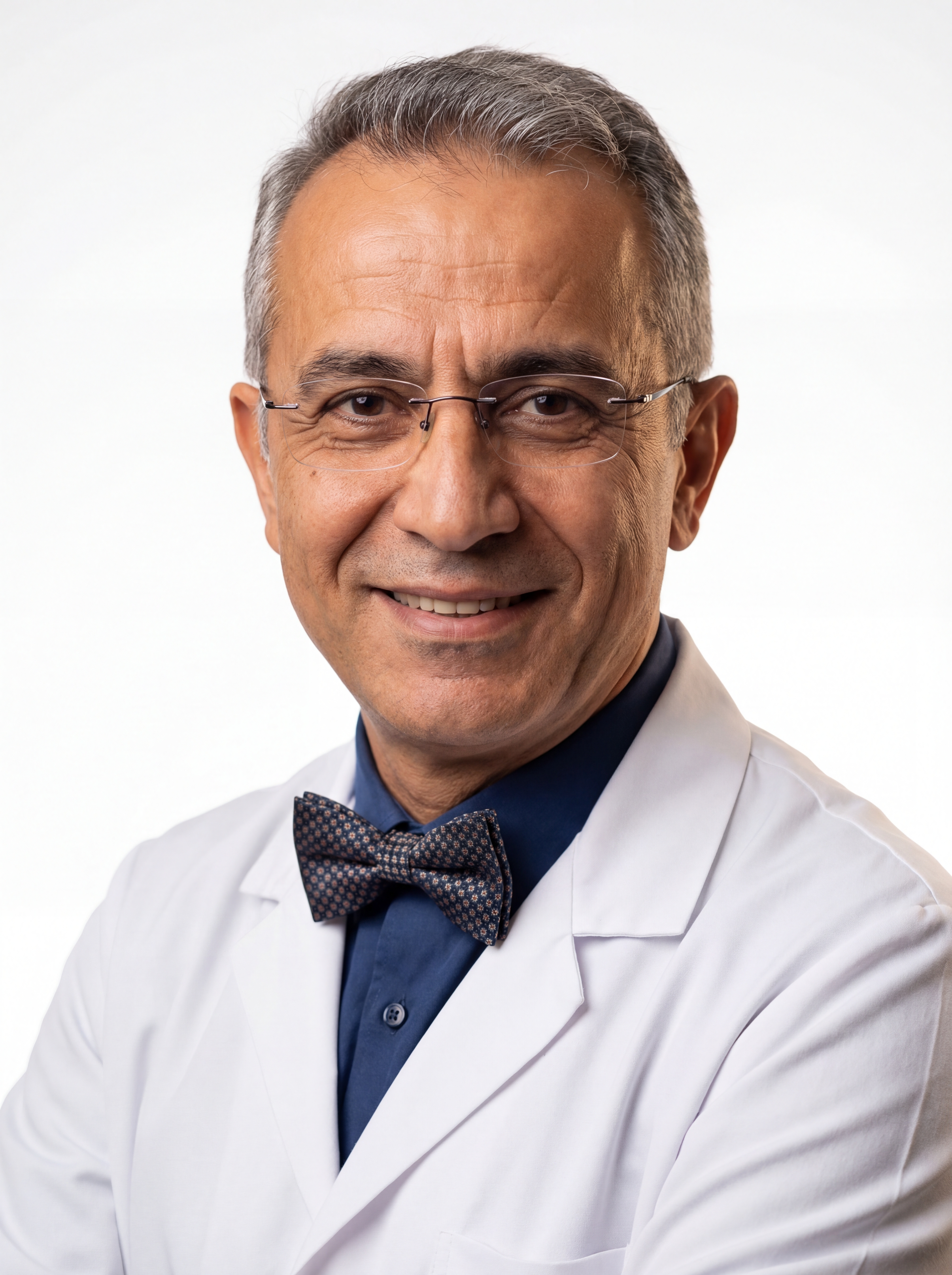
Meet Your Surgeon: Prof. Dr. Cengiz Volkan Demirtaş
Every deep plane facelift at Plastic Surgery Istanbul is performed personally by Prof. Dr. Cengiz Volkan Demirtaş — one of the highest-volume deep plane facelift surgeons globally.
Prof. Dr. Cengiz Volkan Demirtaş completed his plastic surgery fellowship in Manhattan, New York — the global epicenter of facial plastic surgery — where he trained under some of America's most celebrated surgeons in advanced deep plane and composite facelift techniques. He brought this cutting-edge expertise back to Istanbul, where the higher patient volume has allowed him to refine his technique across more than 7,200 facial operations.
What sets Prof. Demirtaş apart is not just technical mastery but his artistic philosophy. He approaches each face as a unique canvas, using 3D facial analysis to create a customized surgical plan that respects each patient's individual features, ethnic characteristics, and aesthetic goals. His patients consistently report that they look naturally younger — not 'done,' not 'different,' simply refreshed. This is the signature of a surgeon who understands that the best facelift is the one nobody can detect.
His practice draws patients from across the United States, Europe, and the Middle East — a testament to his international reputation and the consistently outstanding results that have made Plastic Surgery Istanbul a globally recognized destination for deep plane facial rejuvenation.
What Patients Say About Their Deep Plane Facelift Experience
"I spent months researching what a deep plane facelift actually was before deciding on Prof. Demirtaş. The difference between his explanation and every other surgeon I consulted was night and day — he showed me exactly what would be lifted and why. My results at 6 months are unbelievable. I look like I did in my early 40s."
"I was terrified of looking 'pulled' — that was my biggest fear. Prof. Demirtaş explained the deep plane technique in a way that made me understand why results look natural. He was right. Nobody can tell I had surgery. They just think I look incredibly well-rested. Worth every penny and the trip to Istanbul."
"After comparing quotes from three US surgeons ($38K–$47K for surgery alone), Istanbul was a no-brainer. The JCI hospital was immaculate, the VIP service was beyond anything I'd experienced, and the results speak for themselves. I'm 3 months post-op and I've already had two friends reach out asking for Prof. Demirtaş's contact."
Procedures Commonly Combined with a Deep Plane Facelift
Many patients maximize their results by combining a deep plane facelift with complementary procedures during a single surgical session — achieving comprehensive rejuvenation with one recovery period.
Upper & Lower Blepharoplasty (Eyelid Surgery)
Removes excess skin and fat from the upper and lower eyelids, correcting hooding and under-eye bags that a facelift cannot address. The combination creates a seamlessly youthful appearance from brow to jawline.
Brow Lift
Restores the youthful position of the eyebrows and smooths forehead lines. When performed with a deep plane facelift, it completes the upper face rejuvenation for a naturally balanced result.
Neck Lift
While the deep plane technique addresses the lower face and upper neck, a dedicated neck lift extends the rejuvenation further — eliminating severe banding, turkey neck, and excess submental fat for a dramatically contoured profile.
Fat Transfer (Facial Fat Grafting)
Autologous fat from the body is purified and injected into volume-depleted areas — temples, tear troughs, cheeks, and lips. This adds the natural fullness that completes the youthful facial contour the deep plane technique creates.
Frequently Asked Questions About Deep Plane Facelifts
A deep plane facelift is a surgical technique that lifts and repositions the deeper structural layers of the face — the SMAS, deep fat pads, muscles, and retaining ligaments — rather than simply tightening the skin. By addressing the actual cause of facial aging (structural descent), it produces results that look completely natural and last 10–15 years.
Ready to Learn More? Start Your Free Consultation
Now that you understand what a deep plane facelift is and how it works, the next step is a personalized assessment of your facial anatomy and goals. Prof. Dr. Cengiz Volkan Demirtaş reviews every case personally.
Explore Related Deep Plane Facelift Resources
Facial Surgery
Related Procedures
Explore other facial surgery options available at our Istanbul clinic.