After Deep Plane Facelift Care
Your complete aftercare guide for deep plane facelift recovery — clinically validated instructions covering wound care, nutrition, sleep position, activity progression, and scar management. Based on 7,200+ facial operations by Prof. Dr. Demirtaş, this protocol maximizes healing speed and result quality.

After Deep Plane Facelift — Quick Care Reference
What Does After Deep Plane Facelift Care Involve?
After deep plane facelift care involves a structured protocol of wound management, compression garment use, head elevation, nutritional optimization, and staged activity progression. The first 2 weeks are the most critical period, with daily clinic visits, continuous compression, and rest. Proper aftercare directly impacts result quality, scar appearance, and recovery speed — making it as important as the surgery itself.
After deep plane facelift care is the single most important factor determining the quality and longevity of your surgical results — second only to the surgery itself. While the deep plane technique produces transformative facial rejuvenation by repositioning fundamental structural layers, those repositioned tissues require precise aftercare to heal optimally. The difference between good results and exceptional results often comes down to how well the aftercare protocol is followed.
At Plastic Surgery Istanbul, Prof. Dr. Cengiz Volkan Demirtaş has developed a comprehensive aftercare system refined across 7,200+ facial operations. Every instruction in this guide — from compression garment schedules to nutritional recommendations — is based on clinical outcome data, not generic post-surgical advice. His Manhattan fellowship training instilled the principle that surgery and recovery are a single, integrated process: you cannot separate the quality of the operation from the quality of the aftercare.
For American patients who travel to Istanbul for their deep plane facelift, understanding after deep plane facelift care is especially critical. You need to know exactly what to do during your Istanbul stay, what supplies to bring home, and how to manage your recovery independently after returning to the US. This guide provides every answer — with specific, actionable instructions for each phase of healing.
Immediate Aftercare: The First 48 Hours After Deep Plane Facelift
Hospital Night: What Happens After Surgery
Your after deep plane facelift care begins immediately following surgery in the JCI-accredited hospital's private recovery suite. A custom compression garment is applied to support repositioned tissues and minimize swelling. Dedicated nursing staff monitor your vital signs, pain levels, wound drainage, and overall comfort throughout the overnight stay. Prof. Demirtaş personally examines you before leaving the hospital.
Pain during the first night is typically moderate — patients consistently describe it as 3–4 out of 10 on a pain scale. Prescribed oral medication effectively controls discomfort. You may notice a sensation of tightness rather than sharp pain, which is normal and indicates that the deep plane tissues are properly supported by the compression garment. Small sips of water and light clear liquids are encouraged.
Day 1–2: Hotel Recovery & First Clinic Visit
Hospital discharge occurs on day 1 after Prof. Demirtaş's morning examination confirms proper healing. Your VIP patient coordinator transfers you to your 5-star hotel via luxury vehicle. The first clinic visit on day 2 includes wound assessment, compression garment adjustment, and swelling evaluation. These early visits establish the baseline against which all subsequent healing is measured.
During the first 48 hours of after deep plane facelift care, your priorities are simple: rest, hydrate, and follow the compression garment protocol. Keep your head elevated at 30–45 degrees — even while sleeping. Apply ice packs per the clinic's specific protocol (20 minutes on, 20 minutes off) to manage swelling. Take prescribed medications on schedule. Short walks within the hotel are encouraged to promote circulation and prevent blood clots.
Wound Care After Deep Plane Facelift: Step-by-Step Instructions
Wound care after deep plane facelift involves gentle saline cleaning twice daily, application of prescribed antibiotic ointment to incision lines, and avoiding direct water pressure on surgical sites. Incisions are located along the hairline, in front of and behind the ear. Sutures are removed at days 7–10. No touching, picking, or rubbing incision areas. Keep wounds dry except during cleaning.
Daily Wound Cleaning Protocol
Begin gentle wound cleaning on day 1 using sterile saline solution and soft gauze pads provided by the clinic. Dampen the gauze with saline, then gently pat (never rub) along each incision line to remove any dried blood or crusting. Follow with application of the prescribed antibiotic ointment — a thin layer along each incision using a clean cotton swab. This process takes approximately 5–10 minutes and should be performed twice daily.
The incision lines in a deep plane facelift are strategically placed for maximum concealment: along the temporal hairline, in front of the ear (pretragal), around the earlobe, behind the ear (retroauricular), and into the occipital hairline. Each of these areas requires gentle attention during cleaning. Your clinic team will demonstrate the technique during your day-2 visit, and you'll feel confident performing it independently by day 3–4.
Showering & Hair Washing Guidelines
You may shower from day 2–3, but avoid direct water pressure on your face and incision areas. Let lukewarm water run gently over surgical sites — no scrubbing, no hot water, no high-pressure shower heads. Pat dry with a clean, soft towel. Hair washing is typically approved by day 3–4 using a gentle, fragrance-free shampoo — tilt your head back at the sink rather than bending forward under the shower.
Avoid submerging incisions in water (no baths, pools, hot tubs, or ocean) for at least 4–6 weeks until all incision lines are fully closed and healed. Chlorinated and salt water can irritate healing tissue and increase infection risk. If an incision area becomes wet unexpectedly, gently pat dry and apply a thin layer of antibiotic ointment as a precaution.
When to Be Concerned About Your Incisions
Normal incision healing after a deep plane facelift includes: mild redness along incision lines, slight swelling at suture points, small amounts of clear or slightly blood-tinged drainage, and mild itching (a sign of healing). These are expected and resolve progressively over weeks 1–4.
Contact the clinic immediately if you notice: increasing redness spreading away from the incision, significant warmth or heat at any incision site, pus-like or foul-smelling drainage, fever above 100.4°F (38°C), sudden swelling or pressure on one side of the face, or opening (dehiscence) of any portion of an incision line. In the first 10 days during your Istanbul stay, daily clinic visits ensure these concerns are caught early. After returning to the US, the 24/7 coordinator line provides immediate guidance.
Compression Garment Protocol: Your Most Important Aftercare Tool
The compression garment is arguably the most critical component of after deep plane facelift care — directly influencing swelling resolution, tissue settling, and contour quality. During the first 2 weeks, wear the garment continuously (24 hours per day), removing it only for wound cleaning and clinic visits. The garment provides uniform support to the repositioned SMAS and platysma tissues, helping them adhere in their new position.
During weeks 3–4, transition to nighttime-only wear. This continued support during sleep — when you can't consciously protect the surgical area from pillow pressure — maintains tissue alignment during the critical later healing phase. Prof. Demirtaş provides specific garment transition guidance based on your individual healing at each clinic visit.
Garment care matters too: you'll receive two compression garments so one can be laundered while the other is worn. Hand-wash with mild soap, air dry (no dryer heat), and ensure the garment is properly positioned each time — the chin strap should be snug but not tight enough to cause pressure marks, and the ear coverage should be smooth without bunching. An improperly worn garment can create pressure points that affect contour.
Nutrition & Hydration: Fuel Your Deep Plane Facelift Recovery
Essential Nutrients for Optimal Healing
Your body's ability to heal after a deep plane facelift is directly tied to nutritional quality. Prioritize these healing-critical nutrients: Protein (lean meats, fish, eggs, Greek yogurt, legumes) — the building block of tissue repair, aim for 1.2–1.5g per kg of body weight daily. Vitamin C (citrus fruits, bell peppers, strawberries, broccoli) — essential for collagen synthesis. Zinc (oysters, beef, pumpkin seeds, lentils) — supports immune function and wound healing.
Additional nutrients that accelerate recovery include: Vitamin A (sweet potatoes, carrots, spinach) for skin repair, Omega-3 fatty acids (salmon, walnuts — resume after week 2 when blood-thinning risk decreases) for anti-inflammatory support, and Iron (red meat, dark leafy greens) for oxygen transport to healing tissues. A balanced, nutrient-dense diet during the first 4–6 weeks of recovery measurably improves healing speed and outcome quality.
Foods & Substances to Avoid
Certain foods and substances can actively impair your after deep plane facelift care and should be strictly avoided: Alcohol — avoid completely for minimum 2 weeks (ideally 4 weeks). Alcohol dilates blood vessels, increases swelling, impairs immune function, disrupts sleep quality, and slows wound healing. Sodium-heavy foods (processed foods, restaurant meals, chips) — promote fluid retention and exacerbate facial swelling.
Also avoid: Blood-thinning supplements (vitamin E, fish oil, ginkgo biloba, garlic supplements) for 2 weeks to minimize bruising risk. Caffeine — limit (don't eliminate) for the first week as it can elevate blood pressure and increase swelling. Spicy foods — can increase facial flushing and blood flow to the face during the first 1–2 weeks. Tobacco and nicotine — must be avoided for minimum 4 weeks before and 4 weeks after surgery, as nicotine severely compromises blood flow to healing skin flaps.
Hydration Protocol
Aggressive hydration is one of the simplest and most effective after deep plane facelift care strategies. Aim for a minimum of 2.5–3 liters of water daily during the first 2 weeks — significantly more than your normal intake. Proper hydration supports lymphatic drainage (reducing swelling), optimizes cellular healing, helps flush anesthetic medications from your system, and maintains skin elasticity around healing incisions.
Practical hydration tips: keep a water bottle at your bedside, set hourly reminders on your phone, flavor water with cucumber or lemon if plain water feels monotonous, and include hydrating foods (watermelon, cucumber, soups, broths). Avoid dehydrating beverages — alcohol, excessive caffeine, and sugary drinks all work against your hydration goals. Herbal teas (chamomile, peppermint) are excellent alternatives that also promote relaxation.
Sleep Position After Deep Plane Facelift: Critical for Optimal Results
Sleep with your head elevated at 30–45 degrees for the first 2–3 weeks after deep plane facelift. Use a wedge pillow or stack 2–3 pillows. Sleep exclusively on your back — never on your side or stomach. Head elevation reduces swelling by 20–30% compared to sleeping flat. A recliner is an excellent alternative during the first week.
Sleep position is one of the most underrated aspects of after deep plane facelift care — yet it directly impacts swelling resolution, bruising duration, and even contour symmetry. Sleeping with your head elevated at 30–45 degrees for the first 2–3 weeks allows gravity to assist lymphatic drainage, pulling excess fluid away from the face and neck. Patients who consistently maintain elevation experience approximately 20–30% less swelling than those who sleep flat.
Sleep exclusively on your back for the first 3 weeks — side sleeping applies asymmetric pressure to the surgical area, which can cause uneven swelling and potentially affect tissue settling. Many patients find a recliner more comfortable than a bed during the first week — the semi-upright position naturally maintains elevation and prevents unconscious rolling to the side. Travel neck pillows can also help stabilize your head position during sleep.
After week 3, you can gradually reintroduce your preferred sleeping position. Start with a slight side lean (using a body pillow for support) before returning to full side sleeping by week 4–5. Continue sleeping with slight elevation (one extra pillow) through week 6 if morning puffiness persists. Prof. Demirtaş provides individualized sleep position guidance at each follow-up based on your swelling pattern.
Activity Restrictions & Exercise Timeline After Deep Plane Facelift
Week 1–2: Rest & Gentle Movement Only
The first two weeks of after deep plane facelift care require significant activity restriction. Your primary activities should be: gentle walking (5–10 minutes, 2–3 times daily), basic personal hygiene, eating, and resting. Avoid: bending below the waist (increases facial blood pressure), lifting anything over 5 lbs (raises blood pressure and can cause bleeding), any exercise that raises your heart rate, and household chores requiring arm elevation.
This restriction period is non-negotiable — the repositioned deep plane tissues are establishing their new attachments during weeks 1–2, and physical stress can disrupt this critical process. Patients who honor these restrictions consistently achieve better long-term outcomes. Arrange for help with grocery shopping, cooking, pet care, and childcare before your surgery so you can focus entirely on recovery.
Week 3–4: Gradual Return to Daily Activities
By week 3, you can begin resuming normal daily activities: light housework, short driving trips (when comfortable turning your head), desk work (remote or in-person), gentle stretching, and longer walks (20–30 minutes). Avoid: anything that causes your face to flush or feel hot, activities requiring straining or bearing down, and any position that puts pressure on your face.
Week 4 marks the beginning of exercise reintroduction. Start with light cardiovascular activity: walking at a moderate pace, stationary cycling at low resistance, or elliptical at low intensity. Monitor how your face responds — any increase in swelling, throbbing, or warmth means you've pushed too hard. Reduce intensity and try again in 2–3 days.
Week 5–6+: Progressive Exercise Return
Weeks 5–6 allow progressive increase in exercise intensity: moderate cardio, light weight training (avoid exercises that require lying flat or bending over), and yoga (modified — no inversions or downward-facing positions for 8 weeks). Swimming is cleared at week 6 once all incisions are fully healed.
Full, unrestricted exercise — including heavy weight training, high-intensity interval training, running, and contact sports — is typically cleared at 3 months. Prof. Demirtaş provides individual clearance at your remote follow-up appointments based on your specific healing progression. The staged approach protects your investment in surgery by ensuring the deep plane tissues are fully stabilized before they're subjected to intense physical demands.
Scar Care & Management After Deep Plane Facelift
Scar management after deep plane facelift includes silicone scar strips or gel from week 3, daily SPF 50+ sunscreen on incision areas for 12 months, gentle scar massage from week 4, and avoiding direct sun exposure. The deep plane technique's zero-tension skin closure produces finer scars than traditional facelifts. Most scars fade to virtually invisible lines within 6–12 months.
Scar management is a crucial long-term component of after deep plane facelift care — and the good news is that deep plane facelift scars are among the finest and most discreet of any facial surgery. Because the deep structural layers bear all the repositioning force, the skin is closed without tension. Zero-tension closure produces thinner, flatter scars that fade faster than tension-bearing closures used in traditional facelifts.
Starting at week 3 (after sutures are fully removed and incision lines are sealed), begin applying medical-grade silicone scar strips or silicone gel to all incision areas. Silicone therapy is the gold standard in scar management — clinically proven to reduce scar thickness, redness, and elevation. Apply silicone strips for 12–23 hours daily, or silicone gel twice daily, for a minimum of 3 months. Many patients continue for 6 months for optimal results.
Sun protection is non-negotiable: UV exposure on healing scars causes hyperpigmentation (darkening) that can be permanent. Apply SPF 50+ broad-spectrum sunscreen to all incision areas whenever you're outdoors — even on cloudy days — for a minimum of 12 months. Wide-brimmed hats and physical barriers provide additional protection. This single habit — consistent sun protection — is the most impactful thing you can do for scar quality.
Gentle scar massage from week 4 promotes blood flow, breaks down excess collagen, and improves scar pliability. Use clean fingertips with a small amount of moisturizer or silicone gel. Apply light pressure in small circular motions along each incision line for 2–3 minutes, twice daily. This simple practice accelerates the transition from pink, firm scars to pale, soft, nearly invisible lines.
Deep Plane Facelift Results Gallery
Real patient transformations — see the results of expert aftercare and surgical precision.
The Plastic Surgery Istanbul VIP Aftercare Experience
Plastic Surgery Istanbul's VIP aftercare program includes 7–10 daily post-operative clinic visits, 5-star hotel accommodation, 24/7 patient coordinator access, luxury vehicle transfers, comprehensive medication supply, compression garments, and a 12-month remote follow-up protocol — everything included in the all-inclusive package price of $5,000–$10,000.
After deep plane facelift care at Plastic Surgery Istanbul goes beyond standard post-operative instructions — it's a fully managed recovery experience designed for international patients. Every element of your aftercare has been systematized and refined across thousands of patients, eliminating the logistical stress that can compromise recovery quality. Your only job is healing; everything else is handled.
Your dedicated VIP patient coordinator — available 24/7 via WhatsApp — manages every logistical detail from hospital discharge through your departure flight: clinic appointment scheduling, hotel room service coordination, pharmacy needs, compression garment adjustments, dietary guidance, and any concern at any hour. Daily clinic visits during your Istanbul stay (typically days 1–10) ensure Prof. Demirtaş's team monitors your healing progression and addresses any issue before it becomes a problem.
After returning to the United States, your aftercare continues seamlessly through scheduled remote follow-ups at 1, 3, 6, and 12 months. You submit standardized clinical photos via a secure portal, and Prof. Demirtaş reviews them personally — providing guidance, reassurance, and any necessary adjustments to your care protocol. This 12-month aftercare commitment is included at no additional cost in your all-inclusive package — because optimal recovery isn't a luxury, it's an integral part of the treatment.
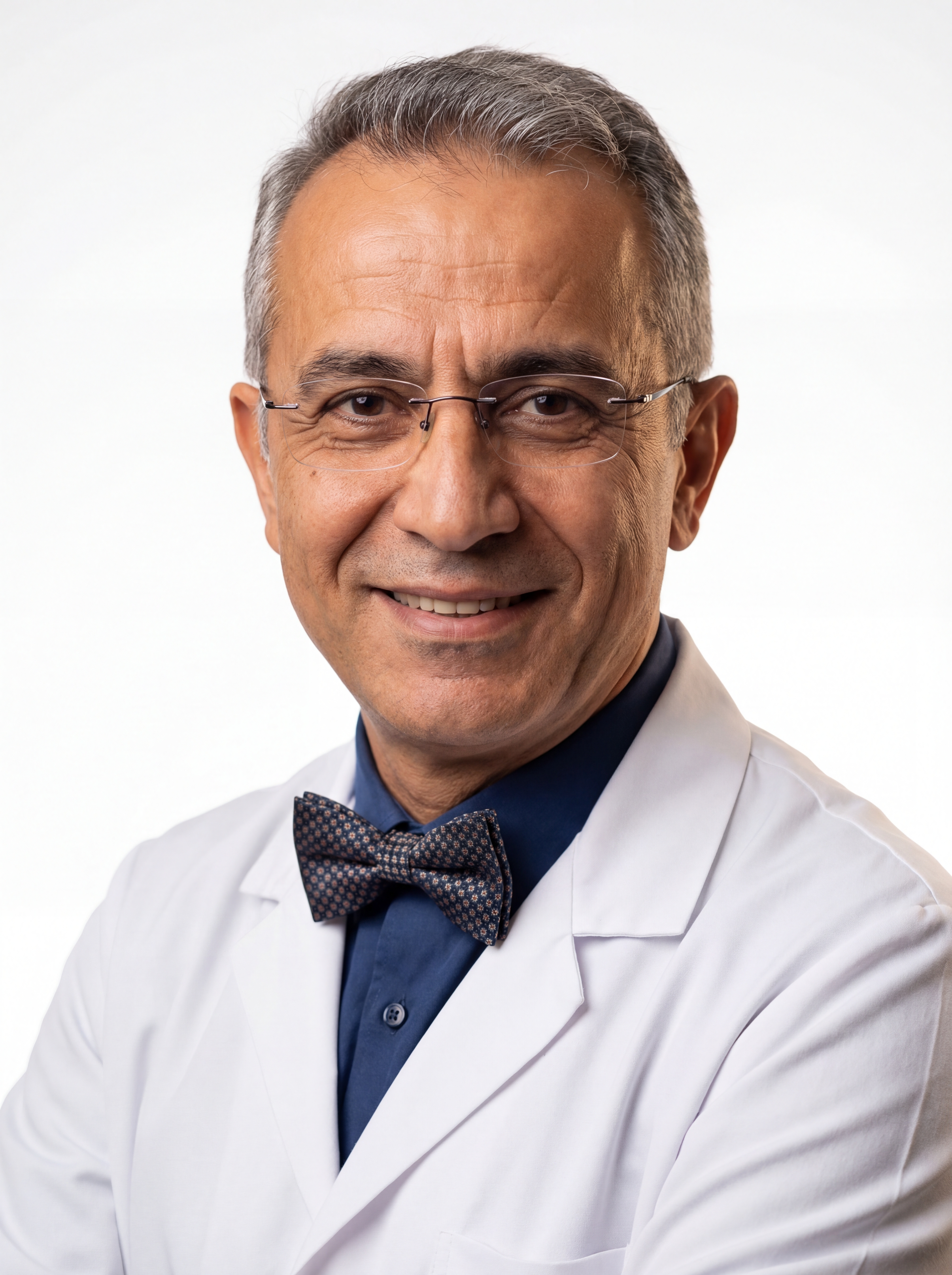
Your Aftercare Architect: Prof. Dr. Cengiz Volkan Demirtaş
Every aspect of your after deep plane facelift care protocol was designed and refined by Prof. Dr. Cengiz Volkan Demirtaş — the surgeon who performs your operation and personally oversees your recovery.
Prof. Dr. Cengiz Volkan Demirtaş approaches aftercare as an inseparable extension of surgery. His Manhattan fellowship training — alongside America's most meticulous facial surgeons — established the foundational principle that a technically perfect operation can be undermined by inadequate recovery management. Conversely, a well-executed aftercare protocol amplifies surgical results beyond what the operating room alone can achieve.
The aftercare protocol you follow is the product of 7,200+ facial operations — each contributing data points to a constantly refined system. Prof. Demirtaş personally analyzes recovery outcomes, identifying which aftercare variations produce the best results for different patient profiles. The instructions in this guide aren't generic surgical advice; they're precision-calibrated recommendations based on extensive clinical evidence.
Crucially, Prof. Demirtaş personally examines every patient during recovery. There are no 'resident follow-ups' or delegated post-operative care. From your day-1 hospital examination to your 12-month final assessment, the same surgeon who created your result monitors its evolution. This continuity of care ensures that any deviation from expected healing is identified and addressed by the one person who best understands your case.
Aftercare Cost: Istanbul All-Inclusive vs. US Separate Billing
At Plastic Surgery Istanbul, all aftercare is included in the all-inclusive deep plane facelift package of $5,000–$10,000 USD — covering surgery, hospital, hotel, transfers, daily visits, medications, garments, and 12-month follow-up. In the US, the surgical fee ($25,000–$50,000) does not include aftercare, which adds $3,000–$8,000+ in separate charges.
In the United States, after deep plane facelift care is typically billed separately from the surgical fee. Individual follow-up visits cost $200–$500 each, medications $200–$500, compression garments $100–$300, and complication management at additional cost. These aftercare expenses can add $3,000–$8,000 to an already-substantial surgical fee — and many patients are surprised by the total when bills arrive.
At Plastic Surgery Istanbul, everything is included in your all-inclusive price of $5,000–$10,000. Surgery, hospital, hotel, daily clinic visits, medications, garments, transfers, 24/7 coordinator, and 12-month follow-up — with zero hidden costs. Even including round-trip flights from the US ($600–$1,200), the total investment is typically less than the surgery-only price at a mid-tier US clinic, with a VIP aftercare experience that American patients consistently rate as superior to anything available at home.
Common Post-Operative Concerns: What's Normal and What's Not
Swelling & Bruising: The Expected Healing Response
Swelling and bruising are the most visible aspects of after deep plane facelift care — and the most common source of patient anxiety. Both are completely normal healing responses. Swelling peaks at days 3–5 and decreases progressively, with approximately 80% resolved by weeks 3–4. Bruising follows a predictable color evolution: purple-blue (days 1–5), green-yellow (days 5–10), and fading to skin color (days 10–14). Both sides may heal at slightly different rates, causing temporary asymmetry.
To accelerate resolution: maintain consistent head elevation, follow the compression garment protocol strictly, ice per instructions during the first 48 hours, stay well-hydrated, avoid sodium-heavy foods, and be patient. Every day after the peak (day 3–5) brings visible improvement. If swelling suddenly increases — particularly on one side only — contact the clinic immediately, as this could indicate a hematoma requiring attention.
Numbness & Tightness: Normal Nerve Recovery
Temporary numbness in the cheeks, ears, and neck is a normal consequence of deep plane facelift surgery. The sensory nerves in these areas are displaced during tissue repositioning and require time to regenerate. Numbness typically begins resolving at weeks 4–8, with most sensation returning by months 3–6. Some patients experience tingling, 'pins and needles,' or hypersensitivity as nerves regenerate — all signs of healthy recovery.
Facial tightness — especially around the jawline and neck — is also expected and gradually resolves over weeks to months. This sensation reflects the repositioned tissues settling into their new position. The tightness diminishes progressively and is typically unnoticeable by month 3. Some patients describe the initial weeks as feeling like they're wearing a tight mask — this is normal and resolves completely.
Emotional Recovery: The Psychological Dimension
An often-overlooked aspect of after deep plane facelift care is emotional recovery. It's completely normal to experience a range of emotions during the first 2–3 weeks: anxiety about results (heightened by temporary swelling distorting your appearance), mild depression (a common response to anesthesia and physical stress), impatience with the healing timeline, and occasional regret or second-guessing — especially during the peak swelling phase at days 3–5.
These emotional responses are temporary and universal — experienced by virtually every facial surgery patient regardless of surgical outcome. The key insight: your face at day 5 looks nothing like your face at month 3. Making any judgments about your results during the acute recovery phase is premature and unreliable. Trust the process, follow the aftercare protocol, and know that the significant majority of patients are deeply satisfied with their results once healing is complete.
When to Contact the Clinic: Warning Signs After Deep Plane Facelift
While complications after a deep plane facelift are rare — especially in the hands of an experienced surgeon at a JCI-accredited facility — patients should know the warning signs that require immediate medical attention. Contact the clinic urgently if you experience: sudden, increasing swelling or pressure on one side of the face (possible hematoma — the most common complication, occurring in 2–3% of cases), fever above 100.4°F/38°C (possible infection), increasing redness or warmth spreading from an incision site, foul-smelling or purulent discharge from any incision, or difficulty moving one side of your face (possible nerve issue — almost always temporary).
During your Istanbul stay, daily clinic visits provide proactive monitoring that catches concerns at the earliest possible stage — often before you'd notice them yourself. Prof. Demirtaş examines you personally at each visit, comparing your healing against expected milestones from thousands of comparable cases. After returning home, the 24/7 patient coordinator and secure photo portal ensure continuous access to expert guidance. Send photos at any time if something concerns you — the team responds within hours, often within minutes.
For context: serious complications requiring intervention occur in less than 3% of deep plane facelift cases at Plastic Surgery Istanbul. The vast majority of recovery concerns that patients contact the clinic about turn out to be normal healing variations that resolve on their own. However, the policy is always the same: when in doubt, reach out. No concern is too small, and early assessment prevents small issues from becoming larger ones.
Patient Aftercare Experiences: Real Stories from Real Patients
The aftercare at Plastic Surgery Istanbul was unlike anything I've experienced in the US healthcare system. Daily visits, a coordinator who answered my WhatsApp at midnight, and Prof. Demirtaş personally checking on me every single day. By week 2, I felt confident managing my recovery at home in Atlanta. At 6 months, my friends think I just look incredibly well-rested.
I was terrified about recovering from surgery abroad, but the VIP experience completely eliminated that fear. Everything was handled — medications, garments, daily clinic visits, even room service coordination at the hotel. The aftercare instructions were detailed and clear. I followed them exactly and my recovery was faster than the timeline suggested. Incredible value for the price.
As a retired nurse, I was critical of the aftercare quality before I experienced it. I can say without hesitation that the post-operative protocol at Plastic Surgery Istanbul is more thorough, more personalized, and more effective than anything I've seen in American surgical practices. Prof. Demirtaş's evidence-based approach to recovery management is genuinely impressive.
Long-Term Care: Maintaining Your Deep Plane Facelift Results
After deep plane facelift care extends beyond the acute recovery period. To maximize the longevity of your 10–15 year results, adopt these long-term habits: Daily SPF 50+ sunscreen on your face and neck — UV damage is the primary accelerator of facial aging and can diminish surgical results prematurely. Quality skincare routine — a basic regimen of cleanser, moisturizer, and retinoid (introduced at 3 months post-surgery with dermatologist guidance) supports skin health and collagen production.
Maintain a stable weight — significant weight fluctuations can affect facial volume and contour. Avoid smoking and excessive alcohol — both accelerate skin aging and compromise tissue integrity. Consider non-surgical maintenance treatments after year 2–3 to complement your surgical results: injectable fillers for volume enhancement, Botox for dynamic wrinkle management, and medical-grade skin treatments for skin quality maintenance.
Scheduled follow-ups with Prof. Demirtaş at years 1, 2, and 5 (via video consultation) track how your results are aging and allow proactive recommendations for maintenance or touch-up treatments. This long-term relationship ensures your deep plane facelift investment continues delivering maximum value for a decade or more.
Frequently Asked Questions: After Deep Plane Facelift Care
Active aftercare lasts 4–6 weeks, with scar management continuing for 6–12 months. The complete follow-up program with Prof. Demirtaş spans 12 months with remote check-ups at 1, 3, 6, and 12 months. Long-term skin care and sun protection are recommended indefinitely.
Ready for World-Class Aftercare? Start Your Free Consultation
Now that you understand the complete after deep plane facelift care protocol, take the next step with a personalized consultation. Prof. Dr. Demirtaş will assess your facial anatomy, discuss your recovery expectations, and create a treatment plan with aftercare tailored to your goals and schedule.
- Free 3D facial analysis and personalized care plan
- All-inclusive VIP packages from $5,000
- 7,200+ operations by your lead surgeon
- JCI-accredited hospital with overnight monitoring
- VIP aftercare with daily clinic visits included
- 12-month remote follow-up at no extra cost