Non-Surgical Blepharoplasty Turkey: No-Scalpel Eyelid Lift Cost, Results & Recovery
Non-surgical blepharoplasty in Turkey uses advanced plasma pen, HIFU, and radiofrequency technologies to lift and tighten eyelid skin — without incisions, sutures, or general anesthesia — at 65–80% less than US pricing. All-inclusive packages from $800 at JCI-accredited facilities with ISAPS-certified surgeons.
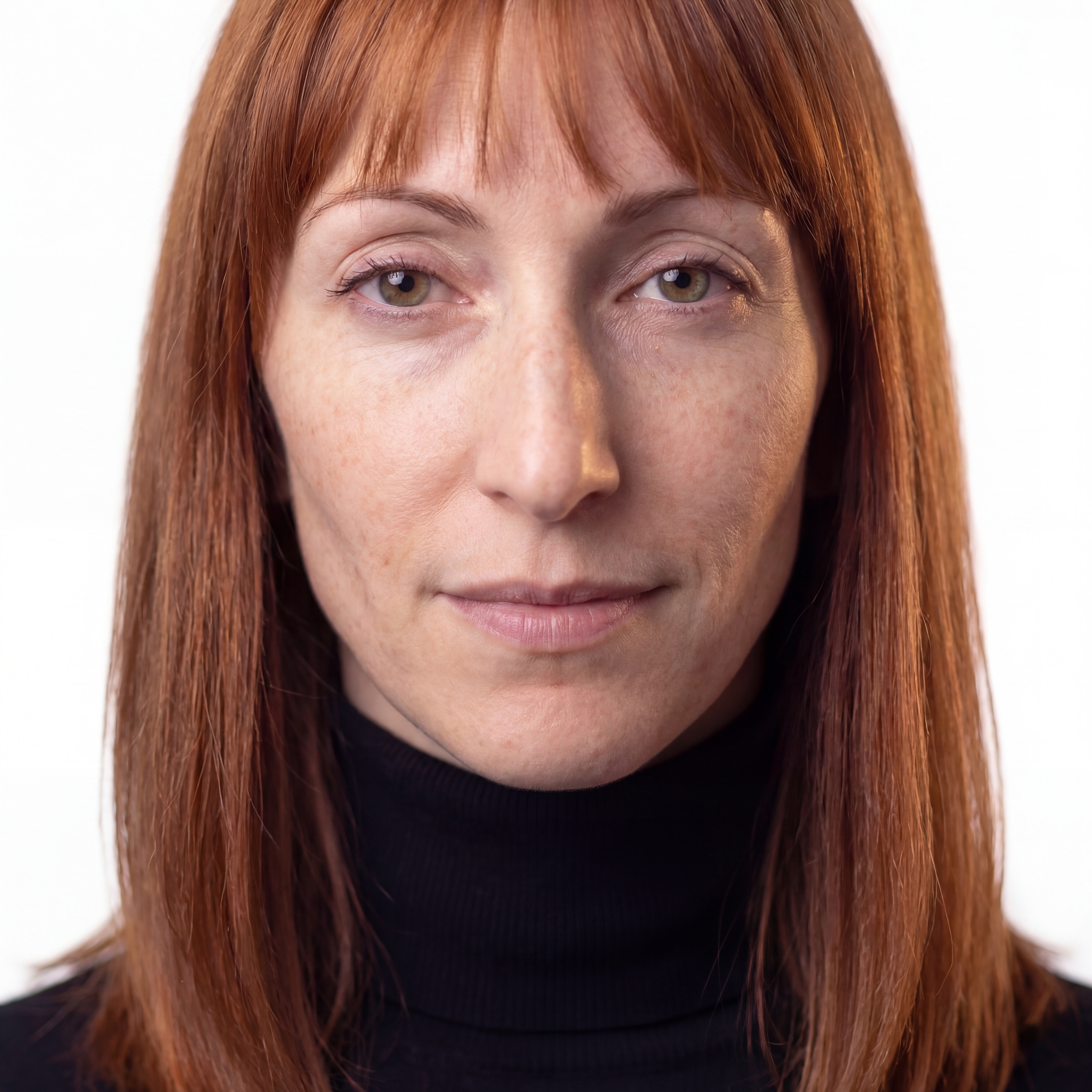
From $800
All-Inclusive Package
What Is Non-Surgical Blepharoplasty and Why Choose Turkey?
Non-surgical blepharoplasty is a minimally-invasive eyelid rejuvenation procedure that uses plasma energy, HIFU (High-Intensity Focused Ultrasound), radiofrequency, or injectable techniques to tighten loose eyelid skin, reduce wrinkles, and lift drooping lids — without any surgical incisions. Turkey ranks among the top 3 global destinations for non-surgical blepharoplasty because Istanbul's JCI-accredited clinics deliver results comparable to Western facilities at 65–80% lower cost.
Non-surgical blepharoplasty in Turkey has become one of the fastest-growing aesthetic treatments among international patients — driven by the desire for visible eyelid rejuvenation without the risks, recovery time, and cost of traditional surgery. Unlike surgical blepharoplasty that requires incisions, tissue excision, and sutures, non-surgical approaches use energy-based devices or injectable agents to achieve controlled skin tightening, collagen stimulation, and volume restoration around the eyes.
Turkey performs over 50,000 blepharoplasty procedures annually, and non-surgical techniques represent the fastest-growing segment as patients increasingly seek alternatives that offer meaningful results with minimal disruption to daily life. Istanbul's leading clinics invest in the latest-generation plasma pen devices (Plexr, Jett Plasma), HIFU platforms (Ultherapy, HIFU Pro), and radiofrequency systems (Thermage, Morpheus8) — giving practitioners the precision tools needed to deliver predictable, reproducible results across diverse skin types.
At Plastic Surgery Istanbul, our lead specialist Prof. Dr. Mehmet Kaan Uçar brings over 20 years of periorbital and facial surgery expertise with active ISAPS membership — placing him in the global top 5% of plastic surgeons. His approach to non-surgical blepharoplasty is uniquely informed by his deep surgical knowledge of eyelid anatomy — allowing him to select the optimal non-surgical technique for each patient's specific anatomy, skin quality, and goals. All-inclusive packages start from $800 — covering the procedure, JCI facility, 5-star hotel in Nişantaşı, VIP airport transfers, and 6-month structured aftercare.
Is Non-Surgical Blepharoplasty Right for You?
Free video consultation with Prof. Dr. Uçar — personalized technique recommendation, realistic expectations, and exact pricing for your case.
How Does Non-Surgical Blepharoplasty Work? The Science Behind No-Scalpel Eyelid Lifts
Non-surgical blepharoplasty works by delivering controlled energy (plasma, ultrasound, or radiofrequency) to the eyelid skin, causing immediate tissue contraction and long-term collagen remodeling. Plasma pen creates micro-arcs that sublimate (vaporize) surface skin and contract underlying tissue. HIFU targets deep tissue layers with focused ultrasound for lifting. Radiofrequency heats the dermis to stimulate collagen production. All methods tighten without cutting.
Plasma Pen Technology (Fibroblast)
The most popular non-surgical blepharoplasty technique uses plasma energy — an ionized gas created by the device's tip interacting with atmospheric nitrogen. The plasma creates controlled micro-arcs (tiny electrical sparks) on the skin surface, sublimating (instantly vaporizing) a precise point of tissue. Each micro-arc simultaneously contracts the surrounding skin, creating an immediate tightening effect. The grid pattern of treatment points produces cumulative contraction across the treated area — typically 15–30% skin tightening per session.
HIFU (High-Intensity Focused Ultrasound)
HIFU delivers focused ultrasound energy to precise tissue depths (1.5mm, 3mm, or 4.5mm) — creating thermal coagulation points deep within the dermis and SMAS layer without affecting the skin surface. This deep-tissue heating triggers robust collagen contraction and neocollagenesis from within, producing a gradual lifting and tightening effect over 2–6 months. HIFU is particularly effective for the brow and upper eyelid area where deep tissue laxity contributes to hooding.
Radiofrequency Skin Tightening
Radiofrequency (RF) devices deliver controlled thermal energy to the dermal layer, heating tissue to 65–75°C — the optimal temperature range for collagen contraction and new collagen synthesis. Unlike plasma (which works on the surface) or HIFU (which targets deep layers), RF creates a uniform heating zone through the mid-dermis, producing even, predictable tightening. Morpheus8 combines RF with microneedling for enhanced periorbital skin renewal.
Injectable Volume Restoration
For patients with volume-related aging — sunken upper lids, hollow tear troughs, or deflated periorbital fat pads — non-surgical blepharoplasty can include strategic injectable treatments. Hyaluronic acid fillers placed in the tear trough, brow fat pad, or periorbital hollows restore youthful fullness without surgery. Prof. Dr. Uçar's surgical knowledge of periorbital anatomy ensures precise, safe filler placement in this delicate area.
Combination Protocols
The most advanced non-surgical blepharoplasty outcomes combine multiple modalities in a single treatment session. Prof. Dr. Uçar frequently pairs plasma pen (surface tightening) with HIFU (deep lifting) or RF (mid-dermal collagen stimulation) — addressing all tissue layers simultaneously for comprehensive, multi-dimensional rejuvenation that approaches surgical-level results without a single incision.
Who Is an Ideal Candidate for Non-Surgical Blepharoplasty in Turkey?
Ideal candidates for non-surgical blepharoplasty include adults aged 30–60 with mild to moderate eyelid skin laxity, fine lines around the eyes, early upper eyelid hooding, lower eyelid crepiness, patients who want improvement without surgery or anesthesia, and those seeking minimal downtime. Non-surgical approaches work best for skin-only aging — they cannot address significant fat herniation or severe tissue excess.
Mild to Moderate Upper Eyelid Laxity
Non-surgical blepharoplasty is ideal for patients whose upper eyelid skin has begun to sag and droop but hasn't progressed to severe hooding that impairs vision. The plasma pen and HIFU technologies can tighten skin by 15–30% per session — sufficient for early-to-moderate aging but unable to replicate the dramatic tissue removal of surgical blepharoplasty. Patients with mild hooding who want to delay surgery by several years are excellent candidates.
Fine Lines and Crepey Periorbital Skin
Patients with networks of fine wrinkles, crepe-paper texture, and sun-damaged skin around the eyes respond exceptionally well to non-surgical blepharoplasty — particularly RF and plasma pen treatments. These technologies resurface the epidermis while stimulating deep collagen production, addressing both surface texture and structural support simultaneously. Results are often more natural-looking than surgical approaches for this specific concern.
Fear of Surgery or Anesthesia
A significant percentage of patients who could benefit from eyelid rejuvenation avoid it due to concerns about surgery, anesthesia, or recovery. Non-surgical blepharoplasty in Turkey offers these patients a compelling alternative — performed under topical numbing cream with no incisions, no sutures, and no general anesthesia. The psychological barrier to treatment is dramatically reduced while still delivering visible improvement.
Preventive and Maintenance Patients
Increasingly, patients in their early 30s and 40s are choosing non-surgical blepharoplasty as a preventive measure — stimulating collagen production and tightening early laxity before it progresses to the point of requiring surgery. It's also an excellent maintenance treatment for patients who had surgical blepharoplasty years ago and want to refresh results without repeat surgery.
Patients Seeking Minimal Downtime
For professionals, public-facing individuals, or anyone who cannot take significant time away from work and social obligations, non-surgical blepharoplasty offers the critical advantage of minimal downtime. Plasma pen requires 5–7 days of healing (small scabs), HIFU has essentially zero visible downtime, and RF requires only 1–2 days of mild redness. Compare this to 10–14 days for surgical blepharoplasty recovery.
Non-Surgical Blepharoplasty Techniques Available in Turkey
Non-surgical blepharoplasty techniques available in Turkey include: (1) Plasma pen (fibroblast) blepharoplasty for maximum non-surgical tightening, (2) HIFU eyelid lift for deep tissue tightening, (3) Radiofrequency blepharoplasty for collagen remodeling, (4) Injectable blepharoplasty for volume restoration, and (5) Combination multi-modality protocols for comprehensive results.
Plasma Pen (Fibroblast) Blepharoplasty
The gold standard non-surgical blepharoplasty technique. The plasma pen creates controlled micro-arcs in a precise grid pattern across the eyelid skin — each point sublimating a tiny area of tissue and contracting surrounding skin. Upper and lower eyelids can be treated in a single session. Results are visible immediately (15–20% tightening) with additional improvement over 8–12 weeks as collagen remodeling completes. Most patients achieve optimal results with 1–3 sessions spaced 8–12 weeks apart.
HIFU Eyelid Lift
High-Intensity Focused Ultrasound delivers targeted energy to the deep tissue layers (SMAS and deep dermis) around the eyes and brow — creating a lifting and tightening effect from within without affecting the skin surface. The treatment is comfortable (mild warmth and tingling), requires no topical anesthesia, and has zero visible downtime. Results develop gradually over 2–6 months as collagen remodeling occurs at depth. Single session typically sufficient.
Radiofrequency (Morpheus8) Blepharoplasty
Morpheus8 combines fractional microneedling with bipolar radiofrequency to deliver controlled thermal energy to the mid-dermis around the eyes. The microneedles create precise channels while RF energy heats the tissue to optimal collagen-stimulating temperatures. This dual-action approach produces superior skin quality improvement — tighter texture, reduced pore size, diminished fine lines, and improved elasticity. Recovery is 2–3 days of mild redness.
Injectable Blepharoplasty
Strategic placement of hyaluronic acid fillers to restore periorbital volume — correcting sunken upper lids, hollow tear troughs, and deflated fat compartments that create a tired, aged appearance. Prof. Dr. Uçar uses micro-cannula technique for maximum safety in this delicate area, with precise knowledge of periorbital vascular anatomy from his surgical background. Results are immediate and last 12–18 months. Can be combined with energy-based treatments for comprehensive rejuvenation.
Combination Protocol (Multi-Modality)
The most advanced non-surgical blepharoplasty option combines 2–3 modalities in a customized protocol: plasma pen for surface tightening + HIFU for deep lifting + RF for mid-dermal collagen stimulation. This comprehensive approach addresses all layers of periorbital aging simultaneously — producing results that approach surgical-level improvement without any incisions. Prof. Dr. Uçar designs each combination protocol based on individual anatomy, skin quality, and goals.
Non-Surgical Blepharoplasty Cost: Turkey vs. United States
Non-surgical blepharoplasty in Turkey costs $800–$2,500 all-inclusive (procedure, JCI facility, 5-star hotel, VIP transfers, aftercare). The same treatments in the US cost $2,000–$6,000 per session — excluding facility fees and follow-up costs. Turkey offers 65–80% savings with equivalent technology and expert oversight.
Standard
$800
- Plasma pen OR injectable blepharoplasty
- JCI-accredited facility
- Topical anesthesia
- 4-star hotel (2 nights)
- Airport transfers
- 6-month aftercare
Premium
$1,500
- HIFU or Morpheus8 RF treatment
- JCI-accredited facility (VIP suite)
- Topical anesthesia with comfort protocol
- 5-star hotel Nişantaşı (3 nights)
- VIP airport transfers
- 12-month aftercare
- Post-treatment skincare kit
Elite
$2,500
- Multi-modality combination protocol
- Plasma pen + HIFU + RF customized
- JCI-accredited facility (presidential suite)
- Full comfort protocol
- 5-star hotel Nişantaşı (5 nights)
- Private VIP transfers
- Lifetime aftercare
- Second session included (8–12 weeks)
- Medical-grade skincare protocol
Non-Surgical Blepharoplasty Cost: Turkey vs. Major US Cities
New York
US cost: $4,000 – $6,000
Istanbul: $800 – $2,500
Save 75%
Los Angeles
US cost: $3,500 – $5,500
Istanbul: $800 – $2,500
Save 73%
Miami
US cost: $3,000 – $5,000
Istanbul: $800 – $2,500
Save 70%
Chicago
US cost: $2,500 – $4,500
Istanbul: $800 – $2,500
Save 68%
Houston
US cost: $2,500 – $4,000
Istanbul: $800 – $2,500
Save 65%
San Francisco
US cost: $4,000 – $6,000
Istanbul: $800 – $2,500
Save 76%
Boston
US cost: $3,500 – $5,000
Istanbul: $800 – $2,500
Save 72%
Dallas
US cost: $2,000 – $4,000
Istanbul: $800 – $2,500
Save 65%
Non-Surgical Blepharoplasty Recovery: What to Expect by Treatment Type
Non-surgical blepharoplasty recovery varies by technique: Plasma pen requires 5–7 days (small scabs form and fall off), HIFU has zero visible downtime, Morpheus8 RF requires 2–3 days of mild redness, and injectable blepharoplasty has 1–2 days of mild swelling. All techniques allow return to most activities within 1–7 days — dramatically shorter than the 10–14 day recovery for surgical blepharoplasty.
Day 1–7 Recovery
Immediately after plasma pen treatment, tiny carbon crusts (micro-scabs) form at each treatment point — creating a dotted pattern on the eyelid skin. These crusts are the body's natural healing response to the controlled micro-arcs. Days 1–3: crusts darken and tighten (do not remove). Days 3–5: crusts begin falling off naturally. Days 5–7: most crusts resolved, new pink skin visible. Day 7–10: can apply mineral makeup. Full healing with final results at 8–12 weeks.
Zero Downtime
HIFU eyelid lift has essentially no visible recovery period. Patients may experience mild redness for 1–2 hours and slight tenderness in the treated area for 24–48 hours. No swelling, bruising, or visible skin changes. Patients can apply makeup immediately and return to all normal activities on the same day. Results develop gradually over 2–6 months as deep collagen remodeling occurs.
Day 1–3 Recovery
After Morpheus8 treatment, the periorbital area shows mild redness and tiny pinpoint marks from the microneedles. Day 1: redness similar to mild sunburn, slight warmth. Day 2: redness fading, can apply mineral makeup. Day 3: most visible signs resolved. Skin feels tighter immediately with progressive improvement over 4–12 weeks as collagen remodeling completes.
Day 1–2 Recovery
After injectable blepharoplasty, mild swelling and occasionally small bruises at injection sites are normal. Day 1: mild puffiness (most noticeable with tear trough filler). Day 2: swelling largely resolved. Bruising, if present, resolves within 5–7 days and is easily concealed with makeup. Results are immediately visible and settle into their final appearance within 2 weeks.
Day 1–7 Recovery
Multi-modality combination protocols have recovery timelines determined by the most intensive component — typically plasma pen. Overall recovery follows the plasma pen timeline (5–7 days) with the added benefit of deep-tissue work from HIFU or RF occurring without additional visible downtime. The combination approach does not significantly extend recovery compared to plasma pen alone.
Non-Surgical Blepharoplasty Results: Realistic Expectations
Non-surgical blepharoplasty results deliver meaningful, visible improvement in eyelid appearance — but patients must understand the realistic scope of what non-surgical techniques can achieve compared to surgery. The best analogy is turning back the clock 3–7 years rather than the 10–15 years that surgical blepharoplasty can achieve. For patients with mild to moderate aging, this represents a significant and satisfying improvement; for those with severe tissue excess, surgery remains the more appropriate solution.
Plasma pen results are the most dramatic among non-surgical options — delivering 15–30% skin tightening per session with cumulative improvement possible through multiple sessions. The visual impact is most noticeable on the upper eyelids where even modest tightening reduces the hooded appearance and opens the eye area. Lower eyelid results focus more on texture improvement and fine line reduction. Most patients require 1–3 sessions spaced 8–12 weeks apart for optimal results.
HIFU and RF results develop more gradually but produce a distinct quality of improvement — a lifted, firmer appearance that comes from deep tissue tightening rather than surface skin removal. Patients consistently report that people notice they look 'refreshed' or 'well-rested' without being able to identify what changed — the hallmark of natural-looking rejuvenation.
Prof. Dr. Uçar's non-surgical blepharoplasty portfolio demonstrates consistently natural results because his surgical expertise allows him to select the right patients for non-surgical approaches — and honestly recommend surgical options when non-surgical techniques won't achieve the patient's goals. This surgical perspective ensures that every non-surgical patient receives appropriate treatment for their anatomy, with realistic expectations about achievable outcomes.
Safety and Risks: Non-Surgical Blepharoplasty in Turkey
Non-surgical blepharoplasty is one of the safest aesthetic procedures with a complication rate below 2% at experienced facilities. Primary risks include temporary hyperpigmentation (3–5%), prolonged redness (rare), minor burns from plasma pen (preventable with proper technique), and asymmetric results (retreatable). No surgical risks — no infection, scarring, anesthesia complications, or ectropion. All treatments at Plastic Surgery Istanbul use FDA-cleared devices at JCI facilities.
The safety profile of non-surgical blepharoplasty is fundamentally superior to surgical approaches — with no incisions, no general anesthesia, no tissue excision, and no sutures. The entire category of surgical complications (bleeding, infection, asymmetry from tissue removal, ectropion, scarring, anesthesia reactions) is eliminated. The risks are primarily device-related: thermal injury from improper settings, hyperpigmentation in susceptible skin types, and under-correction requiring additional sessions.
At Plastic Surgery Istanbul, Prof. Dr. Uçar performs all non-surgical blepharoplasty treatments using FDA-cleared, medical-grade devices — not cosmetic-grade alternatives. His deep understanding of periorbital anatomy from 20+ years of surgical practice provides an additional safety margin that aestheticians and non-surgeon practitioners cannot match. He understands the precise tissue thicknesses, vascular anatomy, and danger zones around the eyes — critical knowledge for safe energy delivery near the globe.
The most common concern — post-inflammatory hyperpigmentation (PIH) from plasma pen treatment — occurs in approximately 3–5% of patients, primarily those with Fitzpatrick skin types IV–VI. Prof. Dr. Uçar mitigates this through careful energy setting selection, appropriate technique modifications for darker skin tones, and pre-treatment topical preparation when indicated. When PIH occurs, it typically resolves completely within 4–8 weeks with topical treatment.
Your Specialist: Prof. Dr. Mehmet Kaan Uçar
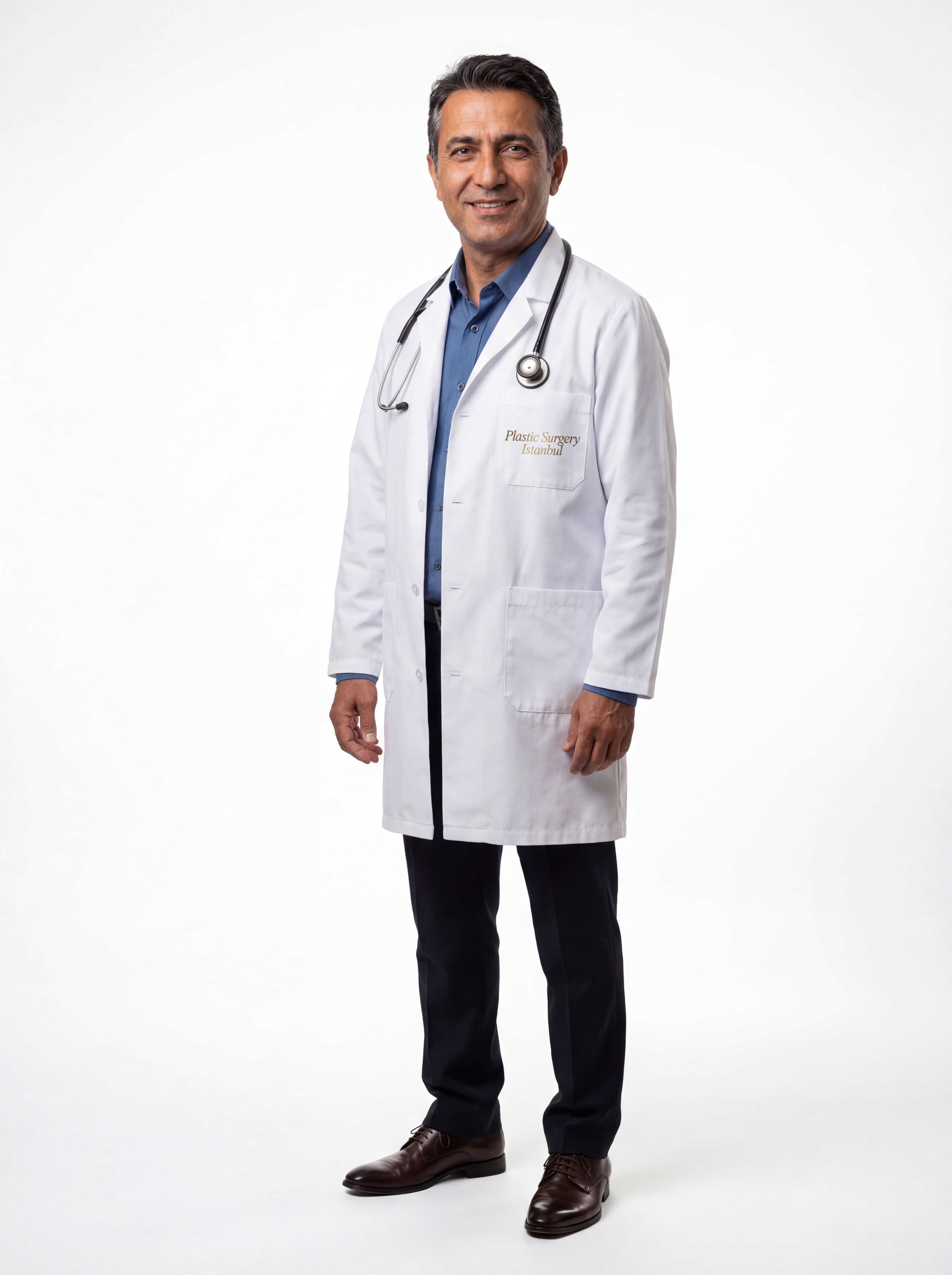
With over 20 years of periorbital and facial surgery expertise, Prof. Dr. Uçar brings a surgeon's deep anatomical knowledge to non-surgical eyelid treatments — ensuring maximum safety and optimal results with every energy-based and injectable procedure.
- ISAPS Member — Global Top 5%
- 20+ Years Periorbital Surgery Expertise
- Advanced Energy Device Certification
- Surgical-Level Anatomical Knowledge
- JCI Hospital Affiliation
Non-Surgical vs. Surgical Blepharoplasty: Which Is Right for You?
Non-surgical blepharoplasty uses energy devices (plasma, HIFU, RF) to tighten eyelid skin without incisions — ideal for mild-moderate aging with 0–7 day recovery. Surgical blepharoplasty uses incisions to remove excess skin and fat — ideal for severe drooping with 10–14 day recovery. Non-surgical is best for early aging, prevention, and minimal downtime; surgical is best for significant tissue excess and permanent correction.
| Factor | Non-Surgical | Surgical |
|---|---|---|
| Procedure Type | Energy-based / injectable — no incisions | Surgical with incisions and tissue removal |
| Anesthesia | Topical numbing cream only | Local with sedation or general |
| Skin Removal | No — tightens and lifts existing skin | Yes — excess skin physically excised |
| Fat Removal/Repositioning | No (fillers can add volume) | Yes — fat removed or repositioned |
| Scarring | None | Hidden in natural crease |
| Recovery | 0–7 days depending on technique | 10–14 days (swelling/bruising) |
| Results Duration | 1–3 years (maintainable with sessions) | 10–15+ years (permanent) |
| Degree of Improvement | 15–30% tightening per session | Complete correction possible |
| Best For | Mild-moderate aging, prevention, maintenance | Severe drooping, fat herniation, permanent fix |
| Cost (Turkey) | $800 – $2,500 | $1,500 – $3,500 |
Your Non-Surgical Blepharoplasty Journey in Istanbul: Step by Step
Free Online Consultation
Submit photos and describe your concerns through our secure portal. Prof. Dr. Uçar personally reviews every case and provides a detailed assessment within 24 hours — including technique recommendation (plasma, HIFU, RF, injectable, or combination), expected results, number of sessions needed, and transparent all-inclusive pricing. No obligation, no hidden fees.
Personalized Treatment Plan
Receive a customized treatment plan specifying the exact techniques, device settings, treatment zones, and expected outcomes for your anatomy and goals. If pre-treatment skincare preparation is beneficial for your skin type, a protocol is provided 2 weeks before arrival.
VIP Arrival in Istanbul
Your dedicated VIP coordinator meets you at Istanbul Airport with private transfer to your 5-star hotel in Nişantaşı — Istanbul's most prestigious neighborhood. In-person consultation and skin assessment on arrival day. Treatment scheduled for the following morning.
Treatment Day
Arrive at the JCI-accredited facility. Topical numbing cream applied to the treatment area (20–30 minutes). The non-surgical blepharoplasty procedure takes 15–90 minutes depending on technique. Post-treatment soothing protocol applied. Return to your hotel with aftercare instructions. For HIFU patients — you can enjoy Istanbul immediately.
Recovery & Follow-Up
Recovery varies by technique — from zero downtime (HIFU) to 5–7 days (plasma pen). In-person review with Prof. Dr. Uçar before departure. Enjoy Istanbul's culture and cuisine during your gentle recovery. Structured virtual follow-ups at 2 weeks, 1 month, and 3 months post-treatment to track your progressive results.
Non-Surgical Blepharoplasty Turkey: Frequently Asked Questions
Non-surgical blepharoplasty in Turkey costs $800–$2,500 all-inclusive at Plastic Surgery Istanbul. This covers the treatment, JCI-accredited facility, 5-star hotel accommodation, VIP airport transfers, and aftercare. The same treatments in the US cost $2,000–$6,000 per session — representing savings of 65–80%.
Get Your Free Non-Surgical Blepharoplasty Quote
Submit your details and receive a personalized treatment recommendation and all-inclusive quote within 24 hours — including technique selection and expected results timeline.