Blepharoplasty Scars: Will Eyelid Surgery Leave Visible Scars?
Blepharoplasty scars are one of the most common concerns patients have before eyelid surgery — and one of the most misunderstood. In the hands of an experienced surgeon like Prof. Dr. Mehmet Kaan Uçar, blepharoplasty incisions become virtually invisible within 3–6 months. This comprehensive guide explains exactly how scars heal, what determines scar quality, and the proven protocols that make blepharoplasty one of the most scar-friendly procedures in all of plastic surgery.
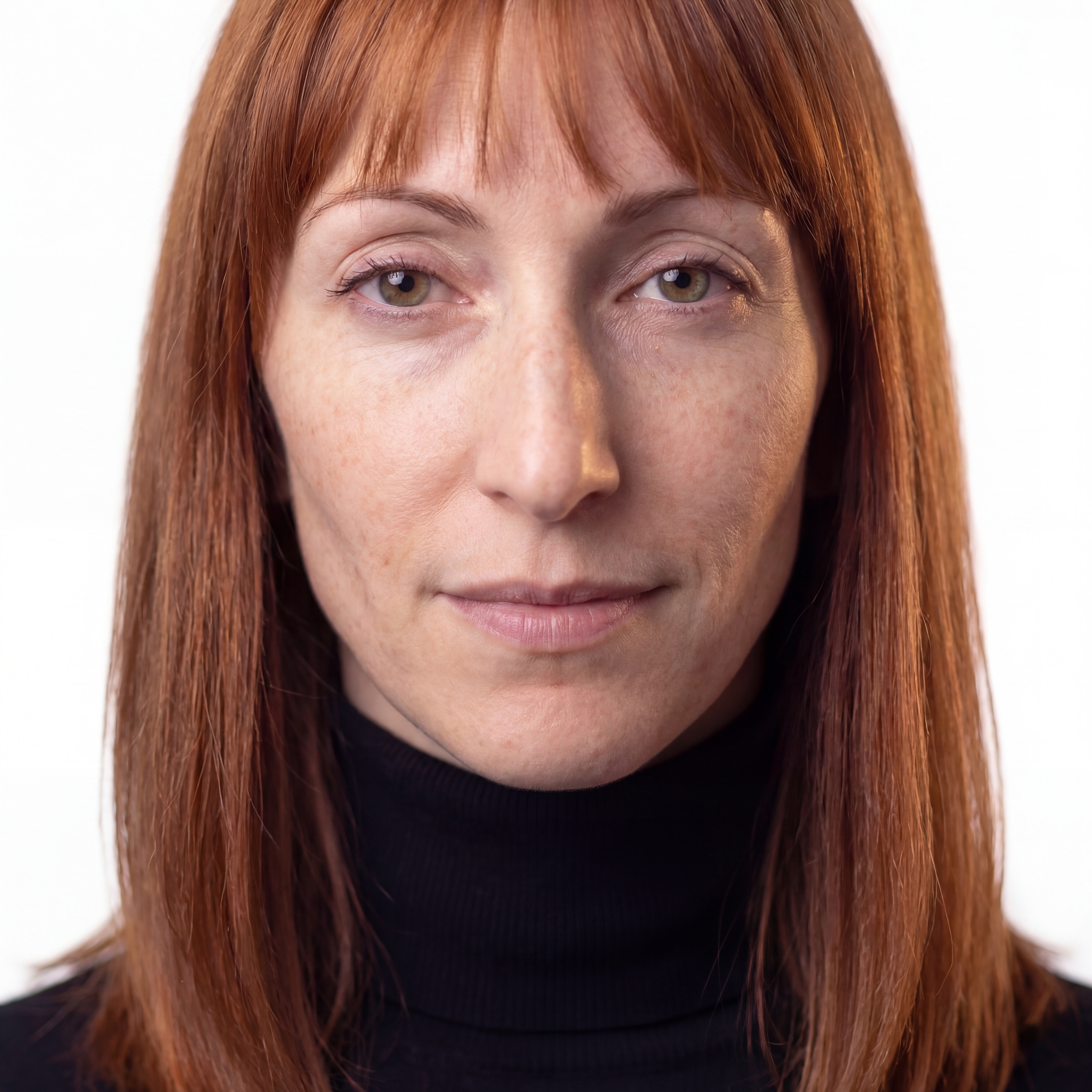
Virtually Invisible
Expert Scar Minimization
Understanding Blepharoplasty Scars: Why Eyelid Incisions Heal Exceptionally Well
Blepharoplasty scars are among the least visible of all surgical scars because incisions are placed within the natural eyelid crease (upper) or just below the lash line (lower), where they become hidden in the natural skin folds. The eyelid area has exceptional blood supply and the thinnest skin on the body (0.5mm), both of which promote rapid, fine-line healing. Most blepharoplasty scars are undetectable to others within 3–6 months.
Blepharoplasty scars represent one of the greatest advantages of eyelid surgery compared to other facial procedures — because the anatomy of the eyelid is uniquely suited to concealing surgical incision lines. Unlike a facelift or rhinoplasty where incisions must navigate through thicker, more visible skin, blepharoplasty incisions are strategically placed in anatomical creases and folds that naturally hide thin scars. At Plastic Surgery Istanbul, scar management begins before surgery even starts — with incision planning that prioritizes long-term scar invisibility.
The science behind excellent eyelid scar healing is well-established. The periorbital area has one of the richest blood supplies in the body, delivering abundant oxygen, nutrients, and growth factors to the healing tissue. The skin is only 0.5mm thick — compared to 2mm on the cheeks — which means incisions cut through far less tissue depth, producing thinner, finer scars. Additionally, the constant micro-motion from blinking (15,000–20,000 times daily) actually promotes collagen remodeling, helping scars mature from pink and firm to soft and skin-colored more quickly than scars elsewhere.
Prof. Dr. Mehmet Kaan Uçar's incision technique is designed specifically for scar minimization. Using magnification loupes and microsurgical precision, he places every incision within 0.5mm of the ideal anatomical landmark — the natural eyelid crease for upper blepharoplasty, and 1–2mm below the lash line for lower procedures. This precision, refined over 20+ years and thousands of cases, is why his patients consistently report that even they cannot find their own scars within months of surgery.
According to research published in the Aesthetic Surgery Journal, patient satisfaction with blepharoplasty scarring exceeds 95% at 6 months post-surgery — the highest satisfaction rate of any facial aesthetic procedure. This data aligns perfectly with our clinical experience at Plastic Surgery Istanbul, where scar-related revision requests are exceptionally rare.
Upper Blepharoplasty Scars: Where and How They Heal
Upper blepharoplasty scars are placed within the natural eyelid crease — the fold that forms when you open your eyes. This means the scar is completely hidden when your eyes are open (which is most of the time). When eyes are closed, the scar appears as a thin line within the crease. By 3–6 months, upper blepharoplasty scars typically match the surrounding skin color and are virtually undetectable.
Incision Placement: The Natural Crease Advantage
The upper blepharoplasty incision follows the natural supratarsal crease — the fold that forms approximately 8–10mm above the lash line when you open your eyes. This crease is a natural depression in the eyelid skin, and even before surgery, a subtle line exists here in most people. Prof. Dr. Uçar precisely marks this crease while the patient is sitting upright (not lying down, which shifts the anatomy), ensuring the incision falls exactly where the natural fold conceals it. When eyes are open — which is essentially all waking hours — the scar is completely invisible, tucked within the fold. This anatomical advantage is unique to blepharoplasty and is the primary reason eyelid scars heal so discreetly.
Healing Timeline: From Pink Line to Invisible
Week 1: The incision appears as a thin pink/red line with slight swelling and possible bruising. Sutures are typically removed at Day 3–5. Weeks 2–4: The scar transitions from red to pink, and surrounding swelling continues to resolve. Makeup can camouflage the scar from Day 14. Months 1–3: The scar fades from pink to light pink, becoming increasingly difficult to see. Months 3–6: The scar matures to match surrounding skin color — appearing as an ultra-fine line that blends with the natural crease. Months 6–12: Final maturation; the scar is typically undetectable even under close inspection. Some patients' scars become completely invisible by Month 3.
What Affects Upper Blepharoplasty Scar Quality
Several factors influence how your upper blepharoplasty scar heals: Surgeon technique (precise incision placement, minimal tissue trauma, proper suturing tension — the most important factor), Genetics (some skin types produce finer scars naturally), Sun protection (UV exposure permanently darkens healing scars), Scar care compliance (silicone gel, massage, and SPF dramatically improve outcomes), and Smoking status (smokers develop 3–5x more visible scars due to impaired blood flow). Of these factors, surgeon technique and sun protection are the two you can most effectively control.
Lower Blepharoplasty Scars: Techniques for Minimal Scarring
Lower blepharoplasty scars depend on the technique used. Transcutaneous (external) incisions are placed 1–2mm below the lash line and heal to become nearly invisible within 3–6 months. Transconjunctival (internal) incisions leave no external scar at all — the incision is made inside the eyelid. Prof. Dr. Uçar selects the optimal technique based on each patient's anatomy and goals.
Transcutaneous (External) Lower Blepharoplasty Scars
The transcutaneous approach places the incision 1–2mm below the lower lash line, extending slightly into the crow's feet area along a natural wrinkle line. This technique is used when skin removal is necessary (in cases of significant skin excess or laxity). The scar follows the natural lash margin so closely that it becomes virtually invisible — the eyelashes partially conceal it, and the thin lower eyelid skin heals with extremely fine scarring. Prof. Dr. Uçar uses microsurgical suturing with ultra-fine 6-0 and 7-0 sutures to minimize tissue trauma and optimize scar formation. Most external lower blepharoplasty scars are undetectable by Month 3–4.
Transconjunctival (Scarless) Lower Blepharoplasty
The transconjunctival approach is the gold standard for patients who need fat removal or repositioning without significant skin excess. The incision is made on the inside of the lower eyelid (the conjunctiva) — meaning there is absolutely no external scar. This technique is Prof. Dr. Uçar's preferred approach whenever anatomically appropriate, as it combines excellent results with zero visible scarring. The internal incision heals within 7–10 days and is invisible from the outside at all times. Approximately 60–70% of lower blepharoplasty patients at Plastic Surgery Istanbul are candidates for this scarless approach.
Pinch Technique for Minimal Skin Removal
For patients who need only minor skin removal, Prof. Dr. Uçar may use the pinch excision technique — removing a small, precisely calculated strip of skin just below the lash line. This creates the shortest possible incision (often only 15–20mm) and produces an exceptionally fine scar. The pinch technique is particularly effective for patients with mild skin redundancy who want the benefits of skin tightening with the absolute minimum scarring footprint.
Get Your Personalized Scar Assessment
Submit your photos and Prof. Dr. Uçar will assess your skin type, discuss scar expectations specific to your anatomy, and provide your customized surgical plan with exact all-inclusive pricing.
Blepharoplasty Scar Healing Stages: Week-by-Week Guide
Blepharoplasty scar healing stages: Week 1 — red, slightly raised, sutures removed. Weeks 2–4 — pink, flattening, makeup can cover. Months 1–3 — light pink fading to skin color, becoming difficult to detect. Months 3–6 — mature, thin, nearly invisible. Months 6–12 — final maturation, scar matches surrounding skin color completely.
Inflammatory Phase
Days 1–5Incision appears red and slightly swollen. Sutures visible. Mild bruising around the area. This is the body's natural inflammatory response initiating healing — increased blood flow brings immune cells and growth factors to the wound site. Sutures removed at Day 3–5 (painless procedure taking ~5 minutes per eye).
Early Proliferative Phase
Weeks 1–2Scar transitions from bright red to darker pink. Swelling continues resolving. The body is producing new collagen fibers to close and strengthen the wound. Scar may feel slightly firm or raised — this is normal. Begin silicone scar gel at Week 2 (once surgeon confirms wound closure).
Active Remodeling
Weeks 3–6Scar fades from dark pink to light pink. Firmness softens. Begin gentle scar massage (circular motions, 2–3 minutes, 2–3x daily). The collagen fibers are reorganizing from random to structured patterns, which is why the scar becomes softer and flatter. Most patients feel comfortable without concealer in social settings by Week 4–6.
Progressive Maturation
Months 2–3Scar becomes progressively lighter — transitioning from pink to the surrounding skin color. Fine texture develops. Under normal lighting conditions, the scar becomes difficult to detect without close inspection. Continue silicone gel and SPF protection. Some patients' scars are already invisible at this stage.
Late Maturation
Months 3–6Scar reaches near-final appearance. Color matches surrounding skin. Texture normalizes. The incision line appears as an ultra-fine line within the natural crease — indistinguishable from the crease itself. Over 90% of patients cannot identify their own scar by Month 6.
Final Result
Months 6–12Complete scar maturation. The collagen has fully reorganized, the melanocytes have normalized, and the scar is at its final, permanent appearance. With proper technique and aftercare, blepharoplasty scars at this stage are virtually undetectable — even under magnification in many cases.
How to Prevent Visible Blepharoplasty Scars: Expert Protocol
Prevent visible blepharoplasty scars with: silicone scar gel twice daily for 3 months (60–80% improvement in scar quality), daily SPF 30+ for 6–12 months (prevents permanent scar darkening), gentle scar massage from Week 3, no smoking for 4+ weeks, proper nutrition (vitamin C, protein, zinc), and choosing an experienced surgeon with microsurgical technique.
Silicone Scar Gel — The Gold Standard Treatment
Medical-grade silicone scar gel is the most evidence-backed topical scar treatment available. Clinical studies demonstrate 60–80% improvement in scar appearance with consistent use. Silicone works by creating a semi-occlusive barrier that maintains optimal hydration levels in the scar tissue, regulates collagen production (preventing overgrowth that causes raised scars), and protects the healing tissue from environmental irritants. Apply a thin layer twice daily — morning and evening — starting once incisions are fully closed (typically Week 2). Continue for 3 months minimum. Recommended products: ScarAway, Dermatix, Mederma, or medical-grade equivalents. Prof. Dr. Uçar includes a premium silicone scar gel in every patient's aftercare kit.
Sun Protection — The Most Critical Scar Care Step
UV exposure is the single biggest threat to blepharoplasty scar quality. Healing scars contain elevated melanocyte activity — making them hyper-responsive to ultraviolet radiation. Even brief sun exposure can cause permanent hyperpigmentation (darkening), creating a visible brown or purple line where the scar would otherwise be invisible. Apply mineral SPF 30+ sunscreen around the eye area daily — even on cloudy days (80% of UV penetrates clouds). Wear UV400 wrap-around sunglasses whenever outdoors for the first 6 months. This single practice makes more difference to final scar quality than all other scar treatments combined.
Gentle Scar Massage — Accelerating Remodeling
Beginning at Week 3 (once wounds are fully healed), perform gentle scar massage using circular motions along the incision line for 2–3 minutes, 2–3 times daily. Use silicone scar gel or vitamin E oil as lubricant. Massage works by breaking down collagen adhesions — abnormal cross-links between collagen fibers that cause firmness and slight elevation. Regular massage accelerates the transition from a firm, pink scar to a soft, flat, skin-colored line. The pressure should be gentle but firm — enough to feel the tissue moving, not enough to cause pain.
Nutrition for Optimal Scar Healing
Your body requires specific nutrients to produce high-quality scar tissue. Vitamin C (1000mg daily) is essential for collagen cross-linking — without it, collagen fibers are weak and disorganized. Protein (1.2–1.5g/kg/day) provides the amino acids (proline, glycine, lysine) that form collagen's structural backbone. Zinc (15mg daily) supports immune function and cellular repair. Omega-3 fatty acids modulate inflammation, preventing excessive scarring. Avoid smoking (reduces blood flow by 30–50%, directly producing thicker, more visible scars) and alcohol (dehydrates tissue, impairs healing). See our complete guide: [What to Eat After Blepharoplasty](/what-to-eat-after-blepharoplasty).
Choosing the Right Surgeon — The Foundation of Minimal Scarring
No amount of aftercare can compensate for poor surgical technique. The factors that determine scar quality begin in the operating room: precise incision placement (within 0.5mm of the ideal crease line), atraumatic tissue handling (minimizing crush injury to skin edges), proper suture selection and tension (too tight = wider scars; too loose = poor wound approximation), meticulous hemostasis (preventing blood collection under the wound), and conservative excision (removing only the necessary tissue, preserving natural anatomy). Prof. Dr. Uçar's microsurgical approach addresses all five factors — which is why his scarring rates are consistently among the lowest reported in published literature.
Blepharoplasty Scar Treatment Options: If Your Scar Needs Help
Blepharoplasty scar treatments include silicone gel/sheets (first-line), steroid injections (for raised scars), laser treatment — fractional CO2 or pulsed dye laser (for red or textured scars), microneedling (for texture irregularities), and scar revision surgery (rare, for significant scarring). Most scars improve dramatically with silicone + SPF alone; advanced treatments are rarely needed with proper surgical technique.
Silicone Gel and Silicone Sheets
First-line treatment for all blepharoplasty scars. Silicone products maintain optimal wound hydration, regulate collagen synthesis, and create a protective barrier. Gel is more practical for the eyelid area (sheets are difficult to keep in place on curved, mobile eyelid skin). Apply twice daily for 3–6 months. Improvement: 60–80% in scar quality. Available over-the-counter without prescription. This is the only scar treatment that should be used universally — every blepharoplasty patient benefits.
Steroid (Corticosteroid) Injections
For scars that become hypertrophic (raised, firm, and pink beyond the normal healing timeline), intralesional triamcinolone injections can flatten and soften the scar tissue within 2–4 weeks. This treatment is rarely needed after blepharoplasty (hypertrophic scarring of eyelid skin is uncommon due to the thin skin and excellent blood supply), but when indicated, it produces excellent results. Typically 1–3 injection sessions spaced 4–6 weeks apart. Prof. Dr. Uçar offers this as part of follow-up care if needed.
Laser Scar Treatment
Fractional CO2 laser and pulsed dye laser (PDL) are advanced options for scars that remain visible beyond the expected healing timeline. CO2 laser creates microscopic channels in scar tissue that trigger new collagen remodeling — effectively 'resurfacing' the scar. PDL targets hemoglobin in blood vessels, reducing persistent redness. These treatments are typically considered at Month 6–12 if the scar hasn't matured as expected. In Prof. Dr. Uçar's practice, laser scar revision is needed in fewer than 2% of blepharoplasty cases — a testament to primary surgical technique.
Microneedling
Medical microneedling (also called collagen induction therapy) uses fine needles to create controlled micro-injuries in scar tissue, triggering fresh collagen production and remodeling. This can improve scar texture, color, and flexibility. Treatment typically begins at Month 3 and involves 3–4 sessions spaced 4 weeks apart. Microneedling is particularly effective for scars with minor texture irregularities — it produces subtle but meaningful improvement without the downtime of laser treatment.
Scar Revision Surgery (Extremely Rare)
In very rare cases where blepharoplasty scars remain problematic despite conservative treatments, scar revision surgery can re-excise the scar tissue and create a new, thinner incision line. This is an exceptionally uncommon need — in Prof. Dr. Uçar's practice of thousands of blepharoplasty procedures, scar revision is requested in fewer than 0.5% of cases. When revision is performed, it typically produces excellent results because the original wound healing issues (inflammation, tension, sun damage) are no longer present.
Risk Factors for Poor Blepharoplasty Scarring
Risk factors for poor blepharoplasty scarring include smoking (3–5x more visible scars), sun exposure during healing (permanent darkening), genetics (keloid-prone skin types), poor nutrition, infection, and choosing an inexperienced surgeon. However, even patients with risk factors can achieve excellent scar outcomes with proper surgical technique and strict aftercare compliance.
Smoking and Nicotine Use
Smoking is the most significant modifiable risk factor for poor scarring. Nicotine causes vasoconstriction — reducing blood flow to healing tissue by 30–50% — which directly impairs collagen production, oxygen delivery, and immune function. Smokers develop scars that are 3–5x more visible than non-smokers' scars. This includes all nicotine products: cigarettes, vaping, patches, and gum. Stop at least 4 weeks before surgery and remain smoke-free for 4–6 weeks after for optimal scar outcomes.
Skin Type and Genetics
Some patients are genetically predisposed to thicker or darker scarring. Fitzpatrick skin types IV–VI (darker skin tones) have higher melanocyte activity, which can produce more visible post-inflammatory hyperpigmentation. Patients with a history of keloid or hypertrophic scarring elsewhere on the body should inform their surgeon — though fortunately, keloid formation on eyelid skin is extremely rare due to the thin tissue and excellent blood supply. Prof. Dr. Uçar adjusts his technique and aftercare protocol for patients with higher scarring risk.
Infection and Wound Complications
Any complication that disrupts normal wound healing — infection, hematoma (blood collection), wound dehiscence (opening), or excessive inflammation — increases the risk of visible scarring. This is why aftercare compliance is so critical: proper wound hygiene, avoiding touching or rubbing the eye area, completing prescribed antibiotics, and attending follow-up appointments all minimize complication risk. At Plastic Surgery Istanbul, wound complications occur in fewer than 1% of blepharoplasty cases due to strict surgical protocols and comprehensive aftercare.
Blepharoplasty with Expert Scar Management: Turkey vs. USA Cost
All-inclusive blepharoplasty in Turkey costs $1,500–$3,500 including surgery, hospital, scar management protocol, silicone scar gel, medications, hotel, transfers, and 12-month follow-up. The same procedure in the USA costs $4,000–$15,000 for surgery alone — scar care products and follow-up are additional. Turkey saves 65–80%.
| Procedure | Turkey (All-Inclusive) | USA (Surgery Only) | Savings |
|---|---|---|---|
| Upper Blepharoplasty | $1,500–$2,000 | $4,000–$7,000 | 65–75% |
| Lower Blepharoplasty | $1,800–$2,500 | $5,000–$8,500 | 65–70% |
| Combined Upper + Lower | $2,200–$3,500 | $8,000–$15,000 | 70–80% |
| Revision Blepharoplasty | $2,500–$4,000 | $7,000–$15,000 | 65–75% |
Upper Blepharoplasty
From $1,500
- Upper eyelid surgery by Prof. Dr. Uçar
- JCI-accredited hospital
- Premium silicone scar gel kit
- Complete aftercare & medications
- 5-star hotel (2 nights)
- VIP airport transfers
- 24/7 patient coordinator
- 12-month scar follow-up
Combined Blepharoplasty
From $2,200
- Upper + lower eyelid surgery
- JCI-accredited hospital + overnight
- Advanced scar management protocol
- All medications & supplements
- 5-star hotel (3 nights)
- VIP airport transfers
- Dedicated patient coordinator
- 12-month scar follow-up
Full Eye Rejuvenation
From $3,500
- Upper + lower blepharoplasty + brow lift
- JCI-accredited hospital
- Comprehensive scar care package
- All medications & care supplies
- 5-star hotel (4 nights)
- VIP transfers & city tour
- Personal concierge service
- Lifetime follow-up support
Blepharoplasty Cost: Turkey vs. Major US Cities
New York, NY
US Cost: $6,000–$12,000
Save 75–85%
Los Angeles, CA
US Cost: $5,500–$10,000
Save 70–85%
Miami, FL
US Cost: $4,500–$9,000
Save 65–80%
Chicago, IL
US Cost: $4,000–$8,500
Save 65–80%
Houston, TX
US Cost: $4,000–$8,000
Save 65–80%
Boston, MA
US Cost: $5,000–$10,000
Save 70–85%
San Francisco, CA
US Cost: $6,000–$11,000
Save 75–85%
Atlanta, GA
US Cost: $4,000–$8,000
Save 65–80%
Your Blepharoplasty Specialist: Prof. Dr. Mehmet Kaan Uçar

Every scar management protocol on this page is developed by Prof. Dr. Mehmet Kaan Uçar — a board-certified plastic surgeon with over 20 years of specialized expertise in facial aesthetic surgery. His microsurgical technique — combining magnification-assisted incision placement, atraumatic tissue handling, and precision suturing — produces consistently superior scar outcomes that exceed published benchmarks.
Prof. Dr. Uçar is an active member of ISAPS (International Society of Aesthetic Plastic Surgery), representing the global top 5% of plastic surgeons. His commitment to scar excellence extends beyond the operating room — every patient receives a personalized scar management protocol, premium silicone scar products, and a 12-month follow-up program dedicated to ensuring the best possible long-term scar outcome.
- Board-Certified Plastic Surgeon — 20+ Years Experience
- ISAPS Member (International Society of Aesthetic Plastic Surgery)
- 10,000+ Successful Aesthetic Procedures
- Microsurgical Scar Minimization Techniques
- JCI-Accredited Hospital Operating Privileges
- Published Researcher in Periorbital Surgery
Your Blepharoplasty Journey at Plastic Surgery Istanbul
Free Online Consultation
Submit your photos and receive a personalized surgical assessment, scar prognosis based on your skin type, and exact all-inclusive pricing from Prof. Dr. Uçar within 24 hours.
Pre-Surgery Preparation
Follow the pre-surgery optimization protocol — stop smoking, begin vitamin C supplementation, and prepare for your recovery with our detailed scar care guide.
VIP Arrival in Istanbul
Private airport transfer to your 5-star hotel. Meet your dedicated patient coordinator who manages every detail of your stay and recovery.
Surgery Day
Blepharoplasty at JCI-accredited hospital by Prof. Dr. Uçar using microsurgical scar-minimization technique. Procedure takes 45–90 minutes under local anesthesia with sedation.
Guided Scar Recovery
Receive your premium scar care kit including medical-grade silicone gel, SPF protection, and detailed day-by-day scar management instructions. Daily coordinator check-ins monitor healing progress.
12-Month Scar Follow-Up
After returning home, receive ongoing scar monitoring. Virtual check-ins at Week 2, Month 1, Month 3, Month 6, and Month 12 ensure optimal scar maturation.
Frequently Asked Questions: Blepharoplasty Scars
In the vast majority of cases, blepharoplasty scars become virtually invisible within 3–6 months. Upper eyelid scars are hidden within the natural eyelid crease, and lower eyelid scars (when external) are placed just below the lash line. Transconjunctival (internal) lower blepharoplasty leaves no external scar at all. Over 95% of patients report satisfaction with scar appearance at 6 months.
Get Your Free Blepharoplasty Consultation
Submit your photos and Prof. Dr. Uçar will provide your personalized surgical plan, scar prognosis for your skin type, and exact all-inclusive pricing — within 24 hours.