What Is Blepharoplasty? The Complete Guide to Eyelid Surgery in Turkey
Blepharoplasty is the medical term for eyelid surgery — a procedure that removes excess skin, fat, and muscle from the upper and/or lower eyelids to restore a youthful, alert appearance. Turkey offers all-inclusive blepharoplasty packages from $1,500 at JCI-accredited hospitals with ISAPS-certified surgeons — saving 65–80% compared to US pricing.
From $1,500
All-Inclusive Package
Blepharoplasty Explained: Understanding Eyelid Surgery
Blepharoplasty is a surgical procedure that corrects drooping eyelids by removing excess skin, fat, and sometimes muscle from the upper and/or lower eyelids. It is performed for both cosmetic reasons (rejuvenating tired-looking eyes) and functional reasons (improving vision blocked by sagging upper lids). Blepharoplasty is one of the top 5 most performed cosmetic surgeries worldwide, with over 1.5 million procedures annually according to ISAPS.
Blepharoplasty — derived from the Greek words 'blepharon' (eyelid) and 'plassein' (to form) — is the precise surgical reshaping of the eyelids. It addresses the natural aging process that causes the delicate skin around the eyes to stretch, muscles to weaken, and fat deposits to herniate forward, creating a tired, aged, or heavy-lidded appearance. The procedure can target the upper eyelids alone, lower eyelids alone, or both simultaneously for comprehensive periorbital rejuvenation.
What makes blepharoplasty particularly significant is that the eyes are the focal point of human interaction — they are where people look first and where aging is most immediately noticeable. Even subtle eyelid changes can dramatically affect how rested, alert, and youthful a person appears. This is why blepharoplasty consistently ranks among the top 5 cosmetic surgeries globally, with ISAPS reporting over 1.5 million procedures performed annually worldwide.
At Plastic Surgery Istanbul, our lead surgeon Prof. Dr. Mehmet Kaan Uçar brings over 20 years of periorbital and facial surgery expertise with active ISAPS membership — placing him in the global top 5% of plastic surgeons. His blepharoplasty practice encompasses every technique from conservative skin-only procedures to complex structural reconstruction, fat transposition, and combination approaches. All-inclusive packages start from $1,500 — covering the procedure, JCI hospital, 5-star hotel in Nişantaşı, VIP airport transfers, and 12-month structured aftercare.
Considering Blepharoplasty?
Free video consultation with Prof. Dr. Uçar — personalized assessment, technique recommendation, and exact pricing for your case.
Types of Blepharoplasty: Which Eyelid Surgery Is Right for You?
The main types of blepharoplasty are: (1) Upper blepharoplasty — removes excess upper eyelid skin and fat, (2) Lower blepharoplasty — addresses under-eye bags and wrinkles, (3) Double eyelid surgery — creates an eyelid crease in monolid eyes, (4) Transconjunctival blepharoplasty — scarless lower lid surgery from inside the eyelid, (5) Laser blepharoplasty — non-surgical skin tightening, and (6) Revision blepharoplasty — corrects previous unsatisfactory results.
Upper Blepharoplasty
The most common type of blepharoplasty, upper eyelid surgery removes excess skin that creates a hooded, heavy appearance or obstructs peripheral vision. An incision is made within the natural eyelid crease — rendering the scar virtually invisible once healed. Excess skin, and sometimes a strip of orbicularis muscle and herniated fat, are precisely excised to reveal a refreshed, more defined upper eyelid contour. The procedure takes 30–45 minutes per eye under local anesthesia with sedation.
Lower Blepharoplasty
Lower blepharoplasty addresses the 'bags,' puffiness, wrinkles, and loose skin beneath the eyes that create a chronically tired appearance. Techniques range from skin-only excision (for wrinkles) to fat transposition (repositioning herniated fat into the tear trough to smooth the lid-cheek junction) to fat removal. The incision is placed just below the lash line or inside the eyelid (transconjunctival approach) for a scarless result.
Double Eyelid Surgery (Asian Blepharoplasty)
Specifically designed for patients with a monolid (single eyelid without a visible crease), this blepharoplasty variant creates a natural-appearing supratarsal crease. The procedure can use incisional or non-incisional (suture) techniques depending on anatomy and desired crease height. Prof. Dr. Uçar specializes in creating ethnically harmonious results that enhance the eyes while respecting individual facial identity.
Transconjunctival Blepharoplasty
A specialized lower blepharoplasty technique where the incision is made inside the lower eyelid (through the conjunctiva), leaving absolutely no external scar. This approach is ideal for younger patients with fat herniation but good skin quality — allowing fat removal or repositioning without visible evidence of surgery. It is often combined with laser skin tightening for comprehensive lower lid rejuvenation.
Laser Blepharoplasty
A non-surgical alternative that uses fractional CO₂ or Erbium:YAG lasers to tighten eyelid skin through controlled thermal injury and collagen stimulation. Laser blepharoplasty delivers 15–30% skin tightening per session without incisions, making it ideal for mild laxity, fine lines, and patients who prefer non-surgical options. Results develop over 3–6 months as neocollagenesis completes.
Revision Blepharoplasty
A specialized corrective procedure for patients unsatisfied with previous blepharoplasty results — addressing over-resection, hollowing, asymmetry, retraction, ectropion, or scarring. Revision surgery is significantly more complex than primary blepharoplasty, requiring advanced techniques including fat grafting, canthoplasty, spacer grafts, and structural reconstruction. Prof. Dr. Uçar accepts complex revision cases from patients worldwide.
How Does Blepharoplasty Work? Step-by-Step Procedure
Blepharoplasty works through a carefully planned surgical process: (1) Preoperative marking of excess skin while sitting upright, (2) Administration of local anesthesia with sedation, (3) Incision along the natural eyelid crease (upper) or below lash line/inside eyelid (lower), (4) Removal or repositioning of excess skin, muscle, and fat, (5) Precise closure with fine sutures, and (6) Application of ointment and cold compresses.
Preoperative Planning and Marking
Every successful blepharoplasty begins with meticulous preoperative marking performed with the patient sitting upright. Prof. Dr. Uçar marks the exact amount of skin to be removed, the crease position, and fat compartments to address — using calipers and pinch tests to ensure precise, symmetrical results. This planning phase is arguably the most critical step — determining the final outcome before the first incision is made.
Anesthesia and Comfort
Blepharoplasty is typically performed under local anesthesia with intravenous sedation — meaning the eyelid area is completely numbed while the patient remains relaxed and comfortable but not under general anesthesia. This approach offers significant safety advantages: reduced anesthesia risks, faster recovery, and the ability for the surgeon to assess eyelid position and symmetry during the procedure if needed.
Surgical Technique
The surgical phase of blepharoplasty involves precise tissue manipulation through incisions hidden in natural anatomical landmarks. For upper lids, the incision follows the natural crease; for lower lids, it's placed just below the lash line or inside the eyelid. Excess skin is excised, protruding fat is removed or redistributed, and weakened muscles may be tightened. Prof. Dr. Uçar uses microsurgical technique with loupe magnification for maximum precision.
Closure and Immediate Aftercare
Blepharoplasty incisions are closed with ultra-fine sutures (7-0 or 8-0) that minimize scarring. Antibiotic ointment is applied to the incision lines, and cold compresses begin immediately to reduce swelling. The entire procedure typically takes 45–90 minutes depending on whether upper, lower, or both eyelids are treated. Patients rest in the recovery area for 1–2 hours before being discharged to their hotel.
Why Surgeon Selection Matters
The eyes are the most expressive and visible part of the face — even millimeter-level imprecision in blepharoplasty can create noticeable asymmetry or an unnatural appearance. This is why surgeon selection is the single most important decision in eyelid surgery. Prof. Dr. Uçar's 20+ years of periorbital specialization and ISAPS certification represent the highest tier of surgical expertise — the difference between adequate results and exceptional ones.
Who Is a Good Candidate for Blepharoplasty?
Good candidates for blepharoplasty include adults with: excess upper eyelid skin creating a hooded appearance, puffy bags beneath the eyes, drooping lower eyelids, impaired peripheral vision from upper lid sagging, fine wrinkles and crepey skin around the eyes, and desire for a more alert and youthful appearance. Ideal candidates are generally 35+ years old, in good health, non-smokers, and have realistic expectations.
Excess Upper Eyelid Skin (Dermatochalasis)
The most common indication for blepharoplasty is dermatochalasis — the medical term for excess upper eyelid skin that creates a hooded, heavy appearance. This condition is primarily age-related (the skin loses elasticity over time) but can also be genetic, appearing in some patients as early as their 30s. When severe, the excess skin can fold over the lash line and obstruct peripheral vision — making blepharoplasty both a cosmetic and functional procedure.
Under-Eye Bags and Puffiness
Herniated orbital fat — commonly called 'bags under the eyes' — is another primary indication for blepharoplasty. The orbital septum (membrane holding fat behind the eyeball) weakens with age, allowing fat to protrude forward and create visible bulges beneath the eyes. This creates a perpetually tired, aged appearance regardless of how well-rested the person is. Lower blepharoplasty removes or repositions this fat for a smoother, refreshed under-eye contour.
Functional Vision Impairment
When upper eyelid skin sags to the point of obstructing the superior visual field, blepharoplasty becomes a medically necessary procedure — not just cosmetic. Patients often describe having to tilt their head back or manually lift their eyelids to see clearly, especially when reading or driving. Functional blepharoplasty restores a full, unobstructed visual field while simultaneously rejuvenating the appearance of the eyes.
Desire for Rejuvenation Without Looking 'Done'
The ideal blepharoplasty candidate wants to look refreshed and alert — not dramatically altered. Prof. Dr. Uçar's conservative, anatomy-respecting approach preserves the natural character of each patient's eyes while removing the specific excess that creates an aged appearance. The goal is for friends and colleagues to notice the patient looks 'rested' or 'well' — not that they've had surgery.
Age and Health Considerations
While blepharoplasty is most commonly performed on patients aged 35–75, there is no strict age limit. The key criteria are adequate health for surgery, realistic expectations, and genuine anatomical indications for the procedure. Conditions that may affect candidacy include uncontrolled thyroid disease, dry eye syndrome, glaucoma, and cardiovascular conditions that affect wound healing. Prof. Dr. Uçar performs a thorough medical evaluation for every patient.
Blepharoplasty Cost: Turkey vs. United States in 2026
Blepharoplasty in Turkey costs $1,500–$3,500 all-inclusive (procedure, JCI hospital, 5-star hotel, VIP transfers, aftercare). The same procedure in the US costs $4,000–$12,000 for the procedure alone — excluding facility fees, anesthesia, and follow-up visits. Turkey offers 65–80% savings with equivalent or superior outcomes from ISAPS-certified surgeons at JCI-accredited hospitals.
Standard
$1,500
- Upper OR lower blepharoplasty
- JCI-accredited hospital
- Local anesthesia with sedation
- 4-star hotel (3 nights)
- Airport transfers
- 6-month aftercare
Premium
$2,500
- Upper + lower blepharoplasty (bilateral)
- JCI-accredited hospital (VIP suite)
- IV sedation with monitoring
- 5-star hotel Nişantaşı (5 nights)
- VIP airport transfers
- 12-month aftercare
- Post-operative care kit
Elite
$3,500
- Comprehensive blepharoplasty + fat transposition
- JCI-accredited hospital (presidential suite)
- Full sedation available
- 5-star hotel Nişantaşı (7 nights)
- Private VIP transfers
- Lifetime aftercare
- Medical-grade skincare protocol
- Complementary laser skin treatment
Blepharoplasty Cost: Turkey vs. Major US Cities
New York
US cost: $7,000 – $12,000
Istanbul: $1,500 – $3,500
Save 75%
Los Angeles
US cost: $6,500 – $11,000
Istanbul: $1,500 – $3,500
Save 73%
Miami
US cost: $5,500 – $9,000
Istanbul: $1,500 – $3,500
Save 70%
Chicago
US cost: $5,000 – $8,500
Istanbul: $1,500 – $3,500
Save 68%
Houston
US cost: $4,500 – $8,000
Istanbul: $1,500 – $3,500
Save 65%
San Francisco
US cost: $7,000 – $12,000
Istanbul: $1,500 – $3,500
Save 76%
Boston
US cost: $6,000 – $10,000
Istanbul: $1,500 – $3,500
Save 72%
Dallas
US cost: $4,000 – $7,500
Istanbul: $1,500 – $3,500
Save 65%
Blepharoplasty Recovery: Complete Day-by-Day Timeline
Blepharoplasty recovery follows a predictable timeline: Day 1–2 most swelling and bruising, Day 3–5 peak swelling resolves, Day 5–7 suture removal, Day 7–10 most bruising fades (concealable with makeup), Week 2 return to work and social activities, Week 3–4 exercise resumes, Month 2–3 scars fade to near-invisible lines within the natural crease.
Immediate Post-Operative
Eyes feel tight and moderately swollen. Cold compresses applied every 20 minutes. Head elevated at 30–45 degrees. Prescribed antibiotic ointment, oral antibiotics, and pain medication. Vision may be slightly blurry from ointment. Avoid reading, screens, and bright light. Rest is the primary instruction — the body begins its healing response immediately.
Peak Swelling Phase
Swelling and bruising peak around day 2–3 — this is normal and expected. Bruising may extend to the cheeks. Continue cold compresses, ointment, and head elevation. Short gentle walks encouraged to promote circulation. Avoid bending over, straining, or heavy lifting. Eyes may feel dry — use prescribed lubricating drops regularly.
Suture Removal
In-person follow-up with Prof. Dr. Uçar for suture removal — a painless procedure taking 5 minutes. By this point, swelling has reduced significantly and the improved eyelid contour is becoming visible. Bruising transitions from dark purple to yellow-green (healing colors). Most patients feel comfortable enough to leave their hotel room for gentle exploration of Istanbul.
Social Recovery
Most patients return to work and social activities by week 2. Residual bruising is easily concealed with mineral makeup. Swelling continues decreasing daily. The eyelid crease is healing and becoming less visible. Contact lenses can typically be resumed. Gentle exercise (walking, light yoga) is permitted.
Return to Normal Activities
By week 3–4, the vast majority of visible recovery signs have resolved. Exercise resumes (including moderate cardio). Scars are thin lines within the natural eyelid crease — barely visible even without makeup. Results are emerging clearly: more defined, alert, youthful eyelid contour.
Final Results
Incision scars mature and fade to nearly invisible fine lines hidden within the natural eyelid crease. Any residual firmness or subtle swelling resolves completely. Final blepharoplasty results are visible — refreshed, rejuvenated eyes that look natural and age-appropriate. Results are permanent for the tissue removed, though the natural aging process continues at a normal pace.
Blepharoplasty Results: Before and After Expectations
Blepharoplasty results are among the most impactful of any cosmetic procedure — because the eyes dominate facial perception and even subtle improvements create significant aesthetic impact. Patients consistently report that blepharoplasty produces more compliments and inquiries ('You look amazing — have you been on vacation?') than any other procedure they've had, including more extensive surgeries like facelifts.
The hallmark of excellent blepharoplasty is invisibility — the best results look like the patient was simply born with beautiful, well-rested eyes rather than having undergone surgery. Prof. Dr. Uçar achieves this through his conservative, anatomy-respecting approach: removing only what is genuinely excess while preserving the natural fullness, character, and ethnic identity of each patient's unique eye structure.
Upper blepharoplasty results are typically visible within 2–3 weeks — a more defined, lifted, and alert upper eyelid that opens the eye area and can take years off the face. Lower blepharoplasty results take slightly longer to fully manifest (4–6 weeks) as swelling in the lower lid takes more time to resolve. The combined effect of bilateral upper and lower blepharoplasty is transformative — eliminating the tired, aged appearance and replacing it with a naturally refreshed, youthful look.
Blepharoplasty results are permanent for the tissue that is removed — excess skin, muscle, and fat do not grow back. However, the natural aging process continues, meaning some degree of new skin laxity will develop over 15–20+ years. Most blepharoplasty patients enjoy their results for a decade or more before considering any maintenance treatment.
Is Blepharoplasty Safe? Risks and Complications Explained
Blepharoplasty is one of the safest cosmetic surgeries with a major complication rate below 2% at experienced centers. Common temporary effects include swelling (100%), bruising (90%), dry eyes (30%), and temporary blurred vision from ointment. Rare complications include asymmetry (2–3%), infection (<1%), and ectropion (eyelid pulling, <1%). All procedures at Plastic Surgery Istanbul use JCI-accredited hospitals with full emergency capability.
Blepharoplasty is widely regarded as one of the safest cosmetic surgical procedures — a reputation supported by extensive published data. A comprehensive meta-analysis published in the *Aesthetic Surgery Journal* reviewing over 12,000 blepharoplasty procedures found a major complication rate of 1.4% and a minor complication rate of 8.7% (primarily temporary dry eye and mild asymmetry that resolved without intervention). For perspective, these rates are lower than those for most common surgical procedures including appendectomy and hernia repair.
At Plastic Surgery Istanbul, Prof. Dr. Uçar performs all blepharoplasty procedures at JCI-accredited hospitals — the gold standard in international healthcare accreditation recognized by the WHO. This ensures comprehensive surgical safety infrastructure including full operating theater sterility protocols, continuous vital sign monitoring, emergency response capability, and post-operative nursing care. His personal complication rate is below 2% — reflecting two decades of refined technique and meticulous patient selection.
The most frequently discussed blepharoplasty risk — ectropion (lower eyelid pulling downward) — occurs in less than 1% of cases when performed by an experienced periorbital surgeon. Prof. Dr. Uçar prevents ectropion through careful preoperative assessment (snap-back test, distraction test, lid laxity evaluation) and conservative tissue removal with structural support techniques when indicated. When patients are not good candidates for standard blepharoplasty due to lid laxity, he recommends combined canthoplasty for reinforcement.
Your Surgeon: Prof. Dr. Mehmet Kaan Uçar
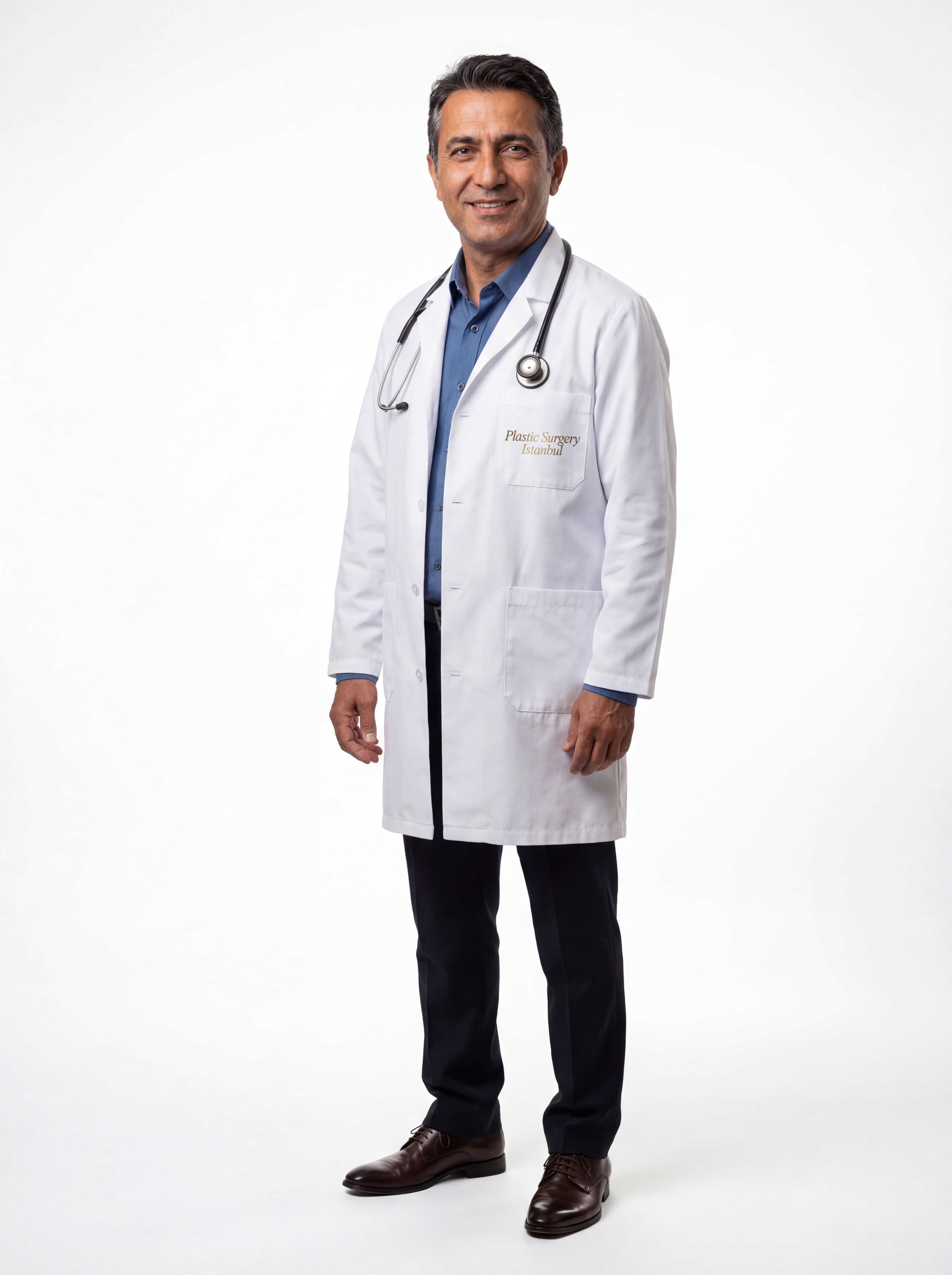
With over 20 years of periorbital and facial surgery expertise, Prof. Dr. Uçar is one of Turkey's most experienced blepharoplasty surgeons — performing every technique from conservative skin excision to complex structural reconstruction.
- ISAPS Member — Global Top 5%
- 20+ Years Periorbital Surgery Expertise
- All Blepharoplasty Techniques Mastered
- Sub-2% Complication Rate
- JCI Hospital Affiliation
Blepharoplasty vs. Non-Surgical Alternatives: Complete Comparison
Blepharoplasty (surgery) provides permanent, dramatic improvement by physically removing excess tissue — ideal for moderate to severe eyelid aging. Non-surgical alternatives (Botox, fillers, laser, plasma pen) offer temporary, milder improvement with less downtime — ideal for early aging or maintenance. Surgery delivers 10–15+ year results; non-surgical options last 6 months to 3 years and require maintenance.
| Factor | Blepharoplasty | Non-Surgical |
|---|---|---|
| Permanence | Permanent — tissue removed doesn't return | Temporary — 6 months to 3 years |
| Degree of Improvement | Dramatic — complete correction possible | Moderate — 15–30% improvement per session |
| Recovery Time | 7–14 days | 0–7 days |
| Anesthesia | Local with sedation | Topical numbing only |
| Scarring | Hidden in crease — nearly invisible | None |
| Fat Removal | Yes — can remove or reposition | No |
| Skin Removal | Yes — excess skin excised | No — tightens existing skin only |
| Best For | Moderate-severe aging, permanent fix | Early aging, prevention, maintenance |
| Cost (Turkey) | $1,500 – $3,500 | $800 – $2,500 |
| Maintenance Required | None for 10–15+ years | Every 6–24 months |
Your Blepharoplasty Journey in Istanbul: Step by Step
Free Online Consultation
Submit photos and describe your concerns through our secure portal. Prof. Dr. Uçar personally reviews every case and provides a detailed assessment within 24 hours — including recommended approach (upper, lower, or combined), expected results, and transparent all-inclusive pricing. No obligation, no hidden fees.
Personalized Surgical Plan
Receive a customized surgical plan specifying the exact techniques to be used, expected outcomes, and preparation instructions. Includes explanation of incision placement, tissue management approach, and realistic recovery timeline for your specific case.
VIP Arrival in Istanbul
Your dedicated VIP coordinator meets you at Istanbul Airport with private transfer to your 5-star hotel in Nişantaşı — Istanbul's most prestigious neighborhood. In-person consultation and examination on arrival day. Pre-operative blood work and assessment at the JCI hospital. Surgery scheduled for the following morning.
Surgery Day
Arrive at the JCI-accredited hospital. Blepharoplasty performed under local anesthesia with IV sedation (45–90 minutes). Post-operative recovery room monitoring for 1–2 hours. Return to your hotel with comprehensive aftercare kit, 24/7 emergency contact, and detailed recovery instructions.
Recovery & Follow-Up
Daily check-ins with your coordinator. Suture removal at day 5–7 by Prof. Dr. Uçar. Enjoy Istanbul's culture during your gentle recovery. Fly home with your refreshed results and lifetime access to our aftercare program including virtual follow-ups at 2 weeks, 1 month, 3 months, and 6 months.
Blepharoplasty FAQ: Your Questions Answered
Blepharoplasty is the medical term for eyelid surgery — a procedure that removes excess skin, fat, and muscle from the upper and/or lower eyelids to create a more youthful, alert appearance. It is performed for cosmetic reasons (rejuvenation) and functional reasons (improving vision obstructed by sagging upper eyelids). Blepharoplasty is one of the top 5 most performed cosmetic surgeries worldwide.
Get Your Free Blepharoplasty Consultation
Submit your details and receive a personalized assessment, technique recommendation, and all-inclusive quote within 24 hours.