Understanding and Minimizing Your SMAS Facelift Scars
Concerned about SMAS facelift scars? We delve into how expert surgeons in Istanbul, like Prof. Dr. Cengiz Volkan Demirtaş, ensure that your facelift scars are as discreet as possible, blending seamlessly into your natural contours. Our clinic focuses on advanced techniques to achieve natural-looking results with minimal visible scarring.
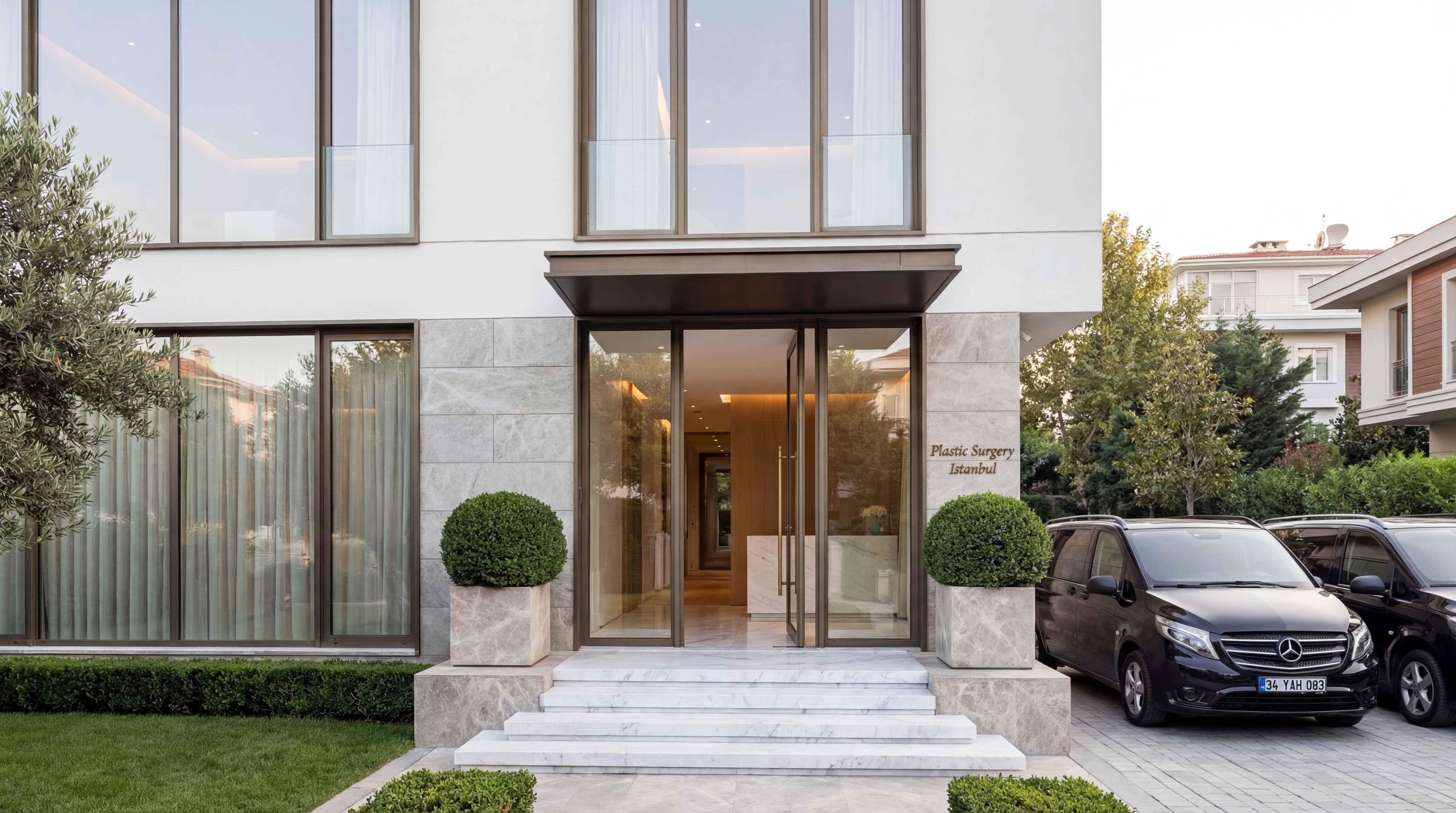
SMAS Facelift Scar Snapshot
Understanding What Your SMAS Facelift Scars Will Look Like
Many patients considering a SMAS facelift in Turkey are naturally concerned about the appearance of SMAS facelift scars. It's crucial to understand that all surgical procedures involve incisions, and therefore, scars. However, modern facelift techniques, particularly the SMAS method, prioritize minimizing their visibility. Our goal is to achieve significant rejuvenation while ensuring any resulting marks are discreet and blend into the natural lines and contours of your face and hairline.
The appearance of facelift scars immediately after surgery differs significantly from their final look. Initially, they may be red, slightly raised, and potentially tender. This is a normal part of the healing process as your body works to repair the tissue. Over time, these scars will mature, becoming softer, flatter, and much lighter. Patience is key during this period, as the full benefits of scar maturation can take up to a year or even longer for some individuals.
Prof. Dr. Cengiz Volkan Demirtaş, with over 25 years of experience, employs highly refined surgical techniques to place incisions strategically. This expertise is a primary factor in ensuring that your facelift scars are not only minimal but also practically unnoticeable once fully healed. He meticulously plans each incision to follow natural skin folds and hair patterns, making them easy to conceal.
Strategic SMAS Facelift Scar Placement for Minimal Visibility
The success of a facelift often hinges on the surgeon's ability to create hidden facelift incision scars. For a SMAS facelift, the incisions are expertly designed to be as inconspicuous as possible. These typically begin within the hairline at the temples, extend downwards in front of the ear, curve around the earlobe, and then continue behind the ear, often ending within the lower scalp hairline. This strategic placement ensures that the scars are largely covered by your hair or align with natural facial creases.
Our approach at Plastic Surgery Istanbul prioritizes the natural integration of facelift scars. By following the contours of your ear and scalp, the incisions become virtually invisible once fully healed and styled appropriately. Patients can confidently wear their hair up without concern, thanks to the meticulous planning and execution of the incision lines. This careful attention to detail is a hallmark of Prof. Demirtaş’s extensive experience and commitment to aesthetic excellence.
Understanding where the incisions will be located helps alleviate concerns about SMAS facelift scarring. During your consultation, Prof. Dr. Demirtaş will walk you through the exact placement specific to your anatomy and desired outcomes. He considers factors like hair growth patterns and skin elasticity to ensure the most optimal and discreet scar lines, minimizing any long-term visibility.
Periauricular Incision: In Front of the Ear
The incision in front of the ear, known as the periauricular incision, is crucial for minimizing facelift scars. It usually starts in the temple hairline, following the natural curve just inside the tragus (the small cartilage in front of the ear canal) or directly in front of it. By carefully placing this line, our surgeon ensures that the scar is camouflaged, becoming almost imperceptible as it heals.
Incorporating the incision within the natural folds of the ear, particularly behind the tragus, is a technique Prof. Dr. Demirtaş frequently employs. This method effectively hides the facelift scar in a natural shadow, making it very difficult to spot even upon close inspection. The precision required for this technique is significant and contributes to the superior cosmetic results seen at our clinic in Istanbul.
Postauricular Incision: Behind the Ear
Behind the ear, the postauricular incision follows the natural crease where the ear meets the head, extending upwards into the hairline of the lower scalp. This is another critical area for hiding SMAS facelift scarring. By placing the incision within the hair-bearing scalp, the hair growth naturally conceals the scar, allowing for greater freedom with hairstyles.
The careful extension into the hairline is key to achieving discreet facelift scars. Prof. Dr. Demirtaş ensures that hair follicles are preserved along the incision line, allowing hair to grow through or over the scar once healed. This meticulous approach further enhances the natural appearance of your results, making the facelift scar blend seamlessly with your existing hair.
Temporal Incision: Blending into the Hairline
The temporal incision, starting in the hairline above the ear, is vital for lifting the upper face and ensuring continuity with the rest of the facelift scars. This incision is carefully planned to avoid altering the natural hairline position excessively, which can be a tell-tale sign of surgery. Prof. Demirtaş’s expertise ensures that this part of the scar is seamlessly integrated.
Proper management of the temporal incision is paramount for achieving a natural-looking result with minimal SMAS facelift scarring. Our surgeon takes great care to ensure that the hairline remains natural and unbroken, contributing to the overall undetectable nature of the facelift. This attention to detail differentiates our results and provides patients with peace of mind.
Navigating Your SMAS Facelift Scar Healing Timeline
Understanding the SMAS facelift scar healing timeline is essential for managing expectations and ensuring optimal results. Immediately after surgery, scars will be visible, red, and possibly swollen. This initial phase involves the body’s inflammatory response, which is crucial for healing. Following your surgeon's specific care instructions during this time is paramount for smooth recovery.
Over the next few weeks and months, your facelift scars will gradually evolve. They will start to flatten, and the intense redness will fade to a pinkish hue. This is the remodeling phase, where collagen fibers reorganize. Protecting scars from sun exposure during this time is vital, as UV radiation can darken scars and make them more prominent, impacting the final aesthetic.
Full scar maturity can take anywhere from 12 to 24 months. By this stage, the SMAS facelift scars should be soft, flat, and light in color, often blending seamlessly with the surrounding skin. Prof. Dr. Demirtaş and his team provide comprehensive guidance on post-operative after SMAS facelift care to encourage the best possible scar outcome during this extended period.
Strategies for Minimizing SMAS Facelift Scars
Achieving minimal SMAS facelift scars is a collaborative effort between the skilled surgeon and the diligent patient. Prof. Dr. Cengiz Volkan Demirtaş employs meticulous surgical techniques, such as proper tension distribution on the deeper SMAS layer, which reduces tension on the skin edges. This foundational step is critical for promoting fine, barely visible scars, rather than wide or raised ones.
Patient adherence to post-operative instructions plays a crucial role in facelift scar healing. This includes careful wound care, avoiding strenuous activities, and protecting the incision sites from sun exposure. We provide detailed guidelines to each patient undergoing a SMAS facelift in Istanbul, ensuring they are well-equipped to support their healing process.
Incorporating advanced scar management protocols after surgery further aids in minimizing facelift scars. This often includes the use of silicone sheets or gels once the incisions have closed, which are proven to improve scar appearance by keeping the area hydrated and reducing collagen overgrowth. Our team advises on the best products and techniques tailored to your individual healing.
Prof. Demirtaş's Meticulous Technique for Scar Reduction
Prof. Dr. Cengiz Volkan Demirtaş's 25+ years of experience performing over 7200 facelifts makes him exceptionally skilled in minimizing SMAS facelift scars. He focuses on a deep-plane approach that primarily repositions the underlying muscular structure (SMAS), taking tension off the skin. This allows for suturing the skin edges without undue stress, which is paramount for creating very fine, unnoticeable scars.
His technique involves multi-layered closures, carefully aligning tissue planes from deep within to the superficial skin. This precision minimizes the risk of uneven healing or widening of the facelift incision scars. The meticulous attention to detail at every step of the SMAS facelift technique explained ensures optimal healing and the most discreet possible scar lines, reflecting his commitment to surgical excellence.
Prof. Demirtaş also employs fine sutures and an artistic eye to ensure that the final SMAS facelift scars are placed within natural shadow lines and hair-bearing areas. This strategic planning and execution are fundamental to why his patients achieve such natural-looking, scar-minimized results, enhancing their overall satisfaction with their SMAS facelift before and after transformation.
Post-Operative Scar Care Protocols
Effective after SMAS facelift care is critical for achieving optimal facelift scar healing. Our comprehensive post-operative instructions cover everything from gentle cleansing to protective measures. Patients are advised to keep the incision sites clean and dry, avoiding any scrubbing or harsh chemicals that could irritate the delicate healing skin.
Hydration and moisturization are key components of scar care. Once incisions are fully closed, applying specialized scar-reducing creams, gels, or silicone sheets can significantly improve the appearance of SMAS facelift scars. These products help to soften and flatten the scar tissue, reducing redness and itchiness. Our team will recommend suitable products and demonstrate proper application techniques.
Sun protection is non-negotiable for new facelift scars. UV exposure can cause hyperpigmentation, making scars darker and more noticeable. Patients are strongly advised to use a high-SPF sunscreen (at least SPF 30) on their scars, even on cloudy days, and to wear hats or scarves when outdoors. Consistent protection for at least 12 months is vital for the best long-term outcome.
Factors Influencing Facelift Scar Healing
Several individual factors significantly influence how well SMAS facelift scars heal. Genetics play a substantial role; some individuals are naturally predisposed to better or worse scar healing. Skin type, ethnicity, and age also contribute, with younger skin often healing more robustly but potentially forming more noticeable initial scars due to increased collagen production.
Patient health and lifestyle choices are paramount. Smokers, for example, often experience impaired wound healing due due to reduced blood flow and oxygen supply, which can negatively impact facelift scar healing. Maintaining a healthy diet rich in vitamins and protein, getting adequate rest, and avoiding alcohol can all support a more efficient and aesthetically pleasing healing process.
Choosing an experienced plastic surgeon like Prof. Dr. Demirtaş, who understands the nuances of various skin types and healing patterns, is arguably the most crucial factor. His expertise in tension-free closures and precise incision placement minimizes potential complications and optimizes the conditions for excellent SMAS facelift scars, leaving patients delighted with their SMAS facelift recovery time.
SMAS Facelift Scars vs. Transformative Results: A Worthwhile Trade-off
For many patients, the concern about SMAS facelift scars is balanced by the desire for significant facial rejuvenation. It’s important to view scars not as a flaw, but as a testament to a transformative journey. The subtle and expertly placed scars from a SMAS facelift are a small trade-off for the dramatic improvements in facial contour, reduction of deep wrinkles, and restored youthful volume.
The question of is SMAS facelift worth it often comes down to this balance. While facelift scars are an unavoidable part of any surgical procedure, the visibility and prominence of these scars are directly correlated with the surgeon's skill. Prof. Dr. Demirtaş’s expertise ensures that the aesthetic benefits overwhelmingly outweigh the minimal and discreet scarring, leading to high patient satisfaction and renewed confidence.
Patients achieve a natural, refreshed appearance that far surpasses the capabilities of non-surgical alternatives. The deep-tissue lift offered by a SMAS facelift provides longevity and a profound change that is simply not possible without strategically placed incisions. The long-term investment in your appearance, even with the presence of minimal facelift scars, is consistently reported as highly valuable by our patients.
The Istanbul Advantage: Advanced Scar Management at Affordable Prices
Choosing Istanbul for your SMAS facelift offers a unique advantage beyond significant cost savings – access to world-class medical expertise that prioritizes advanced scar management. Our JCI-accredited facility upholds international standards, ensuring that scar care protocols, from surgical technique to post-operative recommendations, are aligned with the highest global benchmarks. This means patients receive top-tier care for their facelift scars.
At a cost that is 60-75% less than in the US (ranging from $4,000-$8,000 in Istanbul compared to $15,000-$30,000 in the US), you benefit from comprehensive pre- and post-operative support, including detailed guidance on minimizing SMAS facelift scarring. This includes access to state-of-the-art scar treatment options and continuous follow-up, ensuring the best possible aesthetic outcome without the prohibitive costs often found elsewhere.
Plastic Surgery Istanbul provides not just a surgery, but a complete care package. Our VIP concierge service ensures that your entire experience, including diligent attention to facelift scar healing, is seamless and stress-free. From initial consultation to long-term scar care advice, you receive unparalleled support, making your journey towards a rejuvenated appearance both affordable and exceptional.
Who is a Good Candidate for SMAS Facelift with Scar Concerns?
Individuals who are generally healthy, non-smokers, and have realistic expectations about SMAS facelift scars are ideal candidates. While scars are inevitable, patients who understand the process and commit to post-operative care tend to achieve the best results. A good candidate prioritizes long-lasting, natural rejuvenation and is comfortable with the concept of discreetly placed facelift incision scars.
Those with moderate to significant sagging in the mid-face and neck area, along with good skin elasticity, are often excellent candidates for a SMAS facelift. This technique effectively addresses deeper tissue laxity, which contributes to more dramatic and lasting results, making the minimal facelift scars a worthwhile trade-off for such comprehensive rejuvenation. What is SMAS facelift provides more detail.
Prof. Dr. Cengiz Volkan Demirtaş will conduct a thorough consultation to assess your candidacy, discuss your aesthetic goals, and address any concerns regarding SMAS facelift scarring. He will evaluate your skin quality, facial structure, and overall health to determine if a SMAS facelift is the most suitable procedure to achieve your desired outcome with the most favorable scar profile.
SMAS Facelift Scar Healing Timeline
Weeks 1-2: Initial Healing
Weeks 3-6: Early Maturation
Months 2-6: Significant Improvement
Months 6-12: Advanced Maturation
Months 12-24: Full Maturity
SMAS Facelift Scar Management: Istanbul vs. USA
Related SMAS Facelift Resources
SMAS Facelift Cost in Turkey
Explore the significant cost advantages of undergoing a SMAS facelift in Istanbul.
SMAS Facelift Recovery Timeline
Understand the day-by-day healing process and what to expect after your surgery.
SMAS Facelift Risks
Learn about potential risks and how our clinic prioritizes your safety and optimal outcomes.
Meet Prof. Dr. Cengiz Volkan Demirtaş
Discover the extensive experience and expertise of our lead surgeon.
SMAS Facelift vs. Deep Plane
Compare different facelift techniques to understand which is best for your needs and scar profile.
SMAS Facelift Before and After
View real patient results showcasing the transformative power of SMAS facelifts.
Frequently Asked Questions About SMAS Facelift Scars
Ready for a Rejuvenated Look with Discreet Scars?
Don't let concerns about **SMAS facelift scars** hold you back from achieving the youthful appearance you desire. With Prof. Dr. Cengiz Volkan Demirtaş's expertise in Istanbul, you can achieve stunning, natural results with virtually undetectable **facelift scarring**. Contact us today for a free, confidential consultation and discover your path to renewed confidence.