Deep Plane Facelift Recovery Time
Understanding your deep plane facelift recovery timeline removes uncertainty and lets you plan with confidence. This comprehensive week-by-week guide — based on 7,200+ facial operations — covers every stage from surgery day to final results, so you know exactly what to expect.

Deep Plane Facelift Recovery — Quick Reference
What Is the Recovery Time for a Deep Plane Facelift?
Deep plane facelift recovery time is typically 2–3 weeks for social activities and 4–6 weeks for full physical activity. Most patients are presentable with makeup at 10–14 days. The procedure requires one overnight hospital stay, with sutures removed at days 7–10. Final results emerge at 6–12 months as deep tissue settling completes.
Deep plane facelift recovery time is one of the most common concerns among patients considering this transformative procedure — and understandably so. Knowing exactly what to expect at each stage of healing allows you to plan your schedule, arrange time off work, and set realistic expectations for your appearance during recovery. The good news: deep plane facelift recovery is more manageable than most patients anticipate.
At Plastic Surgery Istanbul, Prof. Dr. Cengiz Volkan Demirtaş has refined his recovery protocol across 7,200+ facial operations. His approach combines surgical precision (which minimizes tissue trauma) with a comprehensive VIP aftercare program that actively accelerates healing. International patients from the United States benefit from a structured recovery plan that ensures they're safe, comfortable, and confident before flying home.
While every patient's healing is unique, the recovery timeline follows a predictable pattern that we've documented extensively. This guide provides a detailed week-by-week breakdown based on real clinical data — not generic estimates — so you can plan your deep plane facelift recovery with confidence.
Deep Plane Facelift Recovery: Complete Day-by-Day Timeline
Day 0: Surgery Day — What Happens in the Operating Room
Your deep plane facelift is performed under general anesthesia in a fully equipped operating theater at a JCI-accredited hospital in Istanbul. The procedure typically takes 4–6 hours, during which Prof. Dr. Demirtaş works beneath the SMAS layer to release retaining ligaments and reposition the composite facial tissue unit vertically. The skin is then redraped without tension — a critical detail that accelerates healing and minimizes scarring.
After surgery, a compression garment is applied to support the repositioned tissues and minimize swelling. You're transferred to a private recovery suite with dedicated nursing staff. Prof. Demirtaş personally checks on you before your overnight stay begins. Pain levels are typically moderate and well-controlled with prescribed oral medication — most patients describe the discomfort as a 3–4 out of 10.
Days 1–2: Hospital Discharge & Early Recovery
You're discharged from the hospital on day 1 after Prof. Demirtaş's morning examination confirms everything is healing properly. Your VIP patient coordinator transfers you to your 5-star hotel, where your recovery continues in comfort. You'll have a clinic visit on day 2 for wound check and compression garment adjustment.
During these first 48 hours, expect moderate swelling and bruising — this is completely normal and actually indicates healthy healing. The compression garment is worn continuously (except during clinic visits) to control swelling and support the repositioned tissues. Ice application per protocol helps minimize swelling. Walking short distances is encouraged to promote circulation, but rest is the priority.
Days 3–5: Peak Swelling Phase
Days 3–5 represent the peak of swelling and bruising — this is the point where you'll look the most different from your final result. The swelling is diffuse across the face and neck, and bruising (typically purple-blue) may extend from the ears down to the neck. This can be alarming if you're not prepared for it, but it's a completely expected part of the deep plane facelift recovery process.
Daily clinic visits during this phase allow Prof. Demirtaş's team to monitor your healing, adjust the compression garment, and address any concerns. By day 5, you'll notice the swelling beginning to subside — the worst is behind you. Many patients report that the psychological turning point comes around day 4–5, when they can see the improvement starting to emerge beneath the swelling.
Days 7–10: Suture Removal & Turning Point
Suture removal at days 7–10 is a major milestone in deep plane facelift recovery. The incisions — strategically placed along the hairline, around the ear, and behind the earlobe — are closed with fine sutures that are removed painlessly in the clinic. Once sutures are out, the incision lines begin fading rapidly. Most patients are pleasantly surprised at how discreet the incisions look even at this early stage.
By day 7–10, approximately 60–70% of bruising has resolved and swelling has decreased significantly. You're starting to look recognizably refreshed rather than surgically altered. This is the earliest point at which international patients can safely fly home — Prof. Demirtaş provides clearance based on your individual healing. Most US patients plan a 10-day Istanbul stay to reach this milestone before traveling.
Weeks 2–3: Social Recovery
The two-to-three-week mark is when most patients feel comfortable returning to social activities and desk-based work. Residual bruising can be concealed with mineral makeup (approved by day 10–14), and remaining swelling is subtle enough that only you and your surgeon would notice it. Friends and family will see a refreshed, rested appearance — not obvious signs of surgery.
During weeks 2–3, the deep plane tissue repositioning begins settling into its new position. You may notice slight asymmetry in swelling between the two sides of your face — this is normal and resolves over the following weeks. Gentle facial massage (as instructed by the clinic) can help accelerate the resolution of residual swelling. Light walking and daily activities are encouraged, but avoid bending, lifting, and strenuous activity.
Weeks 4–6: Full Activity Resumes
By week 4–6, you're cleared for progressive return to exercise — starting with cardio (walking, cycling, elliptical) and building to resistance training by week 6. The tissues have healed sufficiently to withstand increased blood pressure and physical stress. Most patients feel fully recovered in their daily life by this point, with energy levels returned to normal.
Your appearance at 4–6 weeks is approximately 75–80% of the final result. The jawline is defined, the midface is lifted, and the neck is smooth — but subtle residual swelling (especially in the morning) continues resolving. The deep plane technique's zero-tension skin closure means scars are already fading well, with most incision lines blending into the natural skin creases around the ear.
Months 3–6: Progressive Refinement
The 3–6 month window is when deep plane facelift results undergo their most dramatic refinement. The deep tissue repositioning — which sets this technique apart from traditional facelifts — continues settling, producing increasingly natural contours. Patients often notice improvements they didn't expect: better cheek projection, further nasolabial fold softening, and enhanced neck definition as the deep tissues fully integrate into their new position.
Remote follow-up with Prof. Demirtaş at months 3 and 6 (via video call with clinical photos) tracks your progress and ensures optimal healing. By month 6, results are approximately 90–95% finalized. The remaining 5–10% of subtle refinement continues through month 12. This extended improvement timeline is unique to the deep plane technique — traditional facelift results are fully stabilized by month 2–3.
Months 6–12: Final Results & Long-Term Enjoyment
Your final deep plane facelift results are fully realized between months 6 and 12. At this point, the deep tissue repositioning is completely settled, all swelling is resolved, and the facial contours reflect the final, stable outcome. Scars have faded to fine white lines that are virtually invisible — especially in the areas around and behind the ear where incisions are placed.
These results last 10–15 years — roughly two to three times longer than traditional facelift results. Because the deep structures were repositioned to their anatomically correct position (rather than skin being pulled tighter), subsequent aging occurs from a more youthful baseline. Even at year 10–15, most patients still look significantly younger than they would have without surgery. A final remote follow-up at 12 months documents your complete transformation.
Expert Recovery Tips: How to Optimize Your Deep Plane Facelift Healing
Sleep Position and Head Elevation
Sleeping with your head elevated at 30–45 degrees for the first 2–3 weeks significantly reduces swelling and accelerates recovery. Use a wedge pillow or stack multiple pillows to maintain this position. Sleep on your back — avoid sleeping on your side to prevent pressure on the surgical sites. Many patients find a recliner comfortable during the first week.
Head elevation is one of the simplest yet most impactful recovery optimizations. Gravity naturally assists fluid drainage when the head is elevated, reducing morning puffiness and allowing the tissues to settle more evenly. Patients who consistently maintain elevation during sleep typically experience 20–30% less swelling than those who sleep flat.
Nutrition and Hydration for Healing
Your body needs optimal nutrition to heal efficiently after a deep plane facelift. Focus on protein-rich foods (lean meats, fish, eggs, legumes) to support tissue repair, and increase vitamin C intake (citrus fruits, bell peppers) for collagen synthesis. Avoid sodium-heavy foods that promote fluid retention and exacerbate swelling. Stay well-hydrated with water — at least 2 liters daily.
Avoid alcohol for at least 2 weeks post-surgery — alcohol dilates blood vessels, increases swelling, and slows healing. Similarly, avoid blood-thinning supplements (vitamin E, fish oil, ginkgo biloba) for the same period. Prof. Demirtaş provides a detailed nutrition guide as part of your VIP recovery protocol, tailored to the specific demands of deep plane facelift healing.
Activity Restrictions and Return to Exercise
Follow this progressive activity timeline for optimal deep plane facelift recovery: Week 1–2: gentle walking only, no bending below the waist, no lifting over 5 lbs. Week 3–4: light walking, gentle stretching, return to desk work. Week 4–6: progressive cardio (walking, cycling, elliptical). Week 6+: resistance training, yoga, swimming. Full contact sports: 3 months.
The rationale behind these restrictions is straightforward: elevated blood pressure and physical strain can increase swelling, promote bruising, and in rare cases cause bleeding complications. The deep plane technique repositions tissues that need time to adhere in their new position — premature physical stress can compromise this healing. Patience during the first 6 weeks pays dividends in the quality and longevity of your result.
The Plastic Surgery Istanbul VIP Recovery Experience
Plastic Surgery Istanbul's VIP recovery program includes overnight JCI hospital monitoring, daily post-op clinic visits, 5-star hotel accommodation, 24/7 patient coordinator access, luxury vehicle transfers, and a 12-month remote follow-up protocol — all included in the all-inclusive package price of $5,000–$10,000.
Recovery after a deep plane facelift is dramatically influenced by the quality of aftercare — and this is where Plastic Surgery Istanbul's VIP experience makes a tangible difference. Every aspect of your recovery has been designed to minimize stress, maximize comfort, and optimize healing outcomes. Your all-inclusive package covers everything from hospital discharge to your 12-month final follow-up.
Your dedicated patient coordinator — available 24/7 via WhatsApp — manages every logistical detail: clinic appointment scheduling, hotel room service coordination, pharmacy needs, and any concern you have at any hour. Daily clinic visits during your Istanbul stay (typically days 1–10) ensure Prof. Demirtaş's team monitors your healing progression and addresses any issue immediately. Luxury vehicle transfers between hotel and clinic eliminate the stress of navigating a foreign city during recovery.
After returning to the US, your care continues with scheduled remote follow-ups at 1, 3, 6, and 12 months. You submit clinical photos via a secure portal, and Prof. Demirtaş reviews them personally — providing guidance, reassurance, and any necessary recommendations. This 12-month aftercare commitment is included in your package at no additional cost — because optimal recovery isn't a luxury, it's part of the treatment.
Deep Plane vs Traditional Facelift Recovery: Is There a Difference?
Deep plane and traditional facelift recovery timelines are surprisingly similar. Both show peak swelling at days 3–5 and social recovery at 2–3 weeks. Deep plane may have slightly more initial swelling due to deeper tissue work, but the practical difference is only 2–3 extra days. The deep plane technique's zero-tension skin closure often results in better scar healing.
One of the most common misconceptions about the deep plane technique is that recovery is significantly longer or more difficult than a traditional facelift. In reality, the practical difference is minimal — typically 2–3 extra days of more pronounced swelling. The deep plane technique involves more extensive tissue work, but because the skin is closed without tension, scar healing is often superior and the overall recovery experience is comparable.
The key difference isn't in recovery — it's in what you're recovering from and what you're recovering to. A traditional facelift has a slightly faster initial recovery but produces results lasting only 3–7 years. A deep plane facelift adds a few days of swelling but delivers results lasting 10–15 years — with the added benefit of continued improvement through months 6–12 as deep tissues settle. Most patients view the marginal recovery difference as an insignificant trade-off for dramatically superior and longer-lasting results.
Recovery Planning for US Patients: When Can You Fly Home?
Recommended Istanbul Stay: 10 Days
For US patients, we recommend a minimum 10-day stay in Istanbul for deep plane facelift recovery. This allows for: day 1 arrival and pre-op preparation, day 2 surgery, days 3–9 initial recovery with daily clinic visits, and day 10 suture removal and flight clearance. Most patients feel comfortable and confident flying home at this point, with bruising largely resolved and swelling significantly reduced.
Some patients prefer a 14-day stay for additional recovery time and peace of mind — particularly those who want to be fully comfortable with their appearance before flying. Both options work well, and Prof. Demirtaş provides individual clearance based on your specific healing progression. Your patient coordinator can adjust hotel arrangements at any time based on how you're feeling.
Flying After a Deep Plane Facelift: Safety Guidelines
Flying is safe after suture removal (day 7–10) provided your healing is on track — confirmed by Prof. Demirtaş during your clearance visit. During the flight, drink plenty of water to combat cabin dehydration, avoid alcohol, walk the aisle every 1–2 hours to promote circulation, and wear your compression garment if instructed. The cabin pressure change at altitude does not affect your facelift results.
For the return flight to the US (typically 10–12 hours from Istanbul), consider booking a business or first-class seat for additional comfort and the ability to recline. Your face may still have residual swelling and mild bruising at this stage — a hat, sunglasses, and a scarf provide comfortable and stylish coverage. Most patients report that the journey home is far more comfortable than they anticipated.
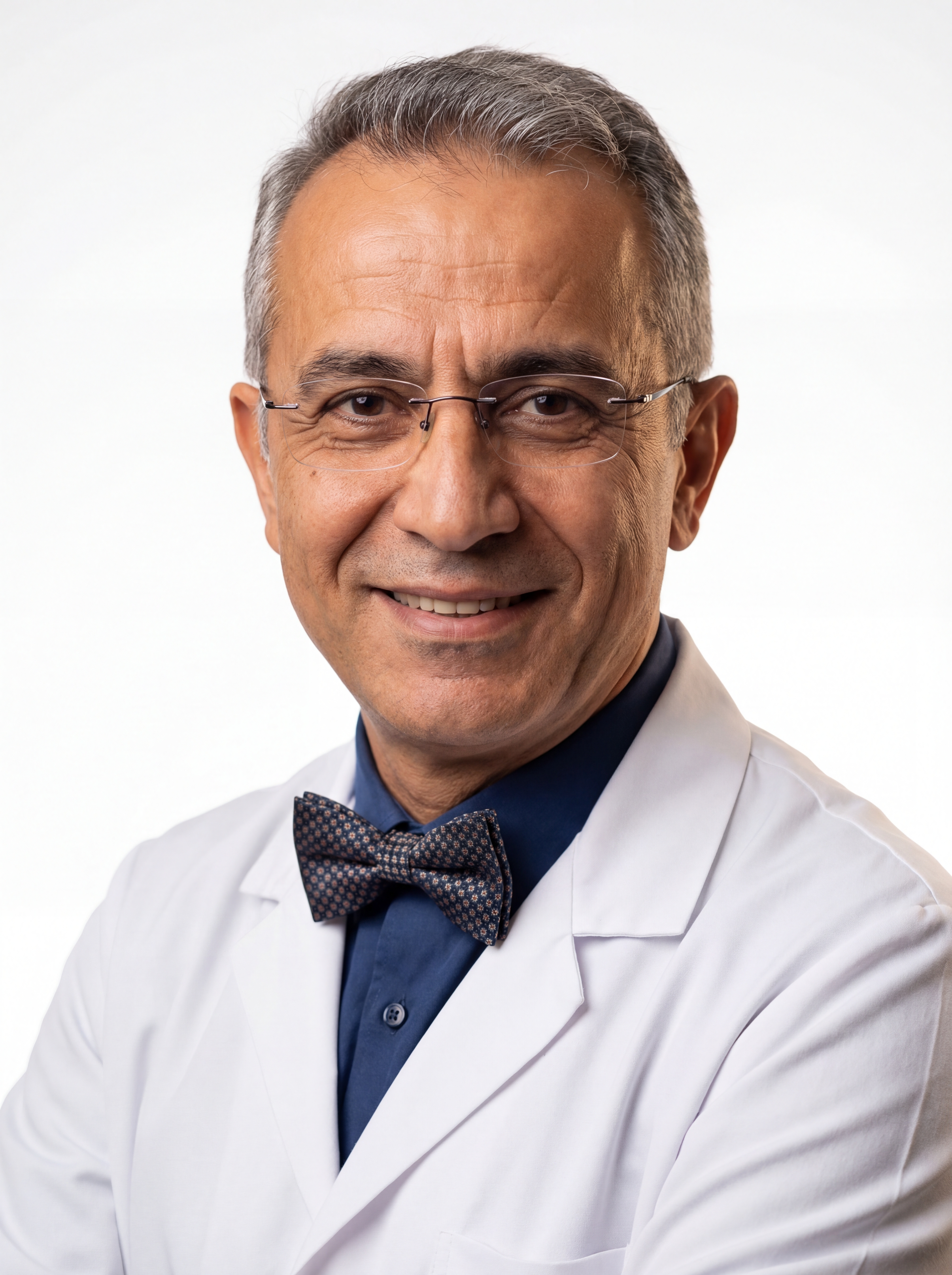
Your Surgeon: Prof. Dr. Cengiz Volkan Demirtaş — Recovery Protocol Expert
Your recovery is guided by the same surgeon who performed your operation — Prof. Dr. Cengiz Volkan Demirtaş personally oversees every stage of healing across 7,200+ facial operations.
Prof. Dr. Cengiz Volkan Demirtaş's recovery protocol is the product of 7,200+ facial operations and continuous refinement. His Manhattan fellowship training — where he learned from America's most meticulous facial surgeons — established his foundational approach to aftercare: that recovery is not separate from surgery but an integral part of the outcome. A beautifully performed operation can be compromised by inadequate aftercare; conversely, optimal recovery amplifies surgical results.
Every aspect of the Plastic Surgery Istanbul recovery experience reflects this philosophy. Prof. Demirtaş designed the daily post-operative visit protocol, the compression garment schedule, the activity restriction timeline, and the nutritional guidance based on his own clinical outcome data. International patients benefit from a recovery system refined across thousands of similar cases — not generic post-operative instructions, but a proven protocol that maximizes results.
Prof. Demirtaş personally examines every patient during recovery — there are no 'resident follow-ups' or 'nurse-only visits.' Your surgeon is directly involved in monitoring your healing, adjusting your care plan, and making any decisions about activity clearance or flight readiness. This continuity of care — from consultation to surgery to final follow-up — is what produces the consistent, predictable recovery outcomes you see in our patient testimonials.
All-Inclusive Deep Plane Facelift: Recovery Care Included
At Plastic Surgery Istanbul, your entire deep plane facelift recovery is included in the all-inclusive package price of $5,000–$10,000 USD — covering surgery, hospital stay, 5-star hotel, VIP transfers, daily clinic visits, medications, compression garments, and 12-month follow-up. In the US, surgery alone costs $25,000–$50,000 with aftercare billed separately.
Recovery Care: Istanbul vs. United States
In the United States, deep plane facelift aftercare is typically billed separately from the surgical fee — with individual follow-up visits costing $200–$500 each, compression garments $50–$150, and prescription medications $200–$500. These costs add up quickly, and many patients are surprised by the total aftercare expense on top of the surgical fee.
At Plastic Surgery Istanbul, everything is included. Your all-inclusive price of $5,000–$10,000 covers the complete recovery experience: hospital stay, daily clinic visits, medications, garments, hotel, transfers, and 12-month follow-up. There are no hidden costs and no additional charges. For US patients, even including round-trip flights ($600–$1,200), the total investment is typically less than the surgery-only price at a US clinic — with a VIP recovery experience that American patients consistently describe as 'beyond anything available at home.'
Recovery Safety: Complications, Warning Signs & When to Call
While deep plane facelift recovery is overwhelmingly smooth and predictable, patients should be aware of potential complications and know when to contact the clinic. The most common post-operative issues — bruising, swelling, temporary tightness, and mild numbness — are expected effects that resolve on their own. They are not complications but normal parts of the healing process.
True complications requiring medical attention include: hematoma (blood collection beneath the skin) — signaled by sudden swelling, pain, or pressure on one side — occurs in approximately 2–3% of cases and is managed with a straightforward return to the operating room. Infection — signaled by increasing redness, warmth, fever, or unusual discharge — occurs in less than 1% of cases in JCI-accredited facilities and is treated with targeted antibiotics. Facial nerve weakness — signaled by difficulty moving one side of the face — occurs in less than 0.5% of cases, is almost always temporary, and resolves within weeks to months.
At Plastic Surgery Istanbul, your 24/7 patient coordinator is the immediate point of contact for any concern during recovery. For the first 10 days, daily clinic visits ensure that any issue is identified and addressed before it becomes a problem. After returning home, the secure photo portal and scheduled remote follow-ups maintain this safety net across 12 months. Prof. Demirtaş's personal involvement in every stage of recovery ensures that no concern goes unaddressed.
Patient Recovery Experiences: Real Stories from Real Patients
"I was nervous about recovering in a foreign country, but the VIP experience at Plastic Surgery Istanbul made it seamless. Daily clinic visits, a dedicated coordinator available 24/7, and a beautiful hotel room — I honestly recovered more comfortably in Istanbul than I would have at home. By day 10, I flew back to Chicago feeling confident."
"The recovery was easier than I expected. Days 3–5 were the toughest with swelling, but by week 2 I was having coffee at cafés near my hotel. Prof. Demirtaş checked on me personally every day. At 6 months now, my results keep getting better — the deep plane technique is truly different. People think I just look incredibly well-rested."
"As a surgeon myself, I appreciated the meticulous aftercare protocol. Daily examinations, evidence-based recovery guidance, and genuine personal attention from Prof. Demirtaş. My recovery at 3 weeks was ahead of what I'd expect for a case of this complexity. The all-inclusive model eliminates the nickel-and-diming that's unfortunately common in US practice."
Frequently Asked Questions: Deep Plane Facelift Recovery
Total deep plane facelift recovery time is 2–3 weeks for social activities and 4–6 weeks for full physical activity. Final results emerge at 6–12 months. Most patients return to desk work at 2 weeks and feel fully recovered in daily life by 4–6 weeks.
Ready to Plan Your Deep Plane Facelift Recovery? Start Your Free Consultation
Now that you understand the complete deep plane facelift recovery timeline, the next step is a personalized consultation with Prof. Dr. Cengiz Volkan Demirtaş. He'll assess your facial anatomy, discuss your specific recovery expectations, and create a treatment plan tailored to your goals and schedule.
Explore More Deep Plane Facelift Resources
Facial Surgery
Related Procedures
Explore other facial surgery options available at our Istanbul clinic.